

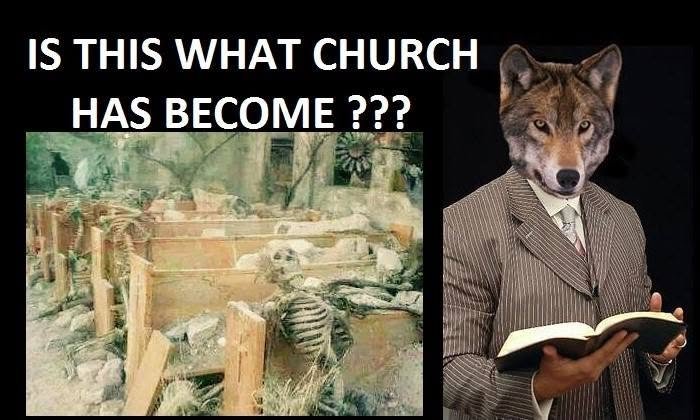
A CHURCH OR A TOMB? By: Major Frank Materu
KEY SCRIPTURE
“But the hour cometh, and now is, when the true worshippers shall worship the Father in spirit and in truth: for the Father seeketh such to worship him.” — John 4:23 (KJV)
INTRODUCTION: WHEN RELIGION LOSES ITS LIFE
The existence of a church building does not necessarily mean that true worship is taking place within it. A congregation may gather regularly, conduct religious programmes, sing songs, collect offerings, and discuss everyday concerns while neglecting the very God they claim to worship. The building may remain impressive, the congregation may appear active, and the leaders may receive public recognition, yet the essential question remains: Is the living God being honoured through truth, obedience, holiness, and sincere fellowship?
The title “A Church or a Tomb?” challenges believers to examine the difference between outward religion and genuine spiritual life. A tomb may retain its structure long after life has departed. Similarly, religious institutions can preserve their outward appearance while neglecting the truth, repentance, and obedience that should characterize God's people. This warning is not a declaration that every church is spiritually dead. It is a call to examine whether our worship is centred on God or has become an empty routine built around human interests.
Jesus declared that the Father seeks true worshippers who worship Him in spirit and truth. This means that genuine worship involves the heart, the mind, the will, and the conduct of the worshipper. It cannot be reduced to attending meetings or repeating religious expressions. True worship requires a sincere relationship with God that is demonstrated through obedience to His Word and a life increasingly transformed by His character.
God's purpose is not merely to expose lifeless religion. He calls people to return to Him, receive His life, and walk in His truth. Even in a generation marked by rebellion, He can preserve a faithful remnant, restore those who have wandered, and strengthen those who seek Him sincerely. This lesson therefore presents both a warning against empty religion and an invitation to experience genuine fellowship with the living God.
________________________________________
TRUE WORSHIP IS MORE THAN RELIGIOUS ACTIVITY
“God is a Spirit: and they that worship him must worship him in spirit and in truth.” — John 4:24
True worship begins with a heart surrendered to God. It is possible to participate in religious activities without allowing God's Word to govern one's life. People may speak about money, businesses, family matters, children, and personal difficulties during their gatherings. These subjects are not inherently wrong; believers should care for one another and pray about practical needs. The danger arises when personal interests occupy the centre while God's truth, holiness, and purposes are neglected.
A living church directs people towards God. It teaches Scripture faithfully, calls people to repentance, encourages righteousness, and helps believers grow in their relationship with Jesus Christ. Its purpose is not merely to entertain, impress, or satisfy human desires, but to equip people to live according to God's will.
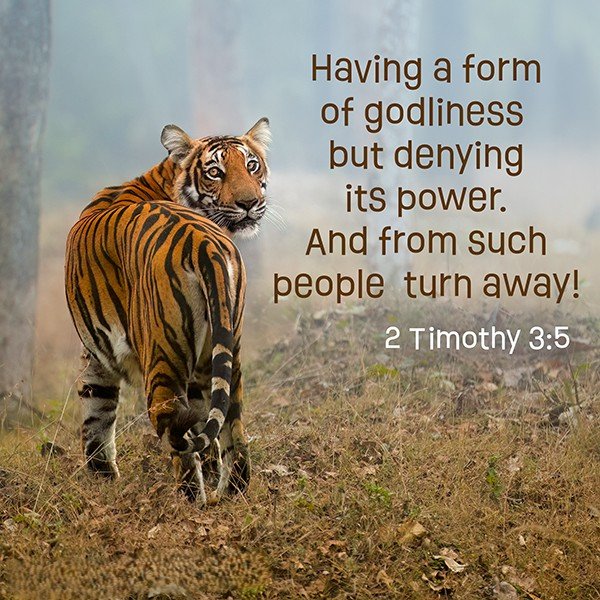
“Having a form of godliness, but denying the power thereof: from such turn away.” — 2 Timothy 3:5
Outward religion becomes dangerous when it conceals inward rebellion. A person may possess religious knowledge and maintain a respectable appearance while refusing correction or continuing in deliberate disobedience. Therefore, spiritual life must be evaluated by more than appearances. The question is whether the truth is changing hearts, shaping conduct, and producing the fruit of genuine faith.
Believers should not judge spiritual vitality by the size of a congregation, the beauty of a building, or the popularity of a preacher. A small gathering can be faithful, while a large institution can struggle spiritually. What matters is whether Christ is honoured, Scripture is obeyed, and the people are being formed into faithful disciples.
________________________________________
GOD CONDEMNS SHEPHERDS WHO EXPLOIT HIS PEOPLE
“Woe be unto the pastors that destroy and scatter the sheep of my pasture! saith the LORD.” — Jeremiah 23:1
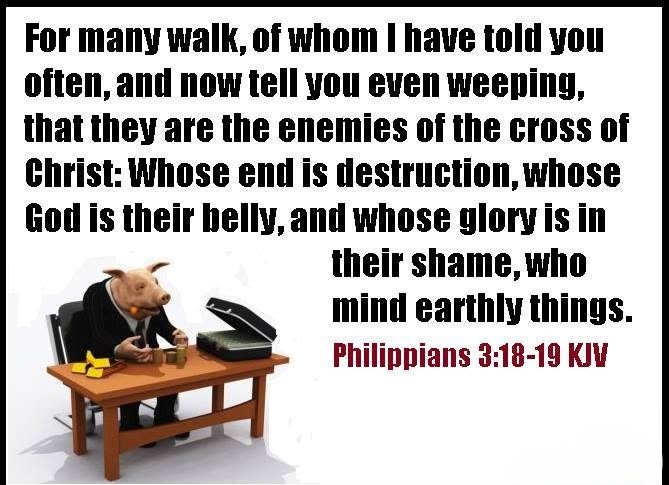
God holds spiritual leaders accountable for how they care for His people. The flock belongs to Him, not to the individuals entrusted with its care. Leaders are called to teach truth, nurture spiritual maturity, protect the vulnerable, and guide people towards the Lord. They are not authorised to manipulate believers for personal wealth, status, power, or recognition.
Jeremiah 23:1–4 condemns shepherds who scattered God's people and failed to care for them. Yet the passage also reveals God's compassion: He promises to gather the scattered remnant and provide faithful shepherds who will feed the flock properly. His response demonstrates that He sees both the suffering of His people and the responsibility of those who lead them.
“And I will set up shepherds over them which shall feed them: and they shall fear no more, nor be dismayed, neither shall they be lacking, saith the LORD.” — Jeremiah 23:4
Spiritual exploitation can occur when leaders use fear to control people, make dishonest promises, misuse offerings, discourage accountability, or place their personal authority above Scripture. Such behaviour damages trust and distorts the purpose of ministry. A faithful shepherd must demonstrate integrity, humility, compassion, and accountability before God.
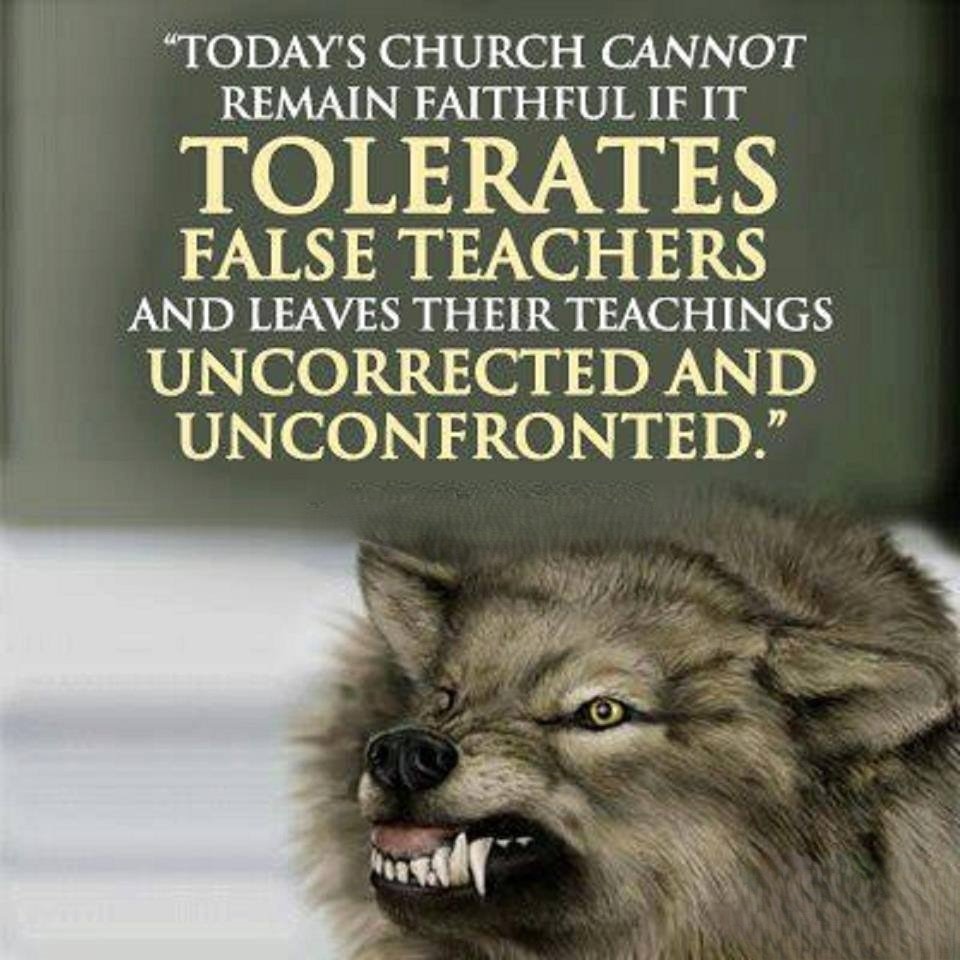
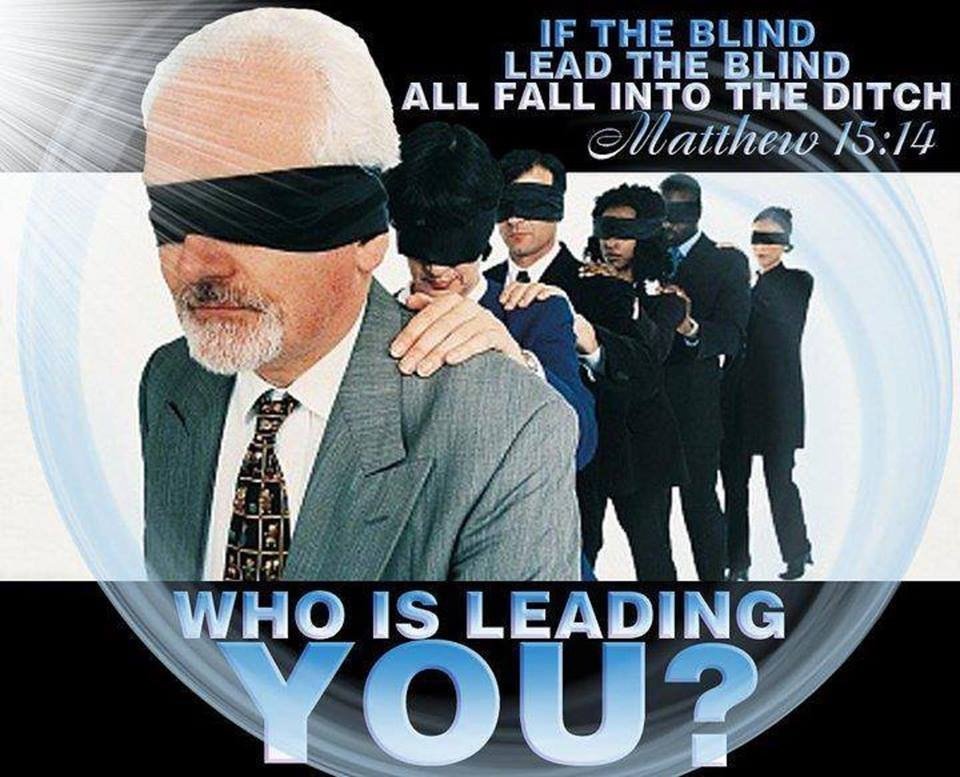
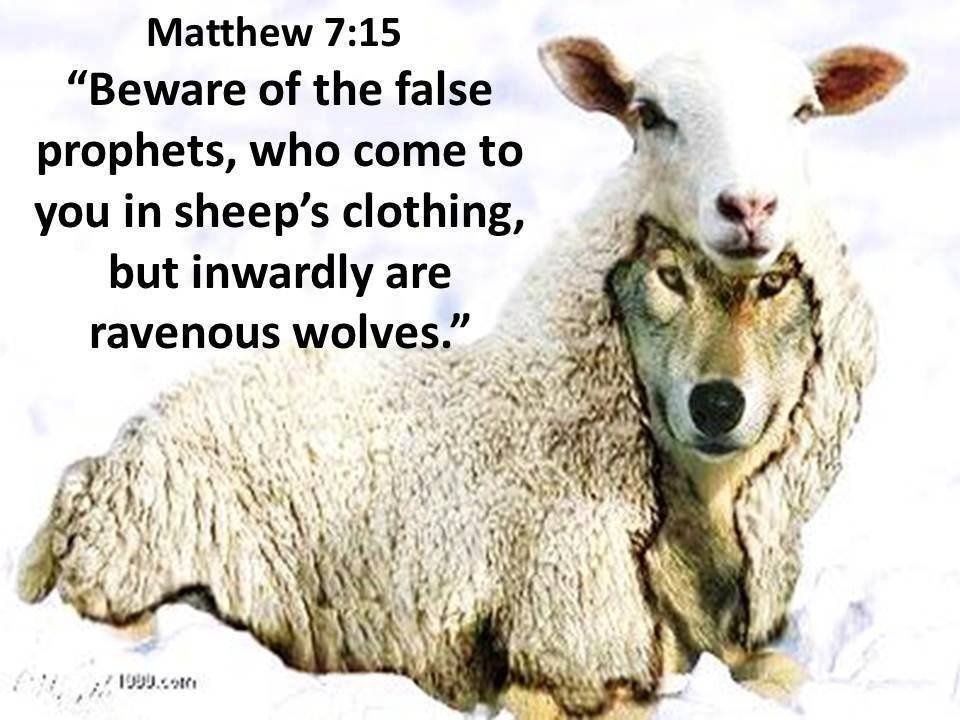
Believers must also exercise discernment. Not every person who claims spiritual authority faithfully represents the Lord. Teaching and conduct must be examined in the light of Scripture. The proper response to abusive or deceptive leadership is not to abandon God, but to seek truth, uphold righteousness, and remain committed to Christ.
________________________________________
GOD WILL PRESERVE A FAITHFUL REMNANT
Even when many people turn away from God, He remains able to preserve those who sincerely follow Him. A rebellious generation does not mean that everyone has abandoned the truth. God continues to call people to righteousness and can raise faithful witnesses whose lives demonstrate His character.
The remnant must not become proud or imagine that faithfulness makes them superior to others. Their responsibility is to remain humble, obedient, grateful, and steadfast. Their strength comes not from numbers or public influence, but from their dependence on God.
“The LORD is my shepherd; I shall not want.” — Psalm 23:1
The Lord's care does not mean that His people will never experience hardship. They may encounter opposition, uncertainty, loss, and seasons of deep distress. Nevertheless, they can trust His faithfulness through every circumstance.
“Yea, though I walk through the valley of the shadow of death, I will fear no evil: for thou art with me; thy rod and thy staff they comfort me.” — Psalm 23:4
The psalmist does not deny the existence of the valley. He declares that God's presence gives him confidence while passing through it. In the same way, believers should not place their ultimate security in wealth, human influence, political circumstances, or economic stability. They should plan responsibly and work diligently while recognising that circumstances can change.
A faithful remnant learns to seek God daily. Rather than being ruled by fear of tomorrow, its members seek the wisdom and strength necessary for the responsibilities of today. Their confidence rests in God's character, not in the illusion that every circumstance can be controlled.
________________________________________
CHRIST CALLS HIS PEOPLE INTO GENUINE FELLOWSHIP
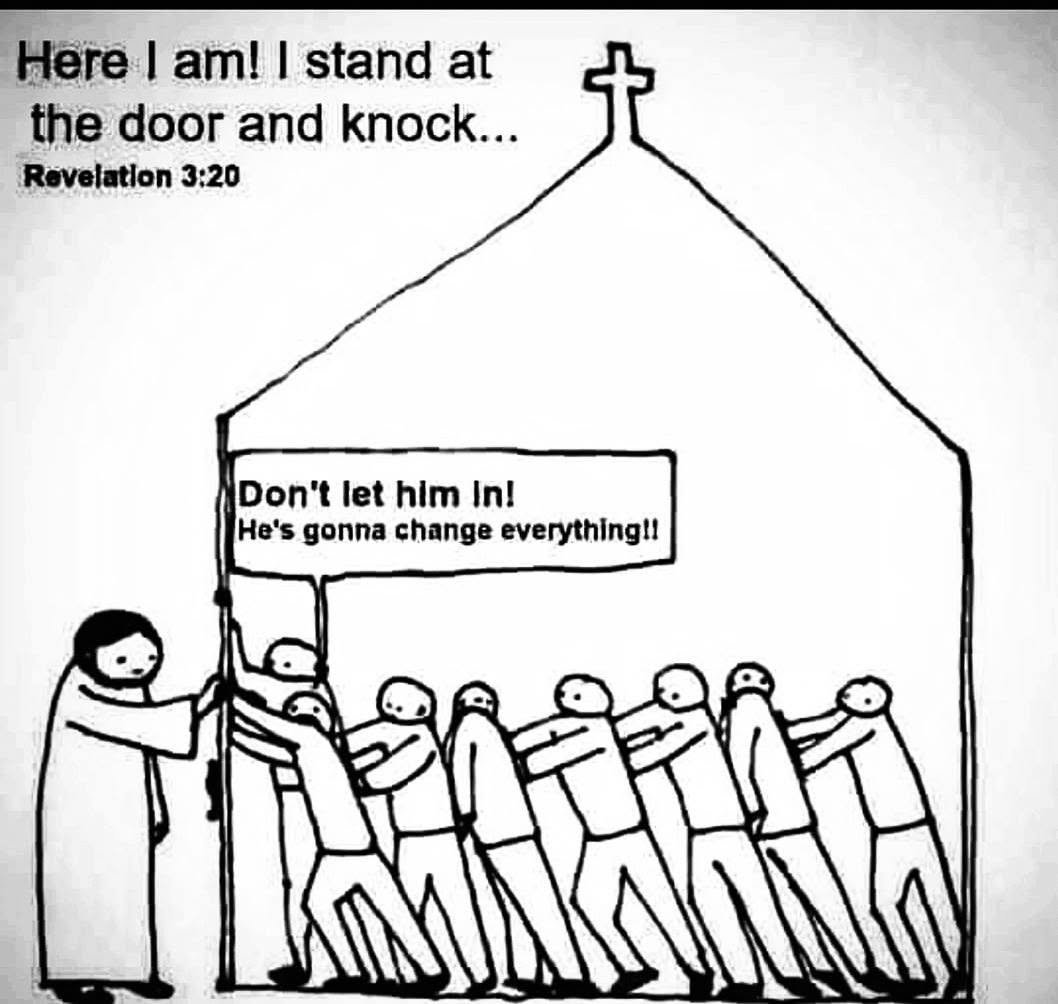
“Behold, I stand at the door, and knock: if any man hear my voice, and open the door, I will come in to him, and will sup with him, and he with me.” — Revelation 3:20
In Revelation 3:14–22, Christ addresses the church at Laodicea, which had become complacent and failed to recognise its spiritual condition. His words reveal a troubling possibility: a congregation can maintain its identity and activities while failing to respond properly to the Lord.
Christ's invitation is a call to repentance and renewed fellowship. He desires people who hear His voice and respond sincerely. He does not seek an empty religious performance, but a relationship marked by faith, obedience, and truth.
God's intention is not to keep His people at a distance while they depend entirely on human institutions. He calls them to know Him personally through Jesus Christ and to live under the authority of His Word. Spiritual leaders should help people grow in that relationship rather than make themselves the centre of their followers' faith.
Every believer should therefore ask whether religious routines have replaced genuine devotion. Prayer, Scripture, worship, fellowship, and service should lead people towards greater faithfulness, not become substitutes for obedience. Christ's invitation remains a call to open the heart and respond to Him.
________________________________________
DO NOT DESPISE THE DAY OF SMALL BEGINNINGS
“For who hath despised the day of small things?” — Zechariah 4:10
God's work does not always begin with impressive numbers, large buildings, or public recognition. Sometimes the most meaningful beginnings appear insignificant to those who measure success by outward appearance. Yet a small beginning can become the foundation of something fruitful when it is established in obedience and sustained through faithfulness.
People often desire immediate greatness. They may become dissatisfied with humble beginnings and pursue recognition before developing the character required to carry greater responsibility. In the process, they can sacrifice truth, integrity, and genuine spiritual growth to create an impressive image.
God calls His people to be faithful with what they have received. A small congregation, a simple act of service, a quiet prayer, or a modest opportunity can be valuable when undertaken sincerely. The importance of an assignment is not determined solely by its visibility, but by the faithfulness with which it is carried out.
Gratitude is essential in this process. Believers should thank God for daily provision, opportunities to serve, spiritual instruction, and the progress He enables. Gratitude does not prevent growth; it protects people from contempt, pride, and destructive comparison.
“In every thing give thanks: for this is the will of God in Christ Jesus concerning you.” — 1 Thessalonians 5:18
A faithful person does not need to exaggerate achievements or manufacture success to appear important. Instead, that person develops what has been entrusted to them, learns through each season, and trusts God with the results. The church should value spiritual fruit above outward display and faithful service above human applause.
________________________________________
SEEK GOD'S KINGDOM, NOT HUMAN IMPRESSIONS
“But seek ye first the kingdom of God, and his righteousness; and all these things shall be added unto you.” — Matthew 6:33
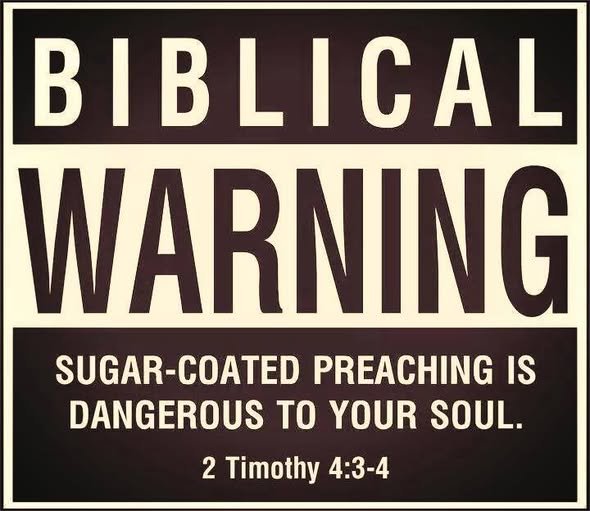
God desires His truth to be proclaimed so that people may know Him and learn to walk in righteousness. Yet religious messages can become distorted when they are designed primarily to satisfy ambition, promise effortless success, or attract attention. Believers must distinguish between the truth of God's kingdom and messages shaped around human desires.
The Christian life is not a promise of uninterrupted comfort. God works in His people to shape their character, teach them dependence, and make them increasingly reflect Christ. Difficult circumstances can reveal areas that require growth, although not every hardship should be interpreted as direct punishment from God.
“For whom the Lord loveth he chasteneth, and scourgeth every son whom he receiveth.” — Hebrews 12:6
God's correction is intended to train His people in righteousness. Therefore, believers should not reject every difficulty as an interruption of their spiritual journey. They should seek wisdom, examine their conduct, and remain open to correction while avoiding assumptions about the causes of every hardship.
The goal is not to construct an imaginary life in which everything unfolds according to personal expectations. It is to become faithful to God through changing circumstances. Plans are useful, but they must be held with humility because human beings cannot control every event.
“For that ye ought to say, If the Lord will, we shall live, and do this, or that.” — James 4:15
This is not a rejection of responsible planning. It is a recognition that life belongs to God. Believers should make wise decisions, prepare for the future, and work diligently while remaining willing to adjust when circumstances change. Their deepest confidence should rest in the Lord rather than in wealth, human systems, or personal predictions.
________________________________________
THE WORD OF GOD BRINGS RESPONSIBILITY
“For unto whomsoever much is given, of him shall be much required.” — Luke 12:48
When God entrusts people with His Word, they become responsible for how they receive and apply it. Scripture is not merely a collection of religious sayings to be quoted when convenient. It reveals God's character, exposes error, teaches righteousness, and directs His people towards faithful living.
Greater access to truth brings greater responsibility. Those who teach Scripture must handle it faithfully, while those who hear it must be willing to obey. Familiarity with the Bible does not automatically produce spiritual maturity. The Word must be received with humility and allowed to correct personal attitudes and conduct.
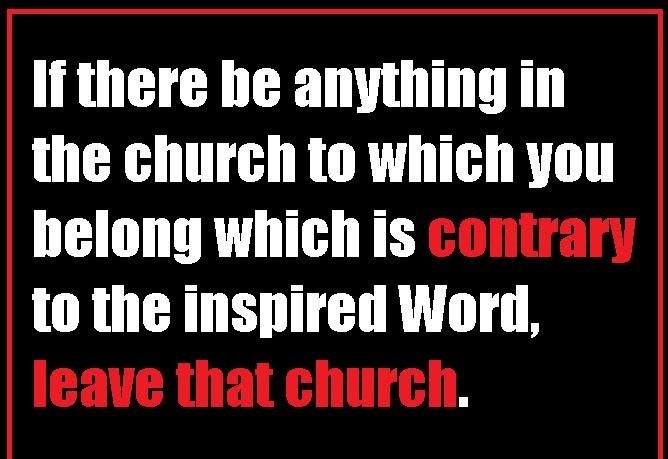
The church should never treat Scripture as a tool for protecting human ambitions. God's Word must remain the standard by which teaching, leadership, and conduct are examined. Where people discover that their practices contradict Scripture, they should respond with repentance and a willingness to change.
The same principle applies to spiritual gifts, ministry opportunities, and positions of leadership. These are responsibilities entrusted by God, not possessions that grant freedom from accountability. The more influence a person receives, the greater the need for integrity, humility, and faithful stewardship.
________________________________________
THE HOLINESS OF GOD MUST NEVER BE TREATED CASUALLY
The account in 1 Samuel 5:6–12 describes the consequences experienced by the Philistines after they captured the ark of the covenant. They placed it in the temple of Dagon, but the events that followed demonstrated that the God of Israel could not be subordinated to an idol or treated as an object under human control.
“But the hand of the LORD was heavy upon them of Ashdod, and he destroyed them, and smote them with emerods, even Ashdod and the coasts thereof.” — 1 Samuel 5:6
As the account continues, the Philistines moved the ark from one city to another because of the calamities that followed. They sought to escape their distress by transferring the ark elsewhere. The narrative reveals the seriousness of encountering the holiness and authority of God while refusing to honour Him.
The ark was associated with God's covenant with Israel; it was not a magical object to be manipulated for personal advantage. Indeed, Israel itself was not free to disregard God's commandments simply because the ark belonged to its religious life. Sacred symbols could never replace obedience.
The lesson for believers is that spiritual privileges carry responsibility. God's Word, worship, ministry, and service must not be used to justify dishonesty, exploitation, or pride. The church must honour the Lord whom it professes to serve.
This passage should not, however, be used to claim that every illness, loss, or hardship is a direct judgment from God. Its central lesson is the seriousness of God's holiness and the need to approach Him with reverence and obedience. Believers should respond through self-examination and faithfulness rather than making careless accusations about the suffering of others.
________________________________________
THE CALL TO REPENTANCE AND HOLINESS
“Be ye holy; for I am holy.” — 1 Peter 1:16
God calls His people to separate themselves from sin and practices that contradict His truth. This separation is not an excuse for pride, hatred, or contempt towards others. It is a commitment to reject evil, uphold righteousness, and live in a manner that honours Christ.
Holiness must be evident in daily conduct, including honesty, compassion, sexual integrity, financial responsibility, humility, and the treatment of other people. It also requires courage to resist pressure to compromise the truth for popularity or personal gain.
The church should be a place where people are taught to live faithfully, the vulnerable are treated with dignity, and wrongdoing is addressed with wisdom and integrity. Its leaders should welcome appropriate accountability, and its members should be encouraged to grow in spiritual maturity.
Believers must begin this examination with themselves. It is easy to identify weaknesses in other congregations while overlooking personal disobedience. Genuine renewal begins when individuals and communities allow God's Word to search their hearts and lead them towards repentance.
The choice is not simply between attending one religious institution and another. The deeper question is whether we will respond to the living God with sincere faith and obedience. A church becomes spiritually fruitful when Christ is honoured, truth is welcomed, and people are transformed by His grace.
________________________________________
SUMMARY
A church building may remain standing while the spiritual purpose of its gathering is neglected. True worship is not merely religious activity; it is worship offered in spirit and truth, accompanied by repentance, obedience, holiness, gratitude, and genuine fellowship with God.
God condemns leaders who exploit His people and promises to preserve a faithful remnant. He calls believers to trust Him through difficult circumstances, appreciate small beginnings, handle His Word responsibly, and honour His holiness. Spiritual privilege must never become an excuse for carelessness or pride.
The church must therefore examine whether it is nurturing genuine spiritual life or merely maintaining outward appearances. Its purpose is to honour Christ, proclaim the truth, care faithfully for God's people, and equip believers to walk in righteousness.
________________________________________
CONCLUSION: LET THE CHURCH LIVE
The question “A Church or a Tomb?” calls every believer to examine the difference between religious appearance and spiritual reality. God is not honoured by outward activity that is disconnected from truth and obedience. He seeks people who sincerely worship Him, listen to His Word, and demonstrate their faith through their conduct.
Yet the message is not one of hopelessness. God calls people to return to Him. He can restore those who have wandered, strengthen those who remain faithful, and renew the spiritual life of individuals and congregations that sincerely repent.
Let every spiritual leader remember that the flock belongs to God. Let every believer refuse empty appearances and seek genuine fellowship with Christ. Let churches value faithfulness above popularity, truth above human approval, and spiritual fruit above outward display.
The goal is not merely to preserve religious buildings or institutions. It is to see people transformed by the living God and equipped to live according to His will.
________________________________________
THE CALL TO ACTION
Examine your heart before God. Ask whether your worship is sincere, whether you obey His Word, and whether your life reflects the character of Jesus Christ. Do not depend solely on religious attendance, titles, traditions, or the reputation of your congregation.
If you are a leader, care for God's people faithfully and reject every form of exploitation. If you have become spiritually careless, return to prayer, Scripture, repentance, and obedience. If you are facing uncertainty, seek God's wisdom for the responsibilities before you rather than placing your ultimate confidence in circumstances you cannot control.
Practise gratitude, remain faithful in small beginnings, and welcome correction when it is grounded in truth. Above all, make Christ the centre of your faith and allow His Word to shape your daily conduct.
Do not settle for the appearance of spiritual life. Seek the living God, worship Him in spirit and truth, and let your life bear lasting fruit for His glory.
________________________________________
FINAL WORD OF ENCOURAGEMENT
Do not be discouraged by the spiritual confusion of the world around you. God remains faithful, and He is able to strengthen those who sincerely seek Him. Your calling is not to imitate the crowd or compete for recognition, but to remain steadfast in truth, humility, and obedience.
Do not despise small beginnings or measure your faithfulness by outward success. Continue to pray, follow God's Word, serve others with integrity, and trust Him through every season. May your life reflect the character of Christ, your worship remain sincere, and your heart stay responsive to His correction.
May your faith be alive, your worship be genuine, and your life bear witness to the living God.
________________________________________
SALVATION PRAYER
Heavenly Father, I come before You in the name of Jesus Christ. I acknowledge that I am a sinner and that I need Your forgiveness and salvation. I cannot save myself through religious activities, good works, or outward appearances. I need the new life that comes through Your Son, Jesus Christ.
Lord Jesus, I believe that You died for my sins and rose again. I repent of my sins and turn to You. Please forgive me, cleanse my heart, and make me new. I receive You as my Lord and Saviour, and I surrender my life to Your authority.
Holy Spirit, guide me into the truth of God's Word. Teach me to worship the Father in spirit and truth, to walk in holiness, and to obey the Lord sincerely. Deliver me from hypocrisy, pride, deception, and empty religion. Give me a humble heart that welcomes correction and desires to please God.
Father, establish me in Your grace. Help me grow in faith, walk with faithful believers, and bear fruit that honours Your name. Let my life reflect the reality of Jesus Christ, and keep me steadfast in truth and obedience.
Thank You for Your mercy and for the salvation You offer through Jesus Christ. I place my trust in Him and commit my life to following Him.
In the name of Jesus Christ, my Lord and Saviour, I pray. Amen.

















Leave a Comment