

The Judgment of Exploitative Systems and the Call to Righteous Living By: Major Frank Materu
Key Scripture:
“Woe unto them that decree unrighteous decrees, and that write grievousness which they have prescribed; To turn aside the needy from judgment, and to take away the right from the poor of My people.” — Isaiah 10:1–2
________________________________________
Introduction
The message presented confronts one of the most disturbing yet often hidden realities of our time: the systemic alliance between corruption, criminal enterprise, and spiritual deception. It unveils a dark intersection where organized crime and compromised religious institutions converge—not merely in theory, but in active exploitation of the vulnerable. This is not a comfortable subject, and it is not meant to be. It is a call to wakefulness, discernment, and moral clarity.
At its core, this lesson addresses the abuse of power, the commodification of human life, and the manipulation of trust. It challenges the widely accepted assumption that institutions labeled as “holy” are inherently righteous. It also dismantles the illusion that wealth, influence, or outward respectability equate to divine approval.
This teaching must be approached with both spiritual sobriety and intellectual honesty. Not every church is false, and not every system is corrupt—but it would be dangerously naive to assume that corruption does not infiltrate even the most sacred spaces. History and present reality confirm otherwise.
The message also exposes the machinery of exploitation: trafficking, forced labor, manipulation of the poor, and the use of religion as a cover for immoral gain. These are not isolated acts of evil; they are structured, sustained, and often protected by networks of influence and fear.
Yet, alongside this exposure of darkness is a profound revelation of divine justice and compassion. God is not indifferent. He sees. He records. He responds. And ultimately, He judges.
This lesson, therefore, is not merely an indictment—it is also an invitation. An invitation to live differently, to refuse complicity, and to align oneself with truth, justice, and righteousness, regardless of the cost.
________________________________________
The Hidden Alliance Between Corruption and Religion
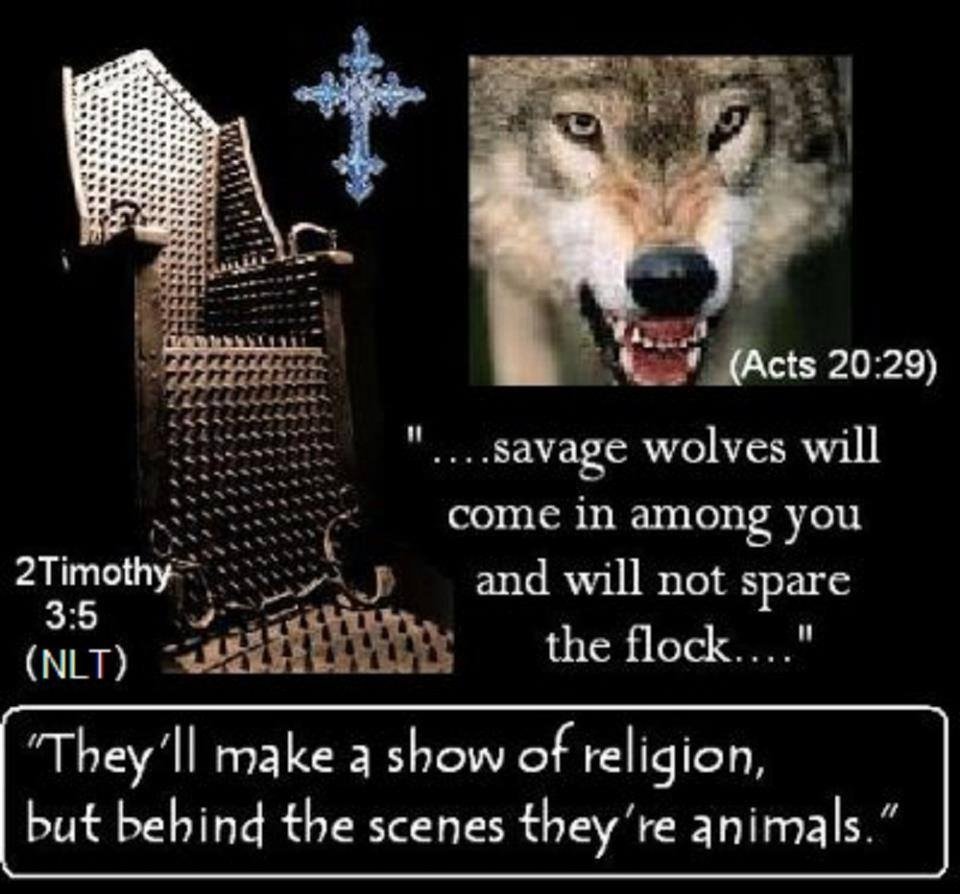
“Having a form of godliness, but denying the power thereof: from such turn away.” — 2 Timothy 3:5
________________________________________
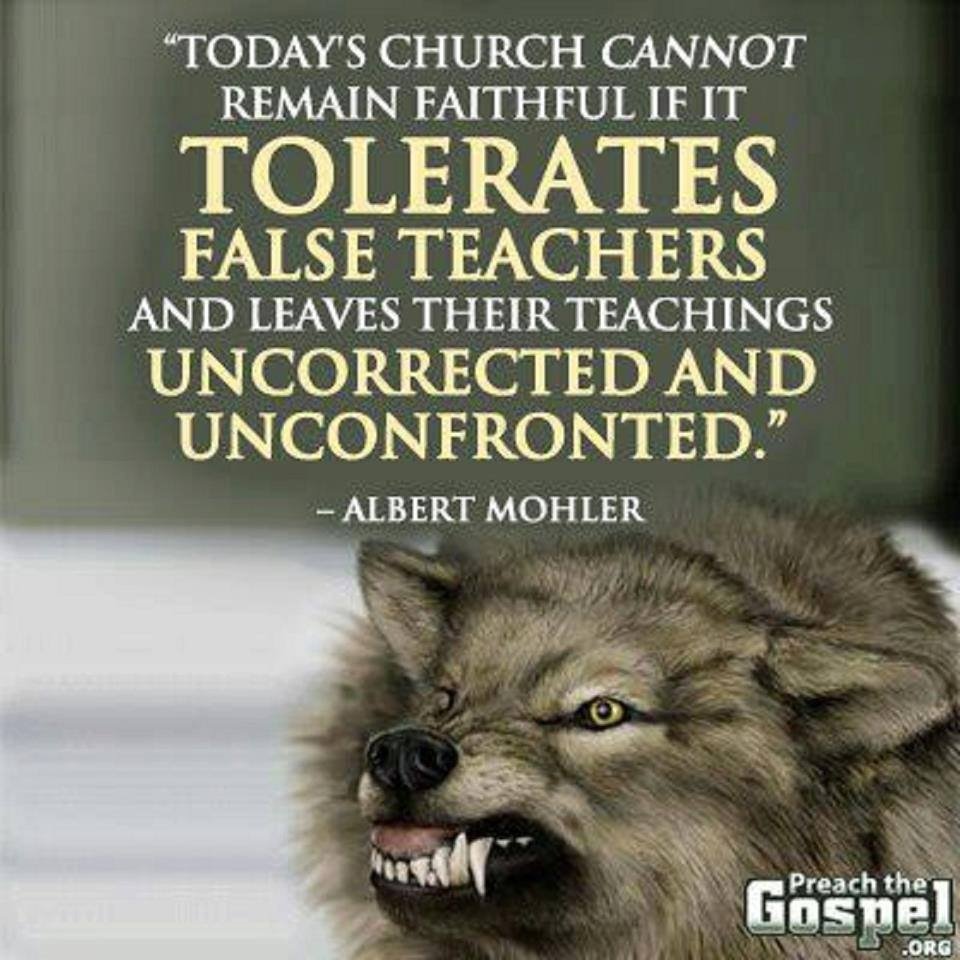
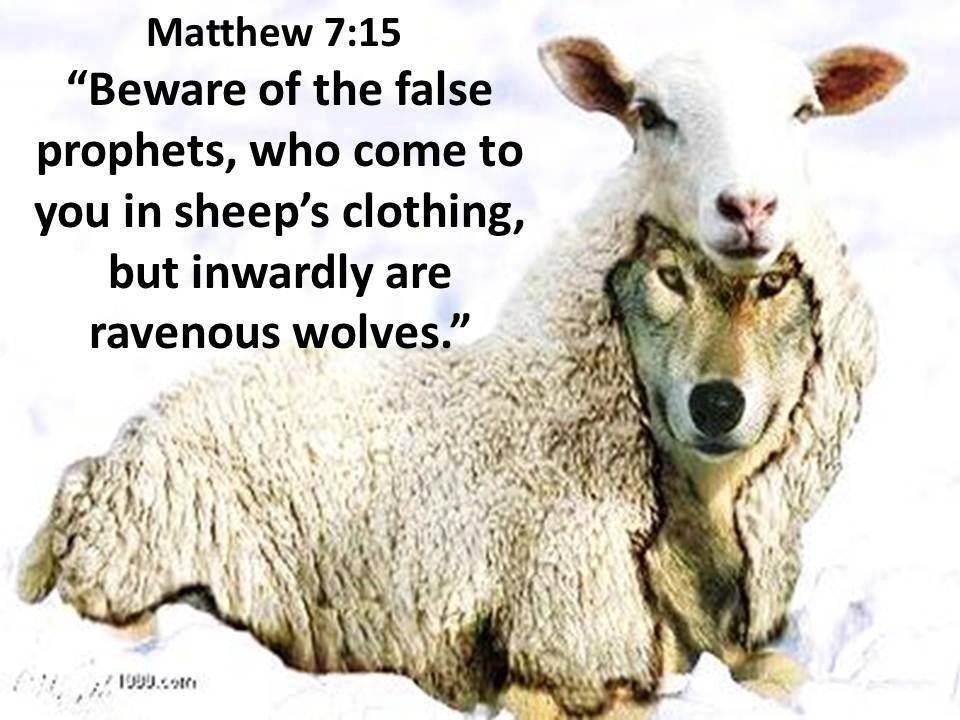
One of the most unsettling realities is the existence of religious structures that operate as fronts for corruption. These institutions maintain outward appearances of holiness while internally facilitating or benefiting from exploitation.
This is not a new phenomenon. Throughout history, religion has been misused as a tool for control, manipulation, and profit. What makes it particularly dangerous is the trust people place in spiritual authority. When that trust is violated, the damage is both material and spiritual.
The alliance between criminal systems and false religious institutions is strategic. Crime syndicates require legitimacy, while corrupt religious entities seek financial gain and influence. Together, they create a mutually beneficial ecosystem where wrongdoing is concealed under layers of respectability.
The tragedy lies in the victims—those who seek help, guidance, or refuge but instead find themselves exploited. When the sacred becomes a marketplace for injustice, the consequences are devastating.
________________________________________
The Exploitation of the Vulnerable
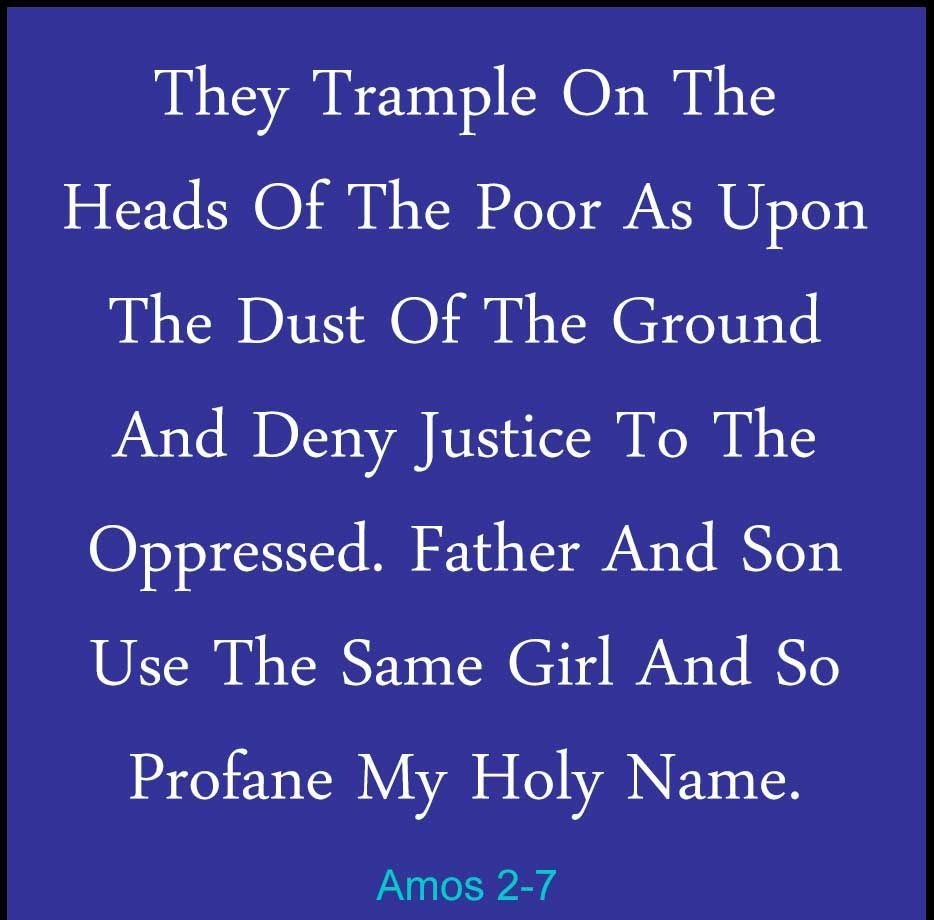
“They pant after the dust of the earth on the head of the poor, and turn aside the way of the meek.” — Amos 2:7
________________________________________
The message highlights a harsh truth: the poor, the marginalized, and the desperate are often the primary targets of exploitation. This is not accidental—it is calculated.
Those in vulnerable positions are easier to manipulate. Promises of opportunity, safety, or prosperity are used as bait. Once entrapped, individuals may find themselves in systems of abuse from which escape is nearly impossible.
Human trafficking, forced labor, and sexual exploitation are not abstract issues. They are global realities sustained by demand, secrecy, and profit. The use of children, in particular, represents a profound moral collapse. It is the ultimate betrayal of innocence.
The lesson here is not only to recognize these injustices but to understand the mindset behind them. Exploitation thrives where human beings are reduced to commodities. When profit becomes the highest value, dignity is the first casualty.
________________________________________
The Illusion of Respectability and Power
“For such are false apostles, deceitful workers, transforming themselves into the apostles of Christ.” — 2 Corinthians 11:13
________________________________________
A critical warning emerges: evil does not always appear in obvious forms. Often, it is dressed in sophistication, authority, and success.
Individuals involved in corrupt systems may rise to positions of influence. They may hold political office, lead organizations, or be celebrated in society. Their outward image conceals their inner corruption.
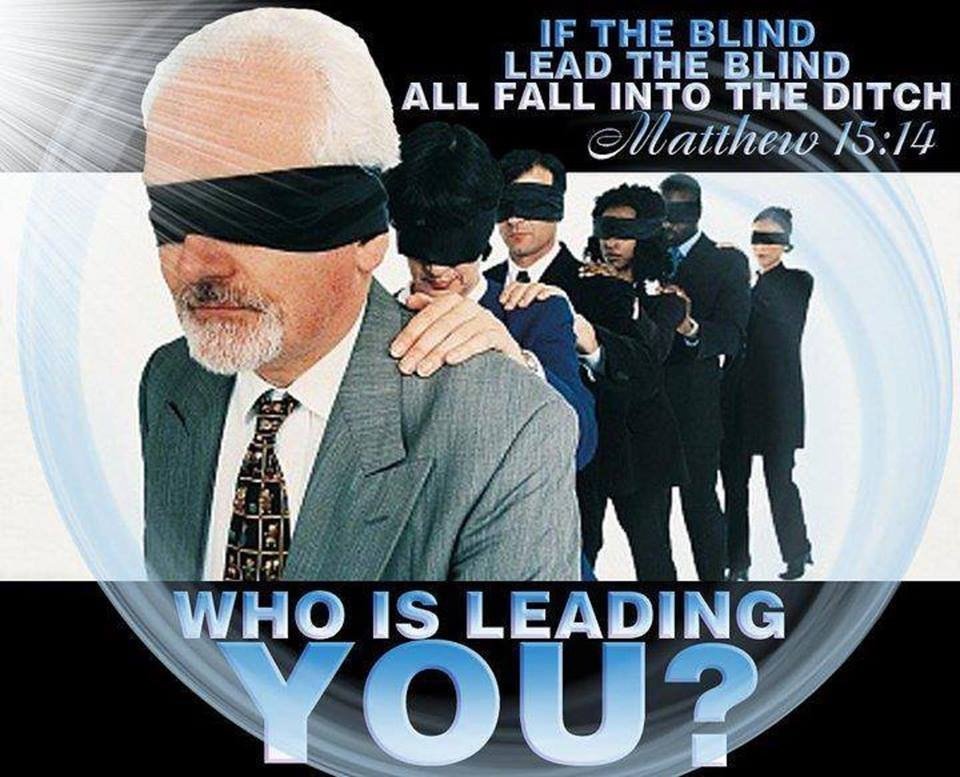
This illusion of respectability creates a barrier to accountability. People hesitate to question authority figures, especially those associated with religion or leadership. This silence enables continued abuse.
Discernment, therefore, becomes essential. It is not enough to judge by appearances. Character must be evaluated by actions, integrity, and alignment with truth.
________________________________________
The Cycle of Greed and Dehumanization
“The love of money is the root of all evil.” — 1 Timothy 6:10
________________________________________
At the heart of these systems is greed—an insatiable desire for wealth and power. This greed drives individuals to exploit others without remorse.
The message emphasizes that such systems are self-perpetuating. They create cycles where victims become trapped, and perpetrators grow increasingly bold. The more profit is generated, the more normalized the exploitation becomes.
Dehumanization is a necessary component of this cycle. To exploit someone fully, one must first strip them of their humanity—seeing them not as a person, but as a resource.
Breaking this cycle requires more than awareness. It demands a rejection of values that prioritize profit over people.
________________________________________
Divine Justice and Accountability
“Be not deceived; God is not mocked: for whatsoever a man soweth, that shall he also reap.” — Galatians 6:7
________________________________________
A central theme of this message is the certainty of divine justice. No act of exploitation, no matter how hidden, escapes the awareness of God.
This is both a warning and a reassurance. For those who perpetrate injustice, it is a declaration that accountability is inevitable. Wealth, influence, and power cannot shield them from judgment.
For the oppressed, it is a promise that their suffering is not ignored. God sees, hears, and responds.
The concept of eternal consequences underscores the seriousness of these actions. Temporary gain cannot outweigh eternal loss. Those who build their lives on exploitation ultimately face complete exposure and judgment.
________________________________________
God’s Compassion for the Oppressed
“The Lord executeth righteousness and judgment for all that are oppressed.” — Psalm 103:6
________________________________________
Amidst the severity of judgment, the message also reveals God’s compassion. He is not distant or indifferent. He responds to those who cry out in need.
This compassion is practical. It is not about granting excess or feeding greed, but about providing what is necessary for life and dignity.
This distinction is important. God’s provision is not aligned with human definitions of success. It is rooted in sufficiency, justice, and care.
Understanding this helps realign priorities. It shifts focus from accumulation to stewardship, from greed to gratitude.
________________________________________
The Example of Jesus Christ
“The Son of man hath not where to lay His head.” — Matthew 8:20
________________________________________
The life of Jesus stands in stark contrast to the systems described. Though He came from divine glory, He chose a life of humility and service.
He did not pursue wealth, status, or power. Instead, He walked among ordinary people, offering healing, truth, and compassion.
This example challenges modern assumptions about success and spirituality. True greatness is not measured by accumulation but by service.
Following this example requires a shift in values. It means rejecting the pursuit of selfish gain and embracing a life of purpose and integrity.
________________________________________
A Call to Personal Responsibility and Obedience
“To do justice, and to love mercy, and to walk humbly with thy God.” — Micah 6:8
________________________________________
The message concludes with a direct call to action. It is not enough to recognize injustice; one must actively choose a different path.
This involves obedience to moral and spiritual principles, even when they conflict with societal norms or personal desires.
It also requires vigilance. Temptations of wealth and comfort can lead to compromise. Remembering the example of Christ provides a standard against which all choices can be measured.
Living with gratitude, integrity, and purpose is not optional—it is essential.
________________________________________
Summary
This lesson exposes the intersection of corruption, exploitation, and false spirituality. It reveals how systems of greed operate and how they harm the most vulnerable. It challenges assumptions about authority and respectability, urging discernment and awareness.
At the same time, it affirms the reality of divine justice and compassion. God sees all, judges all, and cares deeply for those who suffer. The example of Jesus provides a model for righteous living, emphasizing humility, service, and truth.

________________________________________
Conclusion
The reality described is uncomfortable but necessary to confront. Ignoring it does not make it disappear. Instead, it allows injustice to continue unchecked.
This lesson is not about fear—it is about clarity. It calls for a reevaluation of values, priorities, and actions. It challenges individuals to reject systems of exploitation and to live in alignment with righteousness.
Ultimately, it is a reminder that every choice has consequences—both temporal and eternal.
________________________________________
Call to Action
Examine your environment, your affiliations, and your decisions. Refuse to participate in or support systems that exploit others. Seek truth, practice justice, and extend compassion.
Do not be swayed by appearances or promises of quick gain. Choose integrity over convenience, and righteousness over profit.
________________________________________
Final Word of Encouragement
No matter how dark the world may appear, righteousness still stands. Truth still prevails. And those who choose to walk in integrity are never alone.
Your choices matter. Your life has value. And your commitment to justice contributes to a greater transformation.
Stand firm. Remain faithful. And trust that what is right will ultimately overcome what is wrong.
________________________________________
Salvation Prayer
Heavenly Father,
I come before You acknowledging my need for truth, forgiveness, and restoration. I recognize that I have fallen short and that I cannot save myself. I believe that Jesus Christ is Your Son, that He died for my sins, and that He rose again to give me new life.
Today, I choose to turn away from sin and from every form of wrongdoing. I surrender my life to You. Cleanse me, renew me, and guide me in Your ways. Teach me to walk in righteousness, to love justice, and to live with integrity.
Fill me with Your Spirit and give me the strength to follow You daily. From this moment forward, I belong to You.
In Jesus’ Name,
Amen.







Leave a Comment