

THE FIRE OF TRUE CLEANSING: God’s Removal of Idolatry and False Prophecy By: Major Frank Materu
Key Scripture:
“And it shall come to pass in that day, saith the LORD of hosts, that I will cut off the names of the idols out of the land, and they shall no more be remembered: and also I will cause the prophets and the unclean spirit to pass out of the land.”
— Zechariah 13:2 (Book of Zechariah)
________________________________________
INTRODUCTION
The thirteenth chapter of the Book of Zechariah presents one of the most powerful prophetic pictures of divine purification in all of Scripture. It follows the promise of a fountain opened for sin and uncleanness, revealing that forgiveness is not the end of God’s work—cleansing must be followed by consecration. Where sin is forgiven, idols must be removed. Where grace flows, falsehood cannot remain.
The prophetic voice of Zechariah speaks into a historical context in which Israel had repeatedly struggled with idolatry and spiritual compromise. Even after exile, the temptation to mix the worship of the true God with surrounding pagan influences lingered. The Lord, therefore, announces a decisive intervention. He will not merely correct behavior; He will cleanse the land. He will not simply silence error; He will remove its root.
This passage extends beyond ancient Israel. It carries enduring theological weight. It reveals God’s intolerance of divided loyalty, His judgment upon spiritual deception, and His determination to purify His people completely. The prophecy anticipates a time when false worship, false prophecy, and unclean spiritual influence will be eradicated.
In a world filled with religious confusion, spiritual sensationalism, and the commercialization of faith, the message of Zechariah 13:2–6 is intensely relevant. God’s desire has not changed. He seeks a people whose worship is pure, whose doctrine is sound, and whose hearts are undivided.
This lesson explores three profound dimensions of the text: the removal of idols, the eradication of false prophets, and the exposure of religious hypocrisy. Through careful theological reflection and scriptural support, we will discover that divine cleansing is not partial. It is radical, comprehensive, and transformative.
________________________________________
THE REMOVAL OF IDOLS: GOD’S DEMAND FOR EXCLUSIVE WORSHIP
“I will cut off the names of the idols out of the land, and they shall no more be remembered.” — Zechariah 13:2
The Lord’s declaration is absolute. He does not say He will reform idolatry or regulate it. He says He will cut it off. The language suggests complete removal—erasure from memory, elimination from influence.
Idolatry in biblical theology extends beyond carved images. It represents misplaced devotion, distorted allegiance, and spiritual substitution. In the covenant context of Israel, idolatry was spiritual adultery. The command given in the Book of Deuteronomy was unmistakable:
“Ye shall not go after other gods, of the gods of the people which are round about you.” — Deuteronomy 6:14
God’s covenant love demands exclusivity. When idols are allowed to remain—even symbolically—the purity of worship is compromised. Zechariah’s prophecy envisions a future in which even the memory of idols will fade. This is not mere behavioral correction; it is cultural transformation.
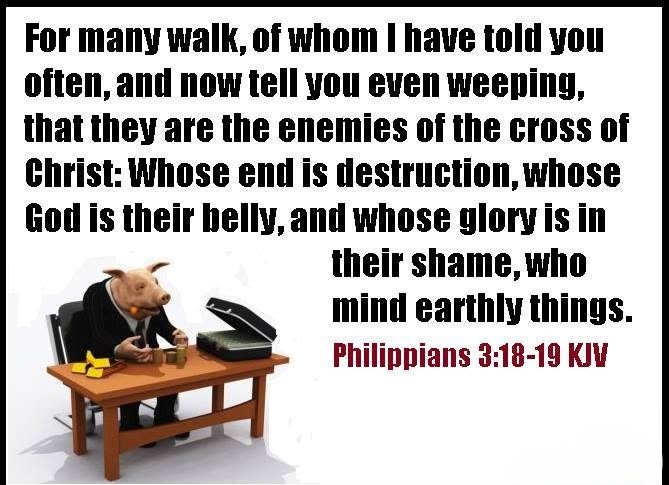
In contemporary application, idols may take subtler forms: wealth, influence, platforms, personalities, ideology, or even religious systems that displace Christ from the center. The principle remains unchanged. God will not share His glory.
The removal of idols is an act of mercy. It protects the people from deception. It restores clarity. It reestablishes true worship.
Theologically, this anticipates the eschatological purification described throughout prophetic Scripture. God will ultimately cleanse His people of every rival affection. Divine love demands undivided devotion.
________________________________________
THE ERADICATION OF FALSE PROPHETS: THE END OF SPIRITUAL DECEPTION
“And also I will cause the prophets and the unclean spirit to pass out of the land.” — Zechariah 13:2
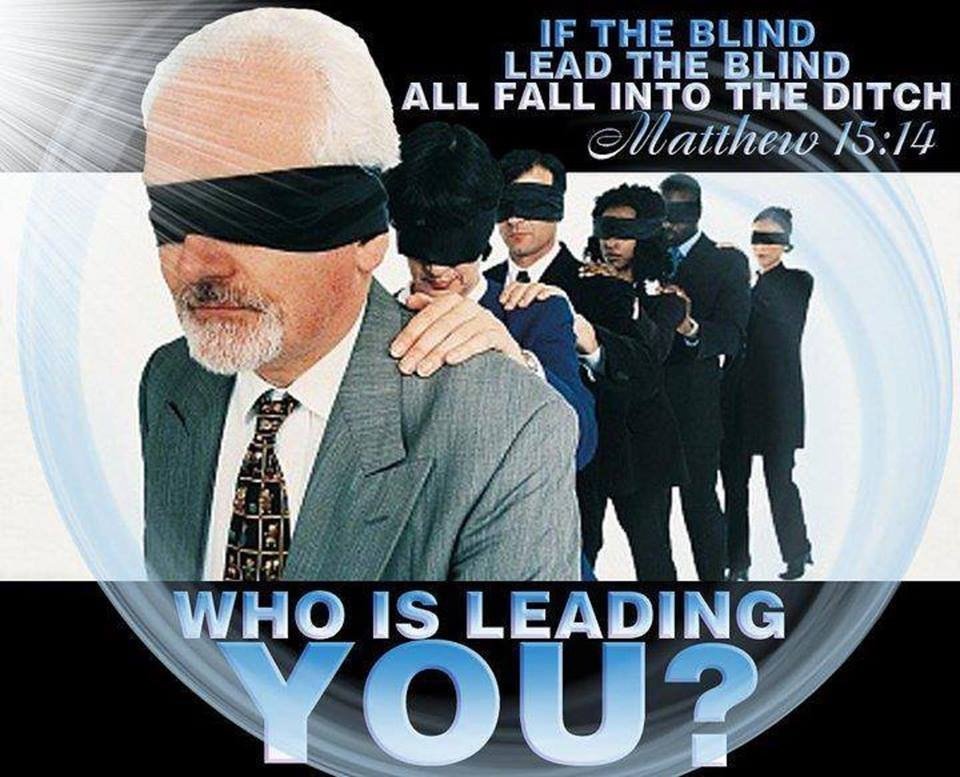
False prophecy is not merely doctrinal error. It is spiritual corruption empowered by what the text calls an “unclean spirit.” This language indicates that deception is not only human manipulation but may also carry demonic influence.
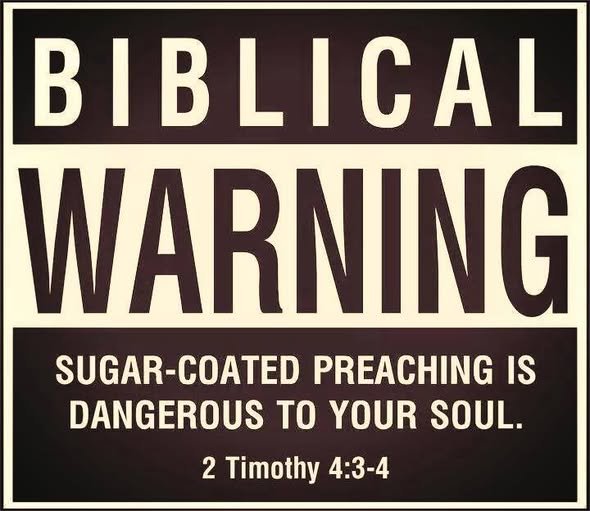
Throughout biblical history, false prophets emerged in times of crisis. They offered comforting lies instead of divine truth. They gained popularity by affirming people’s desires rather than confronting their sin.
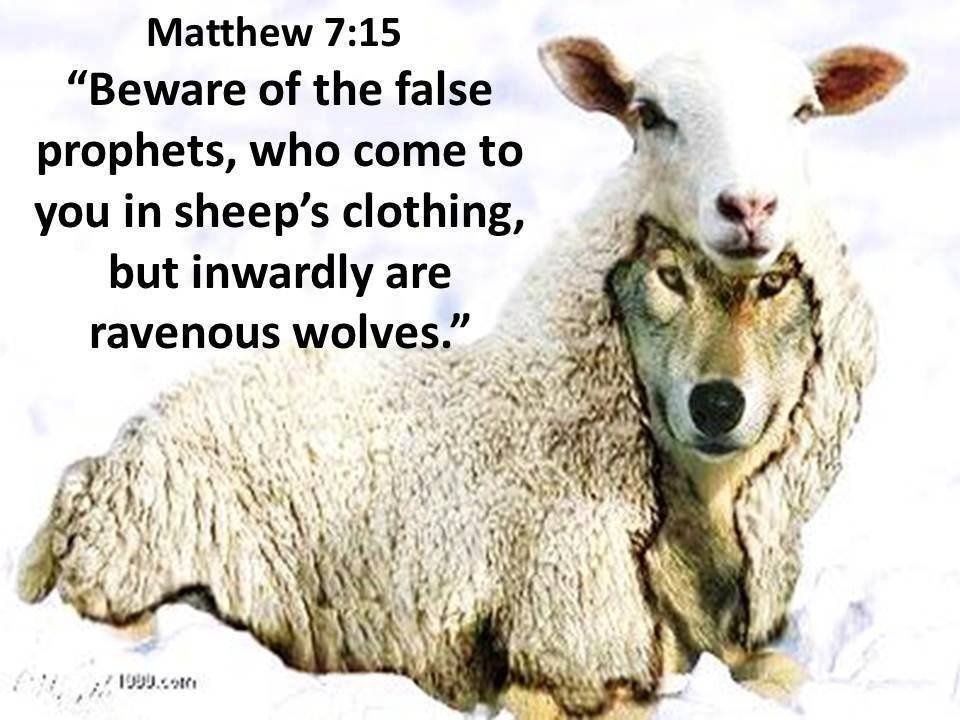
The warning of Christ in the Gospel of Matthew remains urgent:
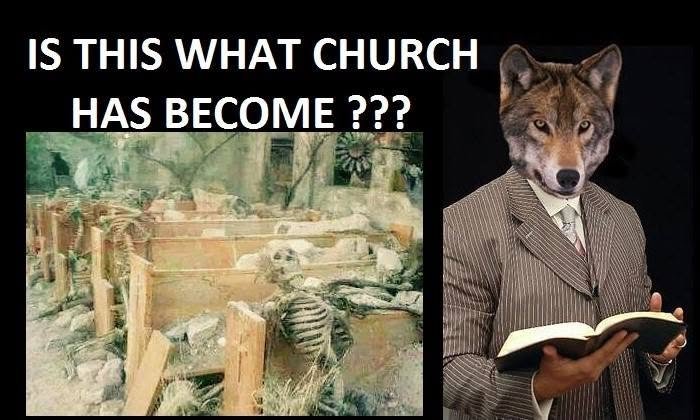
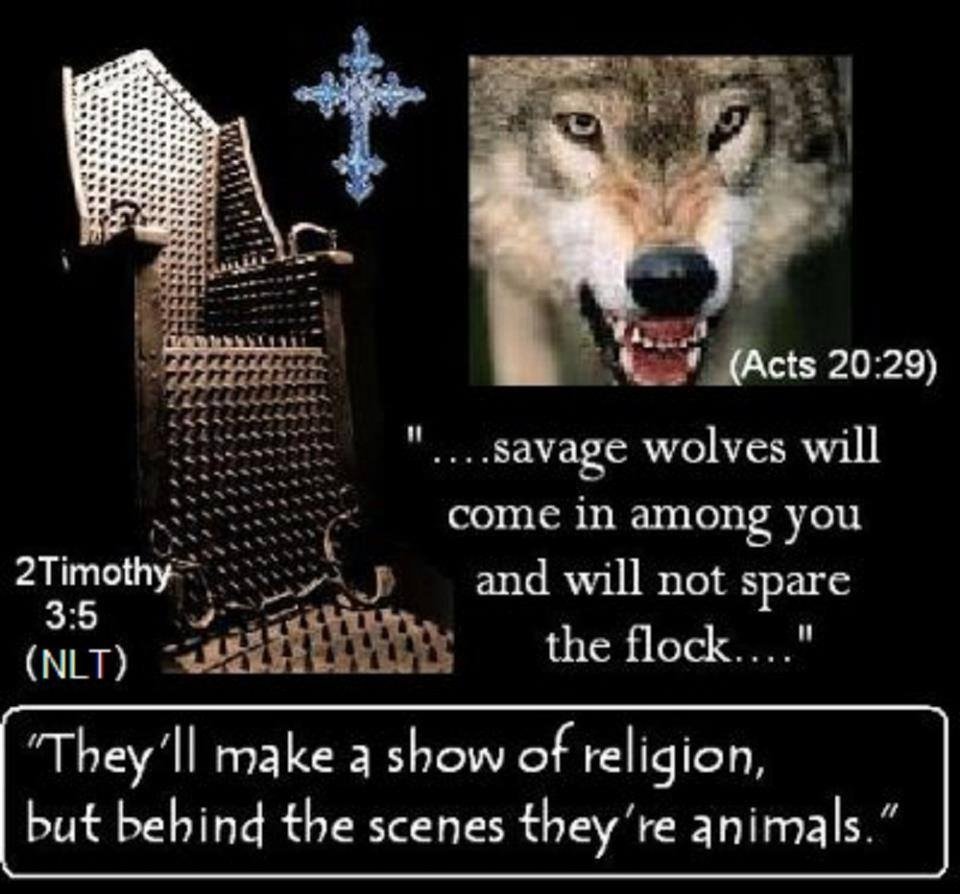
“Beware of false prophets, which come to you in sheep’s clothing, but inwardly they are ravening wolves.” — Matthew 7:15
False prophets often appear gentle, spiritual, and persuasive. Their danger lies not in obvious rebellion but in subtle distortion. They may speak in God’s name without being sent by God.
Zechariah’s prophecy envisions a radical purification where such voices will be removed entirely. This indicates that truth is not optional in God’s kingdom. Doctrinal purity matters. Integrity in proclamation matters.
A striking element of the text is that even parents will rebuke a son who falsely prophesies. Family loyalty will not override covenant loyalty. Truth will supersede bloodline.
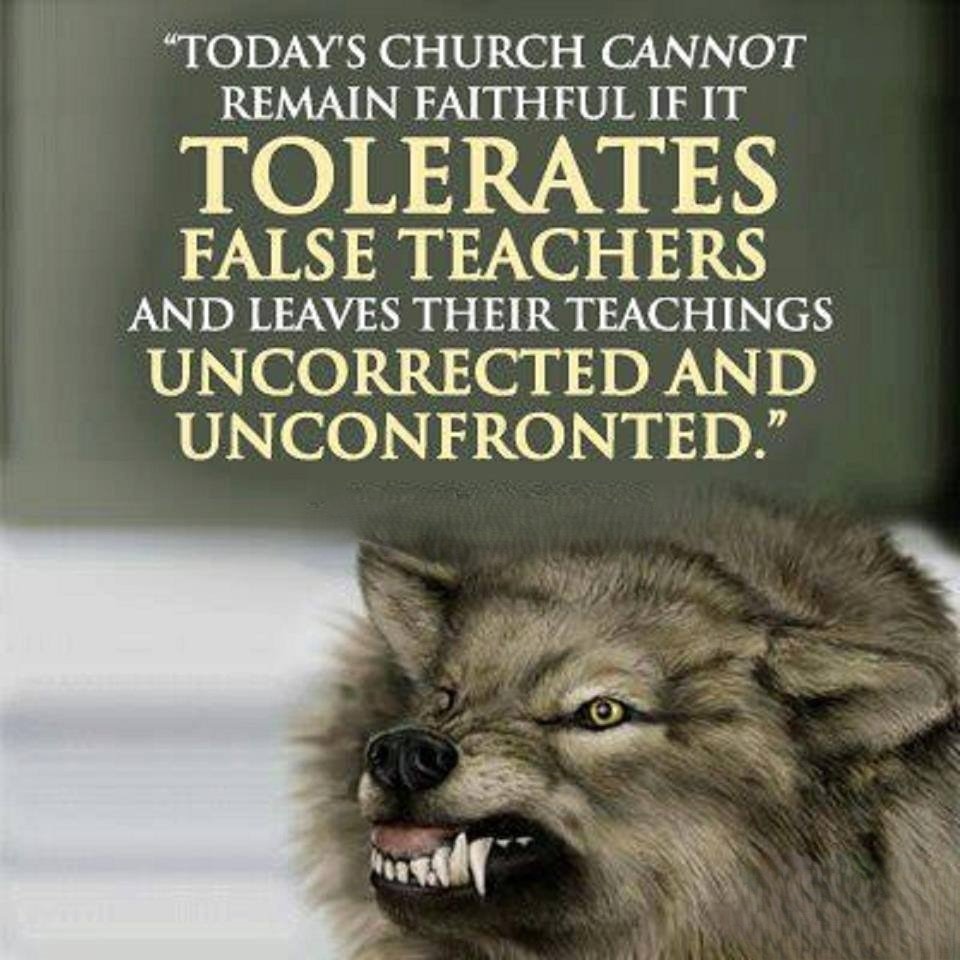
This illustrates the seriousness of spiritual deception. God’s holiness cannot coexist with tolerated falsehood. A community committed to truth must possess the courage to confront error.
The removal of false prophecy signals a return to authentic revelation. When God cleanses His people, clarity replaces confusion. Authority returns to Scripture. The voice of the Shepherd silences impostors.
________________________________________
RELIGIOUS HYPOCRISY EXPOSED: “I AM NO PROPHET, I AM A FARMER”
“But he shall say, I am no prophet, I am an husbandman; for man taught me to keep cattle from my youth.” — Zechariah 13:5
In verses five and six, the scene becomes deeply revealing. A former false prophet, confronted and exposed, denies his identity. Fear replaces bold pretense. He disowns the very role he once claimed.
The statement, “I am no prophet; I am a farmer,” reflects the collapse of fraudulent spirituality. When divine cleansing comes, artificial identities crumble. Religious performance cannot survive divine scrutiny.
The mention of wounds received “in the house of friends” likely refers to ritualistic self-inflicted marks associated with pagan prophetic practices. Under judgment, such marks become sources of shame rather than pride.
This passage is not describing humility; it is describing exposure. It is not repentance in its fullness; it is retreat under pressure. The false prophet seeks anonymity to escape accountability.
Theologically, this demonstrates that false spiritual authority is temporary. God will reveal what is counterfeit. Titles cannot protect deception. Platforms cannot shield hypocrisy.
This also challenges contemporary believers. Spiritual identity must be authentic. Calling must be genuine. Ministry must flow from divine commission rather than ambition.
When God purifies, He removes masks.
________________________________________
THEOLOGICAL IMPLICATIONS FOR THE CHURCH TODAY
Zechariah 13:2–6 presents a threefold cleansing: idols removed, false prophecy silenced, hypocrisy exposed. Together, these actions reflect God’s passion for covenant fidelity.
The New Testament echoes this theme. The apostle Peter writes in the First Epistle of Peter:
“For the time is come that judgment must begin at the house of God.” — 1 Peter 4:17
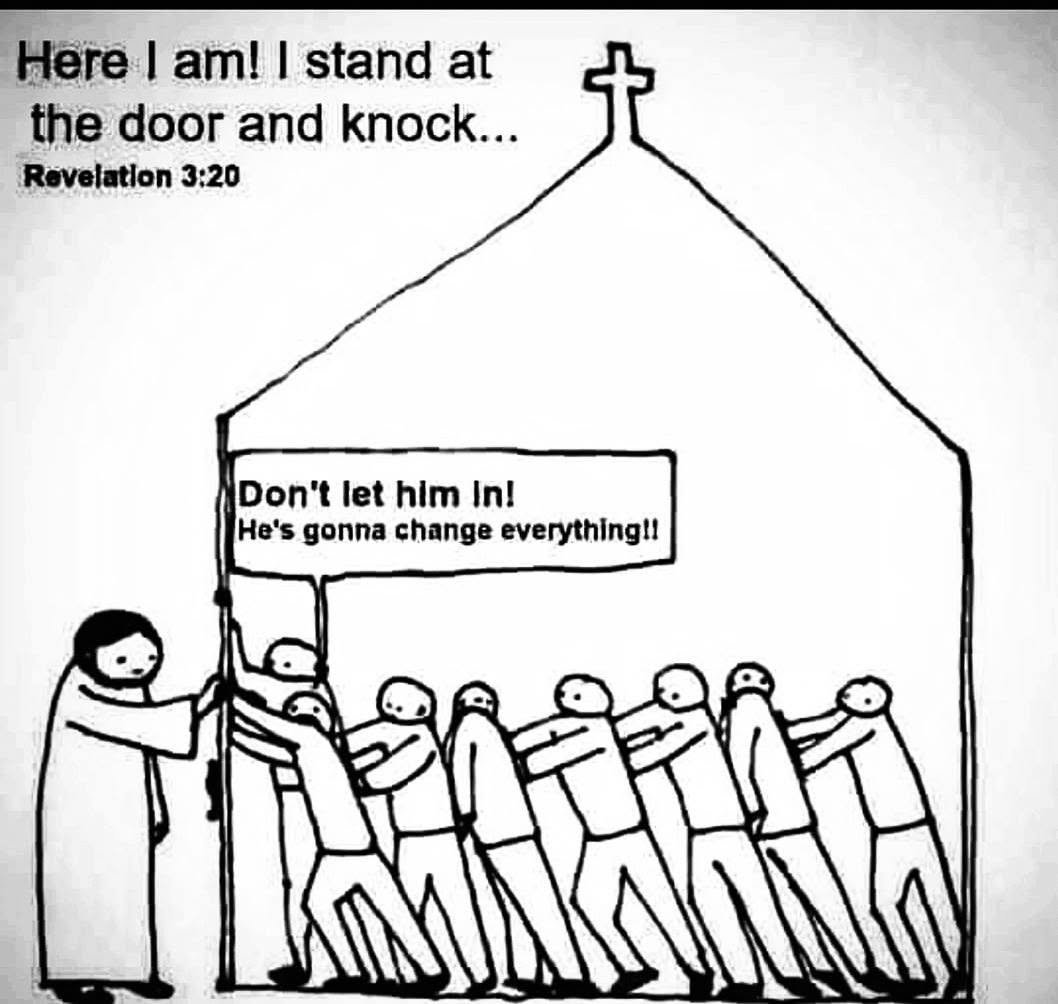
Divine purification begins with God’s people. The church must not fear cleansing; it must welcome it. Without purification, power diminishes. Without truth, influence corrupts.
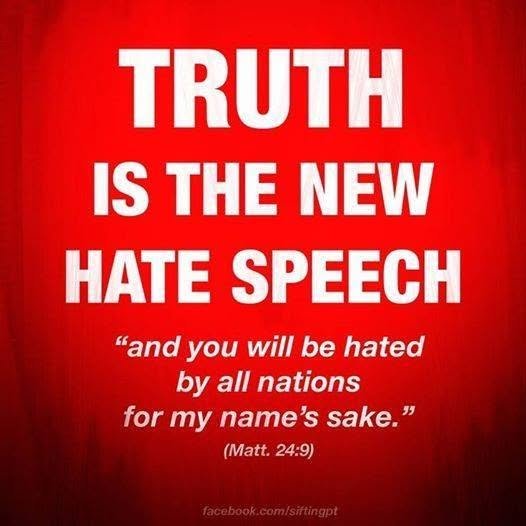
In an era of digital amplification, religious branding, and doctrinal relativism, Zechariah’s prophecy calls believers back to reverence. God is not impressed by religious noise. He seeks sincerity.
Authentic revival is not emotional excitement; it is moral purification. It is the removal of idols from the heart. It is the rejection of false teaching. It is the courage to uphold truth.
________________________________________
SUMMARY
Zechariah 13:2–6 reveals a decisive act of divine cleansing. God promises to remove idols completely, eliminating both their presence and memory. He declares the end of false prophecy, exposing and silencing deceptive voices. He unveils religious hypocrisy, demonstrating that false spiritual identity cannot endure His judgment.
The passage underscores God’s demand for exclusive worship, doctrinal integrity, and authentic spiritual life. It challenges every generation to examine its altars, its voices, and its motives.
________________________________________
CONCLUSION
The fire of true cleansing is not destructive for the faithful—it is liberating. When idols are removed, worship becomes pure. When false voices are silenced, truth becomes clear. When hypocrisy is exposed, authenticity emerges.
God’s ultimate purpose is restoration. He purifies so that relationship may flourish. He cleanses so that His people may reflect His holiness.
The question remains: Are we willing to surrender every idol? Are we prepared to reject every distortion of truth? Are we ready to stand in authentic obedience?
Divine cleansing is not comfortable, but it is necessary.
________________________________________
THE CALL TO ACTION
Search your heart before the Lord. Invite the Holy Spirit to reveal hidden idols. Examine your influences. Test every teaching against Scripture. Refuse spiritual compromise.
Choose truth over popularity. Choose holiness over convenience. Choose integrity over image.
Let the cleansing begin within you.
________________________________________
FINAL WORD OF ENCOURAGEMENT
Be encouraged: God’s desire to cleanse you is proof of His love for you. He disciplines what He cherishes. He purifies what He intends to use.
If you yield to His refining fire, you will not be destroyed—you will be strengthened. Your faith will be clearer. Your worship will be deeper. Your witness will be stronger.
The same God who removes idols also restores joy. The same God who exposes error also establishes truth.
Yield to His hand. Trust His process. Remain faithful.
________________________________________
SALVATION PRAYER
Heavenly Father,
I come before You in humility and sincerity. I acknowledge that I have sinned and fallen short of Your glory. I confess that there have been idols in my heart and compromise in my life.
Lord Jesus Christ, I believe that You are the Son of God. I believe that You died for my sins and rose again for my salvation. I receive You now as my Lord and Savior.
Cleanse me from all unrighteousness. Remove every idol from my heart. Deliver me from deception and establish me in Your truth. Fill me with Your Holy Spirit and help me to live a life that honors You.
From this day forward, I choose to follow You wholeheartedly.
In Jesus’ name, Amen.











Leave a Comment