

IDENTITY IN GOD: PRESERVING HOLINESS AND DISCERNING WORLDLY CORRUPTION By: Major Frank Materu
________________________________________
Key Scripture
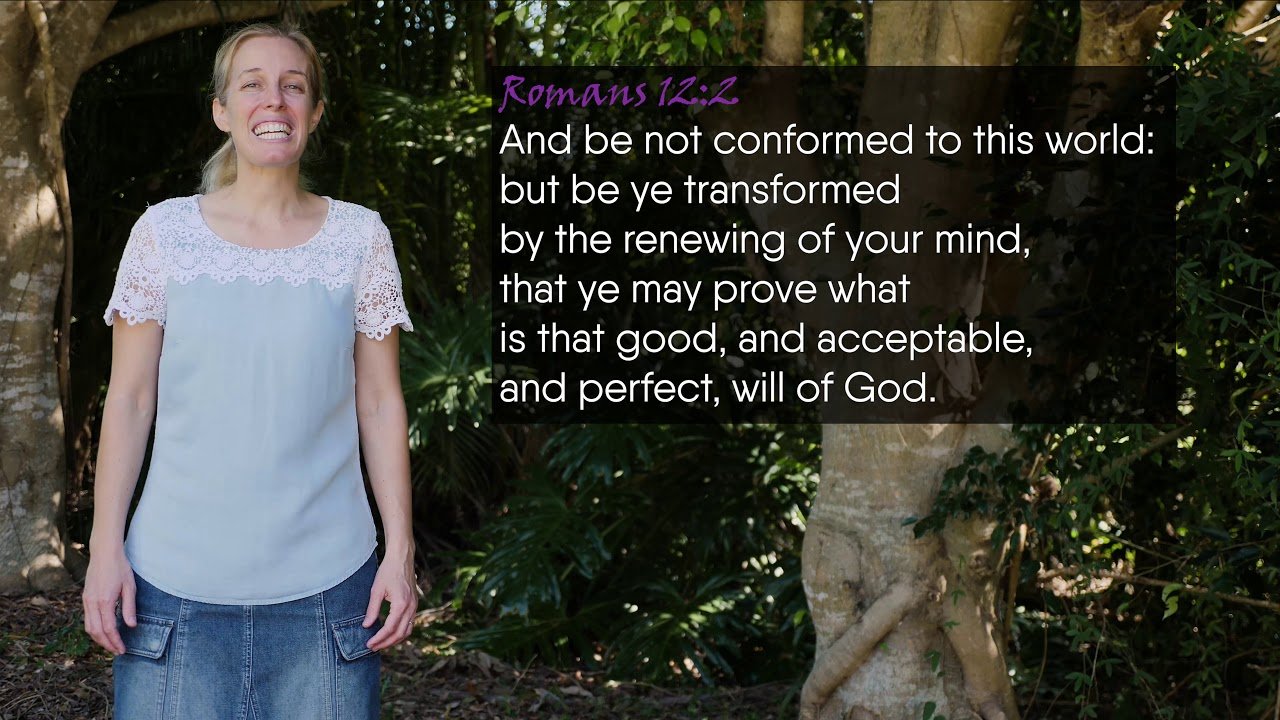
“And be not conformed to this world: but be ye transformed by the renewing of your mind…” — Romans 12:2
________________________________________
Introduction
This lesson develops a theological and ethical reflection on the believer’s identity in God and the ongoing tension between spiritual allegiance and worldly influence. It addresses the gradual erosion of spiritual distinctiveness that occurs when individuals fail to guard their lives against cultural, moral, and ideological conformity to the world.
The core concern is identity formation: whether human identity is anchored in God as Creator and Redeemer, or shaped by transient worldly systems that promote self-centeredness, moral compromise, and spiritual disorientation. The message emphasizes vigilance, spiritual discipline, and intentional alignment with divine truth as essential to sustaining a faithful Christian life.
It further presents the world as a system that competes for allegiance, offering temporary gratification but ultimately leading to spiritual emptiness. In contrast, God is presented as the only secure source of identity, purpose, holiness, and eternal life.

________________________________________
Identity Rooted in God as Creator and Sustainer
“I have made thee, and I will bear; even I will carry, and will deliver you.” — Isaiah 46:4
Human identity, from a biblical perspective, is fundamentally derived from God. He is not only Creator but also Sustainer and Preserver of life. To seek identity apart from Him is to adopt a fragmented understanding of existence.
When identity is grounded in God, individuals gain clarity of purpose, moral direction, and spiritual stability. This identity is not self-constructed but divinely given, calling believers into alignment with God’s will rather than cultural expectation.
________________________________________
The Subtle Infiltration of Worldliness
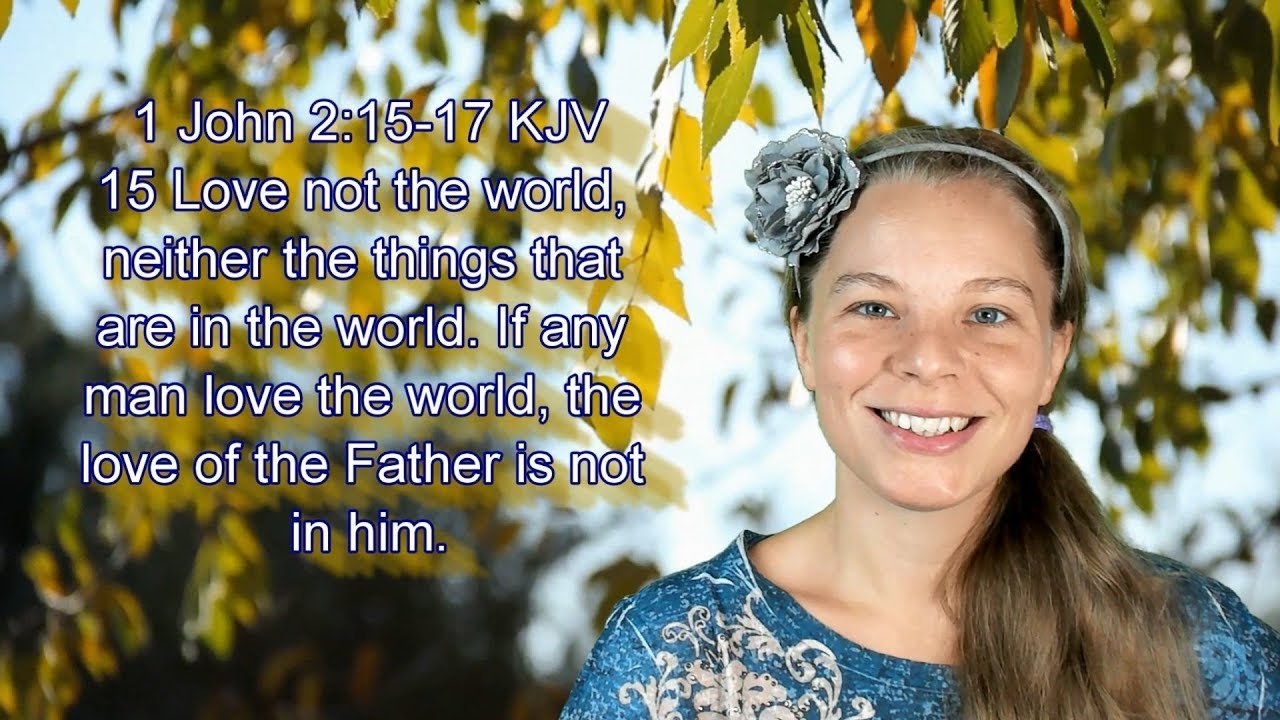
“Love not the world, neither the things that are in the world…” — 1 John 2:15
Worldliness does not always appear as overt rebellion; it often enters subtly through values, priorities, and cultural normalization. Over time, these influences reshape moral perception and weaken spiritual sensitivity.
The danger lies in gradual accommodation rather than immediate rejection. When believers fail to maintain spiritual vigilance, worldly values begin to replace divine principles, resulting in compromised identity and diminished spiritual clarity.
________________________________________
The Danger of Spiritual Negligence and Drift
“Take heed, brethren, lest there be in any of you an evil heart of unbelief…” — Hebrews 3:12
Spiritual drift is a progressive condition. It begins with small compromises and ends in significant deviation from truth. Neglecting spiritual disciplines such as prayer, scriptural engagement, and obedience creates vulnerability to external influences.
This condition leads to diminished discernment and eventual acceptance of values that contradict divine instruction. The result is a life that appears externally functional but is internally disconnected from spiritual vitality.
________________________________________
The Temporary Nature of Worldly Systems
“For what is a man profited, if he shall gain the whole world, and lose his own soul?” — Matthew 16:26
Worldly systems are inherently temporary and unstable. They offer identity through achievement, status, and material accumulation, yet they cannot sustain spiritual fulfillment or eternal significance.
The pursuit of worldly validation often results in existential dissatisfaction. This is because such systems are not designed to address the deeper spiritual needs of humanity, which are only met through communion with God.
________________________________________
The Believer as a Pilgrim in a Transient World
“For here have we no continuing city, but we seek one to come.” — Hebrews 13:14
The biblical worldview presents believers as pilgrims rather than permanent residents of this world. This perspective reorients priorities away from temporal satisfaction toward eternal purpose.
Living as a pilgrim involves detachment from worldly dependence and commitment to divine direction. It also involves acceptance of misunderstanding or rejection by the world due to differing values and spiritual allegiance.
________________________________________
Discernment Between Divine Guidance and Deception
“Beloved, believe not every spirit, but try the spirits whether they are of God…” — 1 John 4:1
Discernment is essential in distinguishing divine guidance from deceptive influences. Not all internal impulses or external teachings align with truth, and believers are called to test spiritual influences against the standard of God’s Word.
Divine guidance leads to life, order, and holiness. Deceptive influences lead to confusion, moral distortion, and spiritual bondage. The believer’s safety depends on consistent alignment with God’s truth through the Holy Spirit.
________________________________________
Holiness as a Reflection of Divine Nature
“Be ye holy; for I am holy.” — 1 Peter 1:16
Holiness is not merely moral behavior but a reflection of God’s character in human life. It represents separation from sin and dedication to God’s purposes.
A life aligned with God is marked by integrity, purity, and intentional obedience. Conversely, compromise with sin reflects misalignment with divine identity and purpose.
________________________________________
The Futility of Self-Centered Living
“There is a way which seemeth right unto a man, but the end thereof are the ways of death.” — Proverbs 14:12
Self-centered living creates the illusion of autonomy but ultimately leads to spiritual disintegration. Human reasoning, when detached from divine wisdom, becomes limited and prone to error.
This path often appears attractive due to its promise of independence and control, but its outcome is instability and loss of spiritual direction.
________________________________________
The Sufficiency of God for True Fulfillment
“The Lord is my shepherd; I shall not want.” — Psalm 23:1
True fulfillment is found in dependence on God. Unlike worldly systems that offer temporary satisfaction, God provides enduring peace, purpose, and provision.
Those who align their lives with God experience stability even amid uncertainty, because their foundation is not circumstantial but spiritual.
________________________________________
Summary
This lesson emphasizes that human identity must remain anchored in God to avoid spiritual compromise and moral drift. It highlights the subtle influence of worldliness, the danger of spiritual negligence, and the emptiness of self-centered living. In contrast, it affirms that life in God produces holiness, clarity, stability, and eternal purpose.
________________________________________
Conclusion
The central truth is that identity apart from God leads to instability and deception, while identity rooted in God produces spiritual clarity and fulfillment. Believers are called to remain vigilant, discerning, and committed to holiness in a world that constantly pressures them toward conformity.
________________________________________
Call to Action
This teaching calls for intentional self-examination regarding sources of identity and influence. It urges believers to reject worldly conformity, strengthen spiritual disciplines, and actively pursue alignment with God’s Word and Spirit. A renewed commitment to holiness and discernment is essential for spiritual preservation.
________________________________________
Final Word of Encouragement
Despite the pressures of the world, God remains a stable and faithful foundation for those who seek Him. Identity rooted in Him cannot be shaken by cultural change or external pressure. Those who remain in Him are continually guided, preserved, and strengthened.
________________________________________
Salvation Prayer
Lord Jesus Christ, I acknowledge that I need You. I recognize that I have not always lived according to Your will. I repent of my sins and turn away from every path that is not aligned with You.
I believe that You died for my sins and rose again for my salvation. I receive You as my Lord and Savior. Wash me and make me new. Fill me with Your Holy Spirit and lead me in truth and righteousness.
From this day forward, I choose to follow You. In Jesus’ name I pray. Amen.

















Leave a Comment