

LIVING IN CONTINUAL DEPENDENCE ON GOD: ABIDING, TRUST, AND DIVINE SUSTENANCE IN A TROUBLED WORLD By: Major Frank Materu
________________________________________
KEY SCRIPTURE
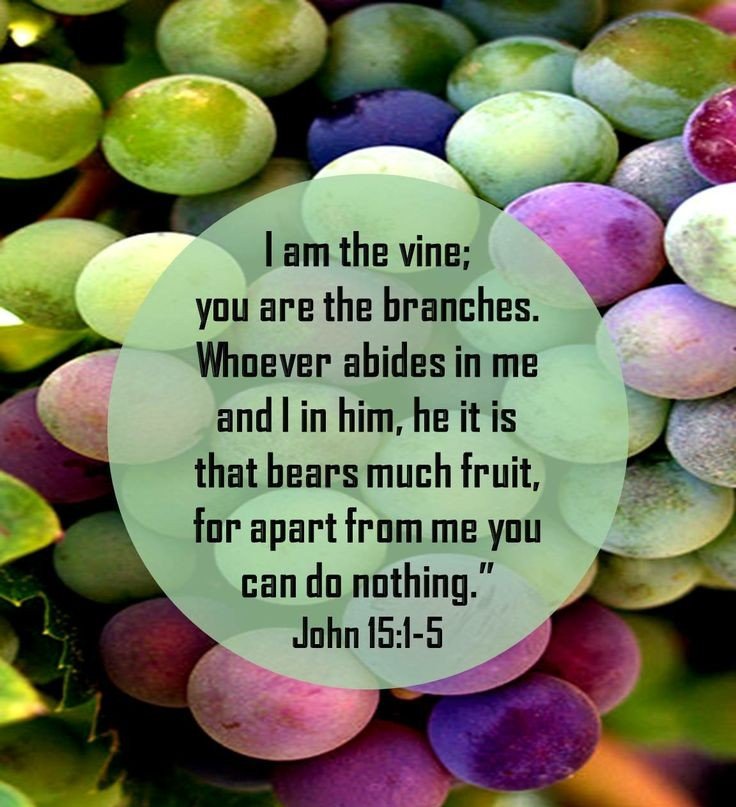
“Abide in Me, and I in you. As the branch cannot bear fruit of itself, except it abide in the vine; no more can you, except you abide in Me.” — John 15:4
________________________________________
INTRODUCTION: THE CALL TO CONTINUAL ABIDING AND DIVINE DEPENDENCE
The central thrust of the divine instruction is a sustained call to remain in uninterrupted spiritual union with God. This is not presented as an occasional devotional exercise, but as a continuous existential posture in which the believer anchors every aspect of life—thoughts, decisions, emotional responses, and spiritual direction—in God’s sustaining presence.
Human life, in its natural condition, is vulnerable to instability. Circumstances shift, social systems collapse, personal strength fails, and external pressures intensify. In contrast, the divine life offered through relationship with God is presented as stable, sufficient, and unchanging. The message emphasizes that God remains the provider, protector, and vindicator of His people, and that reliance on Him must not be intermittent but constant.
A major spiritual conflict highlighted is the tension between trust in God and reliance on worldly systems. The world operates through fear, deception, and instability, often producing despair and spiritual confusion. In contrast, God’s kingdom operates through truth, peace, and sustaining grace. Believers are therefore called to disengage from fear-driven systems and consciously re-anchor themselves in divine truth.
This lesson develops the theological and practical implications of abiding in God, resisting fear, rejecting worldly dependence, and living in the confidence of divine provision and protection.
________________________________________
ABIDING AS THE FOUNDATION OF SPIRITUAL LIFE
Abiding in God is not symbolic language; it represents sustained relational continuity. It implies dependence, communion, obedience, and alignment. The believer is not designed to function independently of God, just as a branch cannot survive apart from the vine.
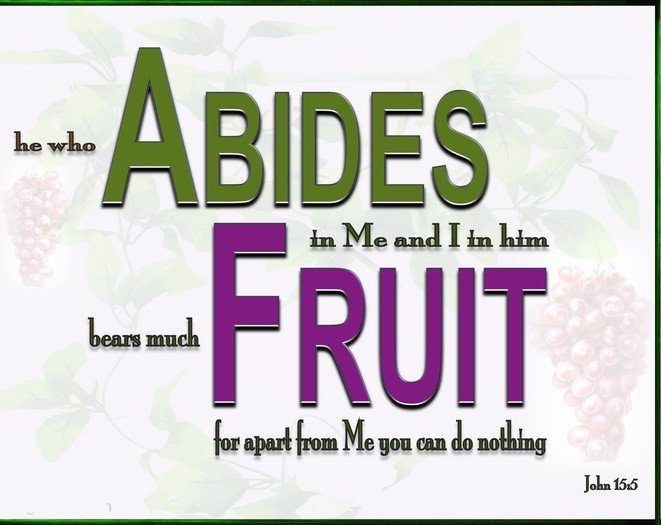
“He that abideth in Me, and I in him, the same bringeth forth much fruit: for without Me ye can do nothing.” — John 15:5
Spiritual productivity, emotional stability, and moral strength are direct outcomes of abiding. When the believer disconnects, vulnerability increases—not merely in external circumstances, but in internal spiritual decay.
Abiding also means resisting substitutional dependencies. These include reliance on human approval, material security, and self-sufficiency. The instruction is clear: any substitute for divine dependence ultimately produces spiritual instability.
________________________________________
DIVINE PROVISION AND THE END OF SPIRITUAL ANXIETY
A core assurance is that God functions as provider in all dimensions of life. Provision is not limited to material supply but extends to wisdom, peace, guidance, and strength.
“But my God shall supply all your need according to His riches in glory by Christ Jesus.” — Philippians 4:19
Fear often emerges when provision is perceived as uncertain. The world reinforces this through instability narratives, economic pressure, and survival-based thinking. However, the divine framework replaces anxiety with trust grounded in God’s character.
Provision is therefore relational before it is material. Those who abide in God experience provision as a byproduct of proximity, not as a struggle for survival.
________________________________________
THE DECEPTION AND LIMITATIONS OF WORLDLY TRUST
A major contrast is drawn between reliance on God and reliance on the world. World systems are characterized by vanity, instability, and deception. Trust placed in them inevitably leads to disappointment.
“Cursed is the man that trusteth in man, and maketh flesh his arm, and whose heart departeth from the Lord.” — Jeremiah 17:5
The issue is not merely external failure but internal spiritual displacement. When trust shifts away from God, the heart gradually becomes misaligned, producing fear, confusion, and spiritual dryness.
The instruction is therefore corrective: believers must consciously disengage from the illusion of security offered by systems that are not grounded in divine truth.
________________________________________
FEAR AS A CONTROL MECHANISM AND ITS SPIRITUAL CONSEQUENCES
Fear is presented not merely as an emotion but as a controlling spiritual force that dominates those disconnected from divine truth. It distorts perception, weakens faith, and produces paralysis in decision-making.
“For God hath not given us the spirit of fear; but of power, and of love, and of a sound mind.” — 2 Timothy 1:7
Fear-driven existence is described as bondage. It produces a cycle in which individuals anticipate disaster, interpret events negatively, and lose capacity for spiritual clarity.
In contrast, divine life produces soundness of mind. This means clarity, stability, and spiritual discernment even in unstable environments.

________________________________________
DIVINE PROTECTION IN THE MIDST OF GLOBAL INSTABILITY
Protection is not defined as absence of adversity but as divine covering within adversity. The believer is not exempt from witnessing global turbulence, but is preserved within it.
“He that dwelleth in the secret place of the Most High shall abide under the shadow of the Almighty.” — Psalm 91:1
This protection is relational—“dwelling” and “abiding” are conditions. The emphasis is that safety is found in spiritual positioning, not in environmental control.
Even when calamities occur globally, divine covering distinguishes those who are anchored in God from those who are not.
________________________________________
THE CALL TO SPIRITUAL FOCUS AND SINGLE-MINDEDNESS
A divided focus produces instability. The instruction is to maintain a singular spiritual gaze directed toward God, avoiding distraction by worldly fear narratives or destructive influences.
“Thou wilt keep him in perfect peace, whose mind is stayed on Thee: because he trusteth in Thee.” — Isaiah 26:3
Peace is therefore not circumstantial; it is cognitive and spiritual alignment. A stabilized mind results from sustained trust.
When attention is fragmented, fear multiplies. When attention is centered, peace stabilizes.
________________________________________
DIVINE VINDICATION AND THE LIMITS OF HUMAN JUDGMENT
Believers are reminded that justice ultimately belongs to God. Vindication is not achieved through retaliation but through divine intervention and timing.
“Vengeance is Mine; I will repay, saith the Lord.” — Romans 12:19
This principle removes the burden of revenge and emotional retaliation. It places justice within divine governance, allowing believers to remain spiritually stable rather than reactive.
Divine vindication also reassures the believer that injustice is not permanent; it is subject to higher judgment.
________________________________________
ABIDING IN GRATITUDE AND SPIRITUAL STABILITY
Gratitude is presented as a stabilizing spiritual discipline. It shifts attention from deficiency to divine sufficiency.
“In every thing give thanks: for this is the will of God in Christ Jesus concerning you.” — 1 Thessalonians 5:18
Gratitude interrupts fear cycles. It reorients perception from threat-based thinking to provision-based awareness.
A grateful believer is less vulnerable to manipulation, anxiety, and despair because their interpretation of reality is anchored in divine goodness.
________________________________________
SUMMARY
This teaching establishes that spiritual life is fundamentally dependent on continual abiding in God. Fear, worldly dependence, and spiritual distraction lead to instability, while trust, gratitude, and divine focus produce peace and resilience. God is consistently portrayed as provider, protector, and vindicator, ensuring that those who remain in Him are sustained even in global uncertainty.
________________________________________
CONCLUSION
The consistent spiritual principle is that separation from God produces vulnerability, while abiding produces stability. The believer is called to reject fear-based systems, disengage from worldly dependency, and maintain unwavering trust in divine provision and protection.
Spiritual maturity is demonstrated not by avoidance of challenges but by sustained communion with God within them. The stability of life is therefore not external but relational—rooted in continuous abiding.
________________________________________
CALL TO ACTION
The believer is instructed to consciously evaluate the focus of daily life. Any attachment that competes with dependence on God must be re-aligned. This includes fear-driven thinking, excessive reliance on human systems, and emotional reactions shaped by instability.
A deliberate decision is required to remain anchored in prayer, scripture engagement, and obedient responsiveness to divine guidance. Spiritual focus must be actively maintained rather than assumed.
________________________________________
FINAL WORD OF ENCOURAGEMENT
Stability is not found in the absence of storms but in the presence of God within them. Those who remain anchored in Him will not be abandoned, forgotten, or overwhelmed. Divine presence remains constant even when circumstances fluctuate.
The enduring truth is simple: those who abide are sustained, those who trust are preserved, and those who remain in God will not be shaken.
________________________________________
SALVATION PRAYER
Lord God, I come before You acknowledging that I need Your mercy and grace. I confess that I have not always trusted You fully, and I have allowed fear and worldly thinking to influence my life. I ask for forgiveness through Your Son Jesus Christ.
I believe that Jesus Christ died for my sins and rose again for my salvation. I receive Him now as my Lord and Savior. Cleanse me, renew me, and fill me with Your Holy Spirit.
Teach me to abide in You daily, to trust You completely, and to walk in Your truth. Establish my life in Your peace and make me Yours forever. In Jesus’ name I pray. Amen.















Leave a Comment