

THE POWER OF THE LOW PLACE: WALKING IN HUMILITY, UNITY, AND TRUE AUTHORITY By: Major Frank Materu
Key Scripture:
“Let nothing be done through strife or vainglory; but in lowliness of mind let each esteem other better than themselves.” — Philippians 2:3
________________________________________
INTRODUCTION
In a world driven by recognition, competition, and self-promotion, the call to humility stands as one of the most radical and countercultural demands of the Kingdom of God. Humanity has been conditioned to pursue elevation, status, and visibility, often at the expense of others. Yet the voice of God calls His people in the opposite direction—toward the low place, toward service, toward preferring others above themselves.
This lesson explores a divine principle that is both foundational and transformative: the principle of humility as the gateway to true authority, unity, and spiritual alignment. God is not impressed by self-exaltation, nor does He entrust His power to those who seek recognition. Instead, He watches the heart, examining motives, attitudes, and the willingness to serve without applause.
The message is clear: those who desire to walk with God must abandon the pursuit of personal elevation and embrace the posture of a servant. The low place is not a place of weakness; it is the place where God Himself lifts, establishes, and empowers. It is where the Holy Spirit leads, where unity is preserved, and where true greatness is defined according to heaven’s standards.
This teaching will uncover the dangers of pride, the deception of self-centered Christianity, the importance of unity, and the role of humility in families, communities, and the Body of Christ. It will challenge deeply rooted attitudes and call for a genuine alignment with the Spirit of God.
________________________________________
THE PRINCIPLE OF PREFERRING OTHERS
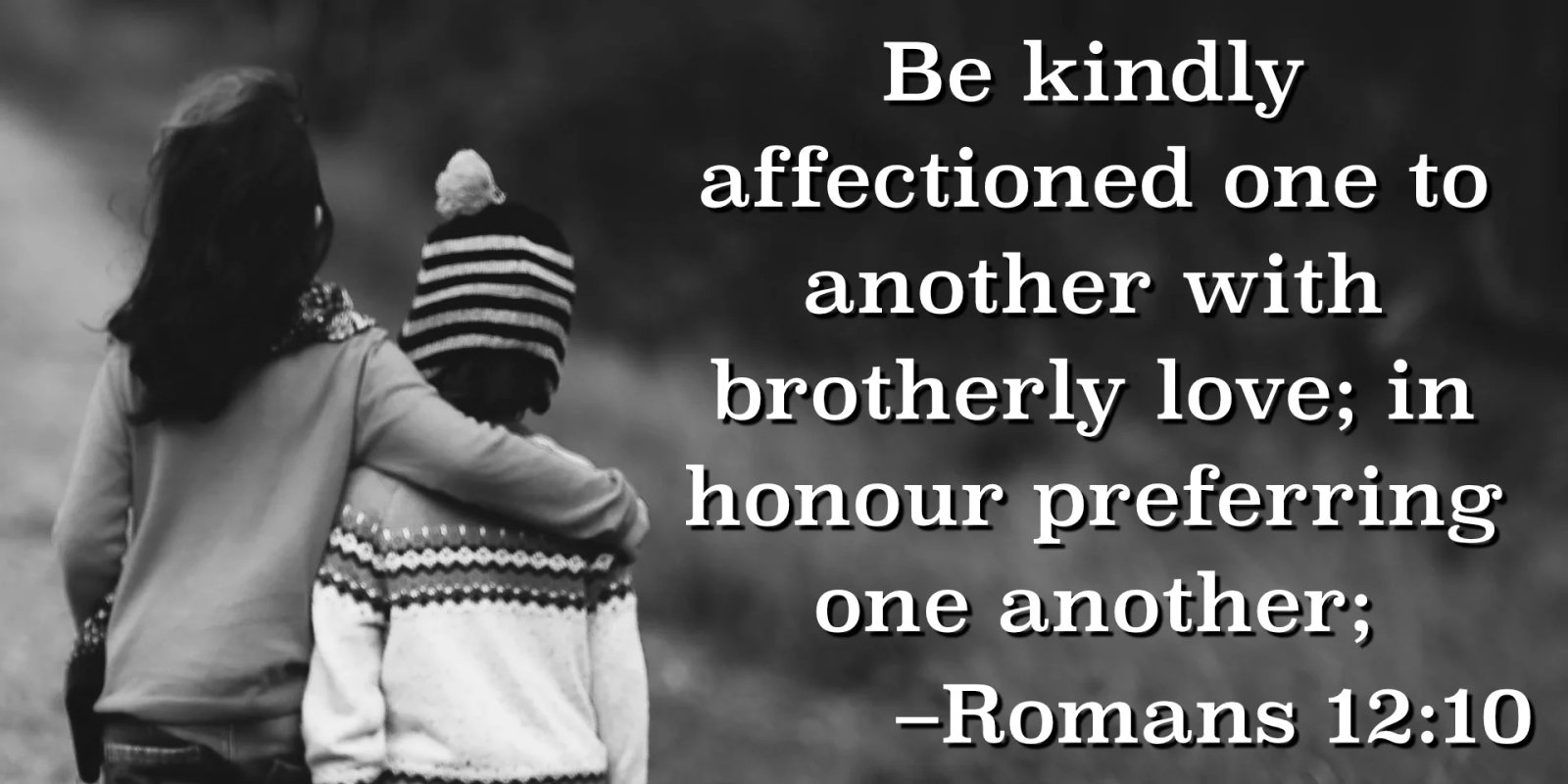
“Be kindly affectioned one to another with brotherly love; in honour preferring one another.” — Romans 12:10
________________________________________
The Kingdom of God operates on principles that contradict human instincts. One of the clearest of these is the command to prefer others above oneself. This is not a suggestion; it is a spiritual law that governs relationships within God’s Kingdom.
Preferring others requires a deliberate choice to value their needs, dignity, and well-being above personal ambition. It means stepping back when the flesh demands recognition. It means celebrating others without envy. It means serving without expecting reward.
Many claim to love God, yet their actions reveal a deep attachment to self-interest. They seek position, influence, and acknowledgment. Such attitudes disrupt unity and hinder the flow of God’s Spirit. True love, however, does not compete—it serves.
When believers begin to genuinely prefer one another, something powerful happens: unity is established. And where unity exists, God commands His blessing. Division, strife, and competition are replaced with harmony, cooperation, and mutual respect.
________________________________________
THE DANGER OF SEEKING THE HIGH PLACE
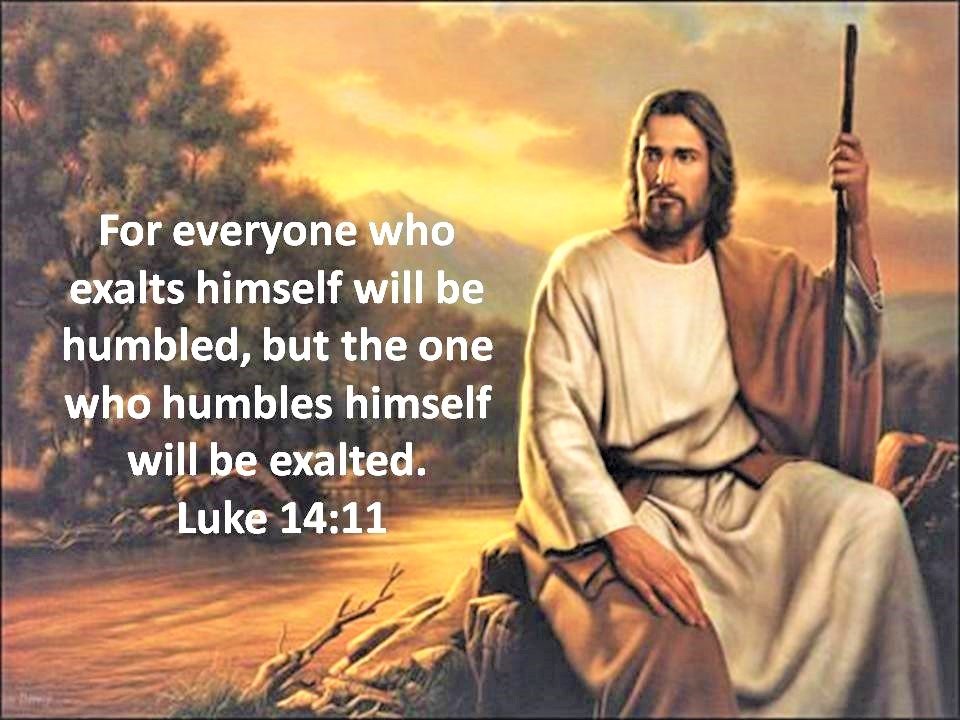
“For whosoever exalteth himself shall be abased; and he that humbleth himself shall be exalted.” — Luke 14:11
________________________________________
The desire to be seen, recognized, and elevated is deeply rooted in human nature. Yet this desire, when unchecked, becomes a doorway to pride—a force that separates individuals from God and from one another.
Those who constantly seek the high place reveal a misunderstanding of how God operates. Elevation in God’s Kingdom is not achieved through striving; it is granted by God Himself. When a person exalts themselves, they position themselves outside of divine order.
Self-promotion often comes with hidden consequences. It breeds insecurity, comparison, and competition. It leads individuals to tear others down in order to appear greater. Such behavior is not only destructive but also spiritually dangerous.
God resists the proud. This means that no matter how talented or gifted a person may be, pride will block their progress. On the other hand, humility attracts God’s favor. The one who willingly takes the low place will eventually be lifted—not by human hands, but by God Himself.
________________________________________
TRUE AUTHORITY IS FOUND IN SERVANTHOOD
“But he that is greatest among you shall be your servant.” — Matthew 23:11
________________________________________
Authority in the Kingdom of God is not about control, dominance, or visibility. It is about responsibility, service, and obedience. Jesus Himself demonstrated this principle by living a life of complete submission to the Father and total service to humanity.
He did not seek recognition. He did not promote Himself. Instead, He gave Himself—continually, sacrificially, and willingly. His authority was rooted in His obedience and humility.
Those who truly carry authority in God are not the loudest or the most visible. They are the ones who serve faithfully, often unnoticed. They do not boast or draw attention to themselves. Their lives speak louder than their words.
A person who constantly needs to prove their greatness is operating from insecurity and pride. In contrast, one who walks in true authority does not need validation. They are secure in their identity and focused on fulfilling God’s will.
________________________________________
THE ROLE OF THE HOLY SPIRIT IN HUMILITY
“Howbeit when he, the Spirit of truth, is come, he will guide you into all truth.” — John 16:13
________________________________________
Humility is not something that can be fully achieved through human effort. It is a work of the Holy Spirit within the heart of a believer. The Spirit reveals motives, corrects attitudes, and leads individuals into alignment with God’s will.
When a person chooses the low place, they create space for the Holy Spirit to operate. They become teachable, sensitive, and responsive to divine guidance. Their decisions are no longer driven by ego but by obedience.
The Holy Spirit does not lead individuals into self-exaltation. He leads them into truth, service, and surrender. Those who resist humility often resist the Spirit, choosing independence over submission.
True spiritual growth occurs when a believer yields to the Spirit daily, allowing Him to shape their character and direct their steps. This is the path to becoming like Jesus.
________________________________________
PRIDE AND ITS DESTRUCTIVE CONSEQUENCES
“Pride goeth before destruction, and an haughty spirit before a fall.” — Proverbs 16:18
________________________________________
Pride is not a minor flaw; it is a destructive force that has devastating consequences. It blinds individuals to their own faults while magnifying the faults of others. It creates division, breaks relationships, and leads to isolation.
Many of the tragedies seen in families and communities today can be traced back to pride. Marriages collapse because individuals refuse to humble themselves. Relationships are destroyed because people would rather be right than be reconciled.
Pride also affects spiritual life. It prevents repentance, blocks forgiveness, and hinders growth. A person who refuses to acknowledge their need for change will remain stagnant.
The consequences of pride are often painful and long-lasting. Broken families, wounded children, and fractured communities are evidence of its impact. Yet all of this can be avoided through one simple act: humility.
________________________________________
HUMILITY IN FAMILY AND RELATIONSHIPS
“Submitting yourselves one to another in the fear of God.” — Ephesians 5:21
________________________________________
The family is one of the primary places where humility must be practiced. It is within the home that character is tested and relationships are formed. When humility is absent, conflict becomes inevitable.
Many families suffer because individuals prioritize pride over unity. They refuse to apologize, to forgive, or to compromise. This creates an environment of tension and instability, affecting not only the couple but also the children.
Children need stability. They need to see love, unity, and mutual respect between their parents. When parents humble themselves and choose reconciliation, they create a secure and nurturing environment.
Humility in the family is not about weakness; it is about strength. It takes strength to admit wrong, to ask for forgiveness, and to put the needs of others above one’s own.
________________________________________
THE CALL TO UNITY IN THE BODY OF CHRIST
“Endeavouring to keep the unity of the Spirit in the bond of peace.” — Ephesians 4:3
________________________________________
Unity is essential for the effective functioning of the Body of Christ. Without it, progress is hindered, and the testimony of the Church is weakened.
God calls His people to live in harmony, working together for a common purpose. This requires humility, patience, and a willingness to overlook faults. No one is perfect, and no one has complete understanding.
When believers focus on their differences rather than their shared purpose, division arises. But when they choose humility and unity, they reflect the nature of Christ.
Unity does not mean uniformity. It means different individuals working together in harmony, each contributing their unique gifts for the benefit of all.
________________________________________
SUMMARY
This lesson has revealed that humility is not optional in the life of a believer—it is essential. Preferring others, rejecting pride, embracing servant leadership, and yielding to the Holy Spirit are all critical components of a life that pleases God.
Pride leads to destruction, while humility leads to elevation. Selfishness creates division, while humility fosters unity. The choice between the two determines not only personal outcomes but also the health of relationships and communities.

________________________________________
CONCLUSION
God is calling His people back to the foundation of humility. In a world that glorifies self, He is looking for those who will choose the low place. Those who do will experience His guidance, His favor, and His true authority.
The low place is not a place of loss; it is a place of transformation. It is where God shapes character, builds relationships, and prepares individuals for greater responsibility.
________________________________________
CALL TO ACTION
Examine your heart honestly. Identify areas where pride has taken root. Make a conscious decision to humble yourself before God and others. Choose to serve, to forgive, and to prefer others above yourself.
Invite the Holy Spirit to search your motives and to guide your actions. Commit to walking in humility daily, regardless of circumstances.
________________________________________
FINAL WORD OF ENCOURAGEMENT
You do not need to strive for recognition or position. God sees your humility, your service, and your obedience. In His perfect time, He will lift you up.
There is great joy in serving, great peace in humility, and great fulfillment in walking according to God’s will. Stay faithful, stay humble, and trust God with your life.
________________________________________
SALVATION PRAYER
Lord Jesus Christ,
I come before You today with a humble heart. I acknowledge that I have sinned and fallen short of Your glory. I repent of my pride, my selfishness, and my disobedience.
I believe that You died for my sins and rose again for my salvation. Today, I surrender my life to You. Be my Lord and Savior. Fill me with Your Holy Spirit and teach me to walk in humility and obedience.
Help me to love others, to serve faithfully, and to live according to Your will. From this day forward, I choose to follow You.
Thank You for Your forgiveness, Your mercy, and Your grace.
In Jesus’ name,
Amen.





















Leave a Comment