

UNASHAMED, UNDIVIDED, AND UNCOMPROMISING: A CALL TO SINCERE IDENTIFICATION WITH CHRIST By: Major Frank Materu
Key Scripture:
“If any man will come after me, let him deny himself, and take up his cross daily, and follow me.” — Luke 9:23
________________________________________
Introduction
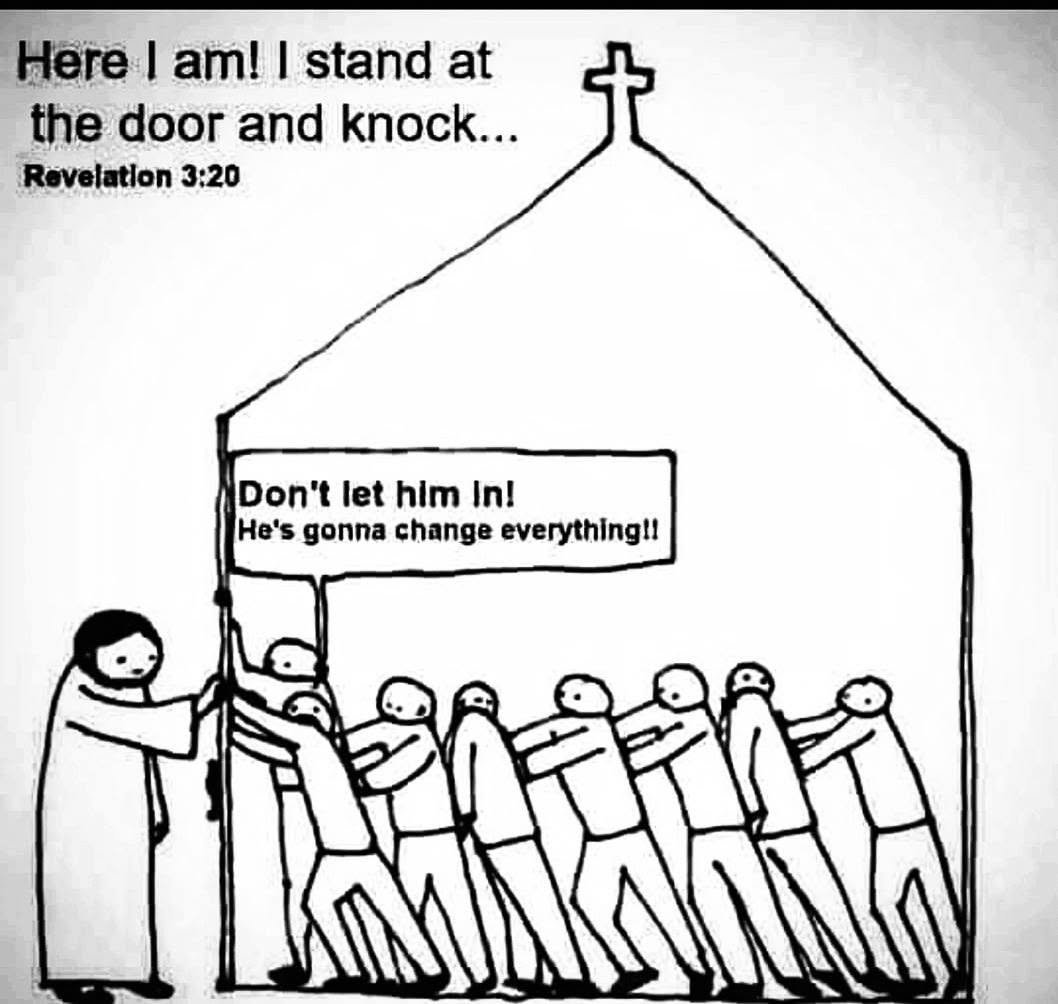
In every generation, the call of God remains clear, uncompromising, and eternal: His people are to be identified fully with His Son. This identification is not symbolic, superficial, or seasonal. It is relational, sacrificial, and transformative. Yet in these times, there are multitudes who invoke the name of Jesus while refusing the life that He requires. They desire association without surrender, appearance without obedience, and religion without relationship.
The Lord warns His people not to be ashamed of being identified with His Son. Shame manifests in subtle compromises, selective obedience, and silent retreat when discipleship becomes costly. The temptation to soften commitment for acceptance is strong in a culture that celebrates self-exaltation and material prosperity. Many prefer a version of faith that promises comfort without cost and success without suffering. However, the authentic Gospel confronts self-indulgence and calls for self-denial.
Jesus Himself made the terms of discipleship unmistakably clear. To follow Him is to die to oneself, to take up the cross daily, and to walk in His steps. The cross is not decorative; it is definitive. It represents surrender of personal ambition, renunciation of pride, and willingness to endure suffering for righteousness’ sake. Those who refuse the cross may carry the name of Christian, but they lack the essence of Christ.
This lesson explores the seriousness of being unashamed of Christ, the danger of religious pretension, the call to live repentantly under the Holy Spirit’s direction, the deception of materialism, and the eternal consequences of our choices. It is a solemn yet hopeful exhortation to live sincerely before God, choosing eternal treasure over temporary applause.
________________________________________
The Call to Be Unashamed of Christ
________________________________________
To be unashamed of Christ is to embrace public and private identification with Him, regardless of cost. Jesus warned, “For whosoever shall be ashamed of me and of my words, of him shall the Son of man be ashamed” (Luke 9:26). This declaration reveals the seriousness of divided loyalty. The believer cannot separate Christ’s name from Christ’s nature.
The apostle Paul declared with boldness, “For I am not ashamed of the gospel of Christ: for it is the power of God unto salvation” (Romans 1:16). His courage was rooted not in personal strength but in conviction of eternal truth. Paul endured imprisonment, persecution, and hardship because his identity was inseparable from Christ.
In contrast, many seek to avoid the discomfort that association with Christ may bring. They prefer social acceptance over spiritual authenticity. Yet discipleship demands clarity of allegiance. “No man can serve two masters” (Matthew 6:24). To serve Christ is to forsake the pursuit of human approval when it conflicts with divine will.
Identification with Christ includes identification with His sufferings. Scripture affirms, “If we suffer with him, we shall also reign with him” (2 Timothy 2:12). Suffering does not diminish worthiness; it confirms it. Those who embrace the cross demonstrate that their faith is not theoretical but lived.

________________________________________
The Danger of Religious Pretension
________________________________________
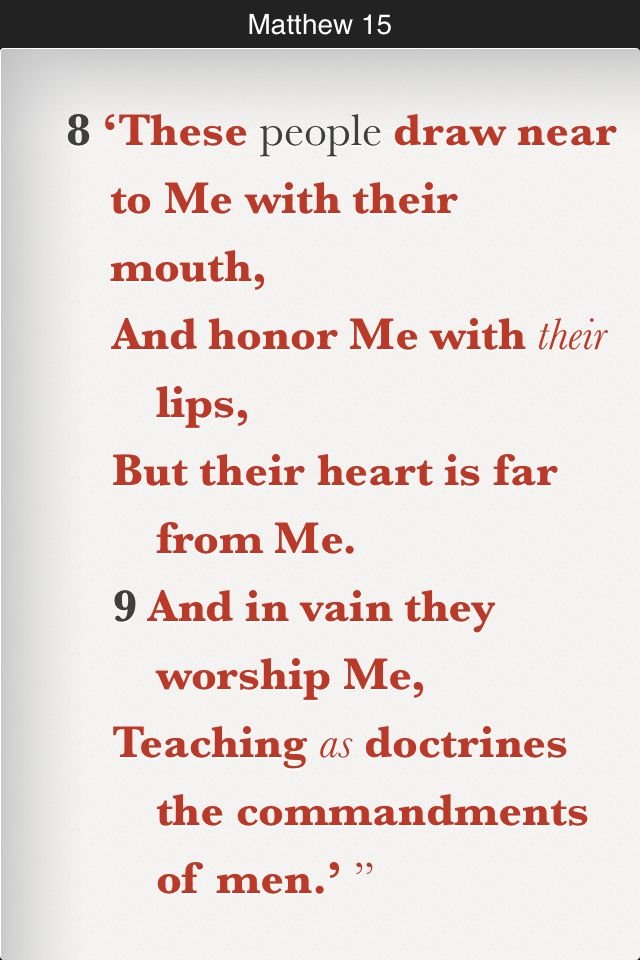
Religious pretension is among the most subtle deceptions of the human heart. It allows individuals to believe they are pleasing God while living under worldly direction. Jesus rebuked such hypocrisy, saying, “This people draweth nigh unto me with their mouth, and honoureth me with their lips; but their heart is far from me” (Matthew 15:8).
Pretenders are satisfied with projection rather than transformation. They labor to construct an image that impresses others, yet neglect the cultivation of intimacy with God. Their ambition is fueled by vanity, and their devotion is measured by public recognition rather than private obedience.
The apostle Paul warned of those “having a form of godliness, but denying the power thereof” (2 Timothy 3:5). Form without power is emptiness. Religion without relationship is futility. God does not find pleasure in performance divorced from sincerity.
To live in pretension is to labor in vain. Scripture declares, “Except the Lord build the house, they labour in vain that build it” (Psalm 127:1). When ambition replaces obedience, efforts yield no eternal fruit. The applause of people fades quickly, and earthly accolades cannot withstand divine scrutiny.
The Lord desires truth in the inward parts. He searches motives, examines intentions, and weighs the sincerity of devotion. Pretension may deceive observers, but it cannot deceive God.
________________________________________
The Cost of Self-Denial and the Cross
________________________________________
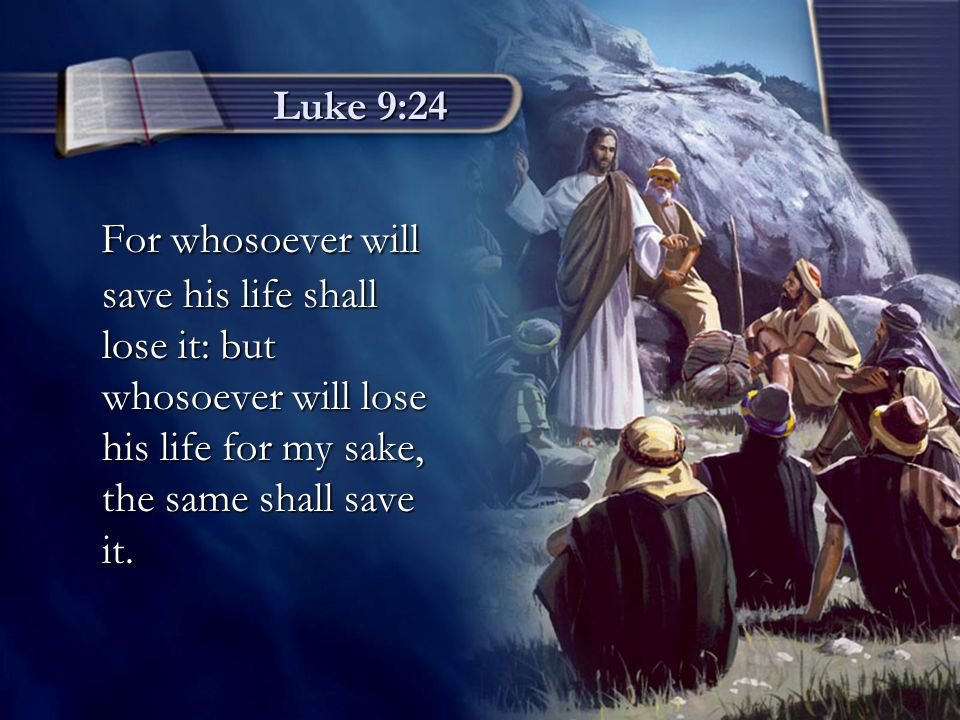
True discipleship demands self-denial. Jesus declared, “Whosoever will save his life shall lose it: but whosoever will lose his life for my sake, the same shall save it” (Luke 9:24). This paradox confronts the natural inclination toward self-preservation.
Many desire the blessings of Christ without surrendering control. They want eternal security while clinging to temporal ambitions. Yet the Lord calls His followers to relinquish personal agendas. To die to self is to renounce pride, ambition, and self-centered desires.
The cross represents more than suffering; it symbolizes submission. It signifies trust in God’s purposes even when they contradict personal preference. Those who refuse the cross ultimately preserve nothing. Jesus asked, “For what is a man advantaged, if he gain the whole world, and lose himself?” (Luke 9:25).
Those who insist on maintaining their former identity risk spiritual desolation. When individuals stand before God having pursued worldly riches at the expense of obedience, they will discover that such riches hold no eternal value. Earthly wealth cannot purchase divine approval.
________________________________________
Living Repentantly and Under the Spirit’s Direction
________________________________________
Repentance is not a singular event but a continual posture of transformation. To receive the Gospel is to enter a new life, and that life must be shaped by ongoing surrender. Scripture declares, “As many as are led by the Spirit of God, they are the sons of God” (Romans 8:14).
Living repentantly requires willingness to change. It demands abandonment of former patterns and acceptance of divine correction. To claim repentance without change is self-deception. The evidence of repentance is obedience.
The believer must resist living according to imagination or self-determined ambition. “Trust in the Lord with all thine heart; and lean not unto thine own understanding” (Proverbs 3:5). Self-reliance leads to error; Spirit-dependence leads to truth.
Inviting the Holy Spirit to search the heart daily safeguards sincerity. The psalmist prayed, “Search me, O God, and know my heart” (Psalm 139:23). Such prayer reflects humility and openness to divine refinement.
When the Spirit exposes motives contrary to God’s will, correction should be welcomed rather than resisted. This process produces joy rooted in obedience rather than regret born of vanity.
________________________________________
The Deception of Materialism and the Myth of “Best Life Now”
________________________________________
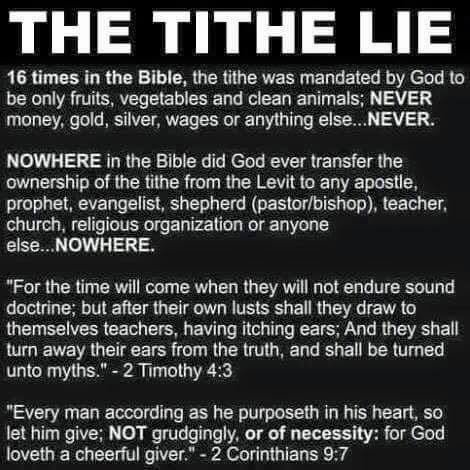
The pursuit of “the biggest, the best, and the most” defines much of contemporary culture. Some have distorted godliness into a means of financial gain. Scripture warns against this deception, stating, “Supposing that gain is godliness: from such withdraw thyself” (1 Timothy 6:5).
The love of money corrupts spiritual discernment. “For the love of money is the root of all evil” (1 Timothy 6:10). Material wealth, though not inherently sinful, becomes destructive when trusted as security or pursued as ultimate purpose.
Jesus commanded, “Lay not up for yourselves treasures upon earth… But lay up for yourselves treasures in heaven” (Matthew 6:19–20). Earthly riches are temporary; heavenly rewards endure. Those who anchor hope in material prosperity risk eternal disappointment.
Contentment reflects trust in divine provision. Paul testified, “I have learned, in whatsoever state I am, therewith to be content” (Philippians 4:11). God provides for His people according to His wisdom, not according to greed. Dissatisfaction often reveals misplaced desire.
The promise of immediate gratification cannot compare with eternal fellowship with God. To trade eternity for temporary comfort is spiritual folly.
________________________________________
Eternal Choices and the Crown of Glory
________________________________________
Human choices carry eternal consequences. The narrow way leads to life; the broad way leads to destruction. Jesus declared, “Strait is the gate, and narrow is the way, which leadeth unto life” (Matthew 7:14).
Choosing righteousness requires courage and discipline. Choosing compromise requires only convenience. The crown of glory awaits those who endure faithfully. Scripture speaks of “a crown of glory that fadeth not away” (1 Peter 5:4).
Those who persist in pretension will one day stand exposed. Earthly façades will collapse under divine judgment. However, those who remain faithful will rejoice in eternal reward.
The believer must choose wisely, guided by truth rather than deception. Every decision either aligns with eternity or drifts toward futility.
________________________________________
Summary
This lesson has emphasized the necessity of unashamed identification with Christ in a generation prone to religious pretense and material deception. It has addressed the cost of discipleship, the importance of repentance, the danger of self-directed ambition, the emptiness of worldly riches, and the eternal significance of daily choices.
Authentic faith requires sincerity, humility, and courageous devotion. God is not moved by outward projection but by inward transformation.
________________________________________
Conclusion
The Lord calls His people to live unashamed, undivided, and uncompromising lives. Reject the temptation to please people at the expense of pleasing God. Refuse to construct an image that conceals spiritual emptiness. Embrace the cross, follow Christ, and treasure eternal reward.
True joy is found not in self-indulgence but in obedience. Lasting riches are stored not on earth but in heaven. To belong to Christ is to give oneself wholly to Him.
________________________________________
The Call to Action
Examine your motives. Invite the Holy Spirit to reveal hidden ambition or pride. Renounce pretension. Choose obedience over popularity. Choose eternal reward over temporary applause.
Live daily with gratitude for redemption. Walk in contentment, trusting God’s provision. Identify boldly with Christ in both suffering and joy.
________________________________________
Final Word of Encouragement
Be strengthened in knowing that sincere devotion is never wasted. God sees, God remembers, and God rewards faithfulness. Though the world may celebrate ambition and wealth, heaven celebrates humility and obedience.
Rejoice that your identity is secure in Christ. Rejoice that your treasure is eternal. Rejoice that your faith, refined by sincerity, will result in everlasting glory.
________________________________________
Salvation Prayer
Heavenly Father,
I come before You acknowledging that I have sinned and fallen short of Your glory. I believe that Jesus Christ is Your Son, that He died for my sins and rose again. I repent of my sins and turn away from pride, pretension, and selfish ambition.
Lord Jesus, I confess You as my Savior and my Lord. Teach me to deny myself, take up my cross daily, and follow You without shame. Fill me with Your Holy Spirit and lead me into all truth.
Help me to live sincerely, to seek eternal treasure, and to please You above all else. Thank You for forgiving me and giving me new life.
In Jesus’ name, Amen.


























Leave a Comment