

The Wisdom of Rest, Humility, and Faithfulness in the Ministry of Healing By Major Frank Materu
Key Scripture:
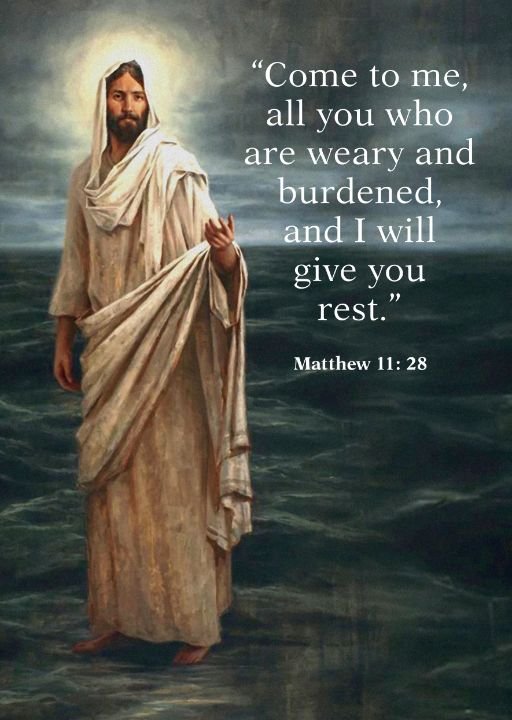
“Come unto me, all ye that labour and are heavy laden, and I will give you rest.” — Matthew 11:28
________________________________________
Introduction
Throughout history, God has raised men and women whom He has used powerfully in the ministry of healing. These servants become instruments through which divine power flows to restore the sick, comfort the afflicted, and demonstrate the compassion of God toward humanity. The ministry of healing is a sacred calling and a profound demonstration of the mercy of the Living God.
However, a dangerous misunderstanding often develops among believers regarding those who operate in such spiritual gifts. Many people assume that because someone has been used by God to heal others, that person must somehow be exempt from human limitations. They begin to expect that the vessel God uses should never experience weakness, fatigue, illness, or the natural limitations of the human body. When such ministers seek medical help or require rest due to exhaustion, some critics mock them, accusing them of hypocrisy or lack of faith.
This misunderstanding reflects a deeply flawed perception of how God works through human vessels. The truth is that God deliberately chooses human beings with earthly bodies and human limitations. The power belongs to God, not to the vessel through which He works. The ministry of healing does not transform a servant of God into a supernatural being immune to the realities of physical life.
The Scriptures clearly reveal that even the greatest servants of God experienced weakness, fatigue, persecution, and suffering. The Lord Jesus Christ Himself withdrew from crowds to rest and to spend time alone with the Father. If the Son of God, who carried divine authority, required moments of retreat and renewal, then certainly those who serve Him today must also understand the importance of rest, humility, and dependence upon God.
This lesson explores several profound truths revealed through the prophetic message presented above. It addresses the reality of spiritual ministry and physical limitations, the necessity of rest for God’s servants, the danger of pride among both ministers and observers, the misuse of spiritual expectations, and the eternal perspective God maintains concerning the souls of His children.
Ultimately, this teaching calls believers to wisdom, humility, and spiritual maturity in how they view the ministry of healing and those whom God uses within it.
________________________________________
God Uses Human Vessels, Not Superhuman Beings
“But we have this treasure in earthen vessels, that the excellency of the power may be of God, and not of us.” — 2 Corinthians 4:7
One of the greatest misunderstandings within the body of Christ is the belief that spiritual gifting removes human weakness. In reality, God intentionally works through ordinary human beings so that His power, not human ability, receives the glory.
The apostle Paul clearly stated that God places divine treasure inside “earthen vessels.” An earthen vessel refers to something fragile and easily broken. Clay pots were common containers in ancient times, yet they were also delicate and could easily be shattered. By using this analogy, Paul explained that the strength and power displayed through ministry come from God, not from the person being used.
Therefore, when God empowers someone in the ministry of healing, that person remains human. Their physical body is subject to fatigue, illness, and aging just like everyone else. The gift does not eliminate human limitations.
Sadly, some believers begin to idolize ministers whom God uses powerfully. They expect them to live beyond natural limitations. When those expectations are not met, disappointment and criticism follow. Yet such expectations are rooted in human imagination rather than biblical truth.
God never promised that His servants would become invincible. Instead, He promised to work through them.
________________________________________
The Necessity of Rest in Spiritual Ministry
“And he said unto them, Come ye yourselves apart into a desert place, and rest a while.” — Mark 6:31
One of the most overlooked truths in ministry is the divine principle of rest. The work of God can be intense and demanding. Ministers often spend long hours praying, counseling, teaching, and serving others who are in great need.
Jesus Himself experienced this reality. Crowds constantly surrounded Him, seeking healing, deliverance, and teaching. Yet the Gospels repeatedly record moments when Jesus withdrew from the crowds to rest and pray.
Rest was not a sign of weakness. It was a necessary rhythm for sustaining spiritual effectiveness.
God does not demand that His servants destroy themselves through endless labor. Instead, He calls them to work according to His guidance and timing. There were moments when Jesus ministered tirelessly to the multitudes, but there were also moments when He intentionally stepped away from public ministry to commune with the Father.
In those quiet places of prayer and solitude, spiritual strength was renewed.
Many ministers today struggle because they ignore this divine rhythm. They push themselves beyond healthy limits, often due to external pressure from people who constantly demand more ministry. Eventually exhaustion sets in, affecting both physical health and spiritual vitality.
God sometimes sends clear warnings to His servants to rest. Ignoring those warnings can lead to burnout, discouragement, or physical collapse.
Rest is not a lack of faith. It is obedience to God’s design.
________________________________________
The Danger of Pride Among Believers
“God resisteth the proud, but giveth grace unto the humble.” — James 4:6
Another major theme within this prophetic message concerns the destructive power of pride. Pride appears in two different forms within the context of healing ministry.
First, pride can develop in those who are used by God. When healing occurs through their prayers, they may begin to believe the power belongs to them. Gradually they start receiving the glory that belongs to God alone.
Second, pride can appear in those who judge ministers harshly. Some believers attempt to dictate how a “true healer” should behave or live. If the minister fails to meet their expectations, they quickly condemn or criticize them.
Both forms of pride grieve the heart of God.
The Lord reminds us that those whom He uses are often delicate vessels shaped by His refining process. These servants have allowed God to transform them through trials, discipline, and spiritual surrender.
They are not indestructible machines. They are refined instruments.
Treating such vessels harshly is like striking a fragile piece of fine china with a hammer. Such behavior reveals arrogance rather than spiritual wisdom.
True humility recognizes that every servant of God is dependent upon divine grace.
________________________________________
Spiritual Bullying Within the Flock
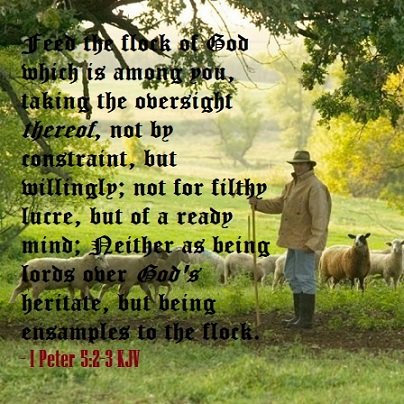
“Feed the flock of God which is among you… neither as being lords over God’s heritage.” — 1 Peter 5:2–3
Within every community of believers there are individuals who behave like spiritual bullies. Instead of encouraging others, they attempt to dominate, criticize, and control.
The prophetic message compares such individuals to aggressive sheep within a flock. While many sheep are gentle and submissive, others push and intimidate weaker members.
In spiritual communities, these “bully sheep” often pride themselves on their perceived strength. They use their influence to pressure ministers or fellow believers.
Their behavior may appear bold or confident, but in reality it is rooted in insecurity and pride.
God calls His people to build one another up, not tear each other down. The church should be a place of encouragement, restoration, and mutual support.
When believers attack those whom God is using, they reveal more about their own spiritual condition than about the person they criticize.

________________________________________
God’s Sovereignty Over Life, Health, and Death
“The LORD killeth, and maketh alive: he bringeth down to the grave, and bringeth up.” — 1 Samuel 2:6
A profound truth emphasized in this message is that God alone determines the beginning and end of human life. While God often heals the sick and extends life, the ultimate timing of each person’s departure from this world belongs to Him.
Many healing ministers throughout history have died from illnesses or physical conditions. Critics sometimes mock such situations, claiming that if their ministry were genuine they would never experience sickness.
This argument ignores the sovereignty of God.
Even Jesus faced mockery when people shouted, “Physician, heal yourself.” Yet His mission was not to prove His power through self-preservation but to fulfill the Father’s plan of redemption.
Similarly, the purpose of healing ministry is to demonstrate God’s compassion, not to guarantee perpetual physical health for the minister.
God sees the full story of each life. He knows when someone enters the world and when their earthly journey ends. These details often remain hidden from human understanding.
Believers must therefore avoid making careless judgments about circumstances they do not fully understand.
________________________________________
God’s Greater Concern: The Condition of the Soul
“What shall it profit a man, if he shall gain the whole world, and lose his own soul?” — Mark 8:36
The final and most important truth revealed in this message concerns God’s eternal priorities.
Human beings often focus intensely on physical health, but God looks primarily at the condition of the soul. While healing is a wonderful blessing, spiritual restoration matters infinitely more.
Tragically, some individuals receive miraculous healing yet return immediately to sinful lifestyles. Instead of gratitude and repentance, they resume the very behaviors that led them into spiritual darkness.
Scripture compares such behavior to a pig returning to the mud after being washed.
God desires that those who experience His healing grace also experience transformation of heart. Physical healing should lead to spiritual renewal and deeper devotion to God.
If suffering becomes necessary to bring someone back into right relationship with God, He may allow such suffering for their ultimate good.
The eternal destiny of the soul is far more important than the temporary condition of the body.
________________________________________
Summary
The ministry of healing is one of the most beautiful demonstrations of God’s love, yet it is often misunderstood. God uses human vessels who remain subject to physical limitations. Those who serve faithfully in ministry require rest, renewal, and times of solitude with God.
Pride can corrupt both ministers and observers, leading to judgment, criticism, and spiritual bullying within the church. Believers must remember that God alone determines the course of each person’s life and ministry.
Above all, God values the condition of the soul more than the state of the physical body. Healing should lead people toward repentance, humility, and deeper relationship with Him.
________________________________________
Conclusion
This lesson calls the church to spiritual maturity in how we view the servants of God. Ministers are not superheroes; they are vessels shaped by grace. They require rest, encouragement, and prayer just like every other believer.
The ministry of healing is not about human glory but about divine compassion. When God heals through someone, the glory belongs entirely to Him.
As believers, we must cultivate humility, wisdom, and respect for those whom God uses. Instead of criticizing them, we should support them through prayer and encouragement.
________________________________________
The Call to Action
Every believer should examine their heart in light of these truths. Are we placing unrealistic expectations on those whom God uses? Are we allowing pride or criticism to shape our attitudes?
God calls us to become people who encourage rather than condemn, who pray rather than judge, and who seek His presence rather than human recognition.
At the same time, those involved in ministry must guard their hearts against pride and remember to seek regular renewal in the secret place with God.
________________________________________
Final Word of Encouragement
God knows every servant He calls. He understands their strengths and their weaknesses. The same God who empowers His people also sustains them.
If you are weary from serving God, remember that He invites you to come aside and rest in His presence. In that quiet place, He restores strength and renews vision.
Remain faithful, remain humble, and trust that the One who called you will complete His work in your life.
________________________________________
Salvation Prayer
Heavenly Father,
I come before You today acknowledging that I am a sinner in need of Your mercy. I believe that Jesus Christ is the Son of God who died for my sins and rose again so that I might have eternal life.
Today I repent of my sins and turn away from everything that separates me from You. I ask You to forgive me, cleanse my heart, and make me a new person.
Lord Jesus, come into my life. Be my Savior and my Lord. Guide me, teach me, and help me to live according to Your will.
From this day forward, I choose to follow You. I surrender my life into Your hands and trust You for my future.
Thank You for saving me, for forgiving me, and for giving me eternal life.
In Jesus’ name, Amen.





























Leave a Comment