

DISTORTING GOD’S TRUTH AND RESTORING HOPE IN THE LORD By: Major Frank Materu
KEY SCRIPTURES
“Buy the truth, and sell it not; also wisdom, and instruction, and understanding.” — Proverbs 23:23 (KJV)
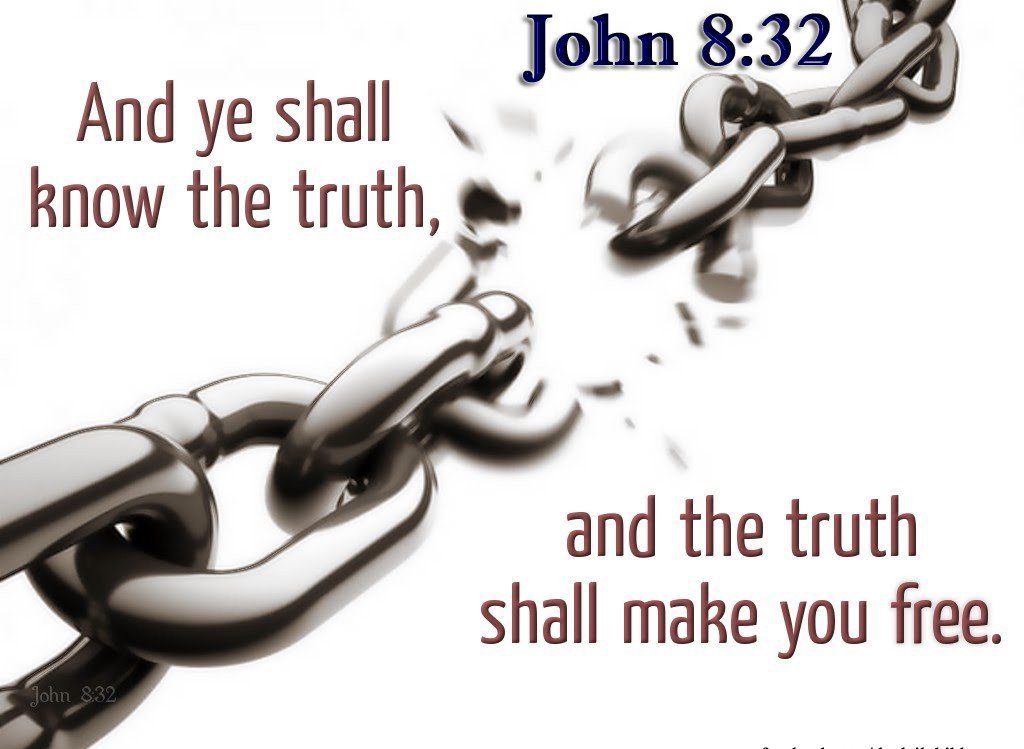
“And ye shall know the truth, and the truth shall make you free.” — John 8:32 (KJV)
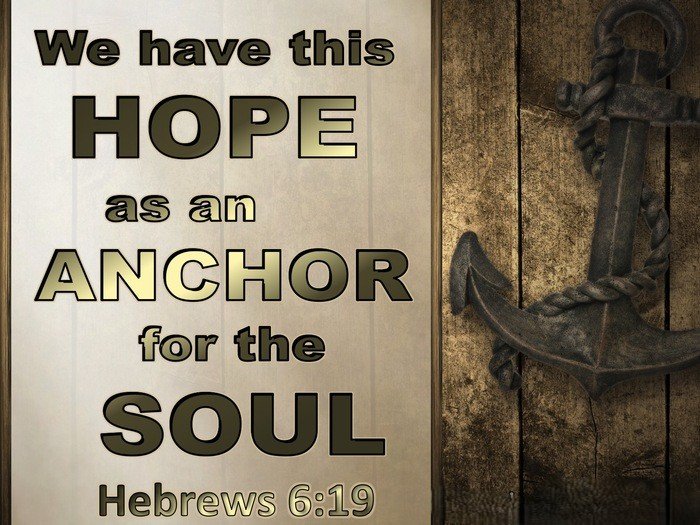
“For which hope we have as an anchor of the soul, both sure and stedfast.” — Hebrews 6:19 (KJV)
INTRODUCTION
God has revealed His truth so that humanity may walk in righteousness, wisdom, and spiritual understanding. His truth establishes a foundation for godly living, guides people away from deception, and teaches them to distinguish right from wrong. When people receive the truth, they have a responsibility to obey it, preserve it, and share it faithfully with others.
However, throughout history, people have been tempted to distort God's Word to accommodate their desires, ambitions, and personal interests. Instead of allowing the truth to correct their lives, they attempt to reshape the truth to justify their conduct. This produces confusion, weakens moral standards, and undermines the credibility of those who claim to represent God.
At the same time, God calls His people to remain children of hope. Even when society experiences confusion, disappointment, and uncertainty, believers can continue trusting in the Lord. Their confidence must not rest entirely on human strength, financial resources, influential people, or favourable circumstances, but on the unchanging character and faithfulness of God.
This lesson examines the danger of distorting God's truth and the importance of placing our hope firmly in Him. It calls believers to faithful obedience, responsible witness, spiritual discernment, and steadfast confidence in the Lord Jesus Christ.
__________________________________
DISTORTING GOD'S TRUTH DESTROYS SPIRITUAL BALANCE
God's truth establishes a standard by which human conduct, decisions, and values can be examined. When people receive His Word sincerely, they are called to walk in its light. They must not treat Scripture as a collection of convenient statements from which they select only what supports their preferences. Instead, they must submit their attitudes and actions to God's revealed will.
“Thy word is a lamp unto my feet, and a light unto my path.” — Psalm 119:105 (KJV)
Distorting the truth begins when people knowingly twist God's Word, ignore its correction, or use it to justify what Scripture condemns. Some may speak about holiness while secretly practising dishonesty. Others may preach love while exploiting people, or proclaim righteousness while pursuing selfish ambitions. Such contradictions weaken spiritual integrity and mislead those who look to them for guidance.
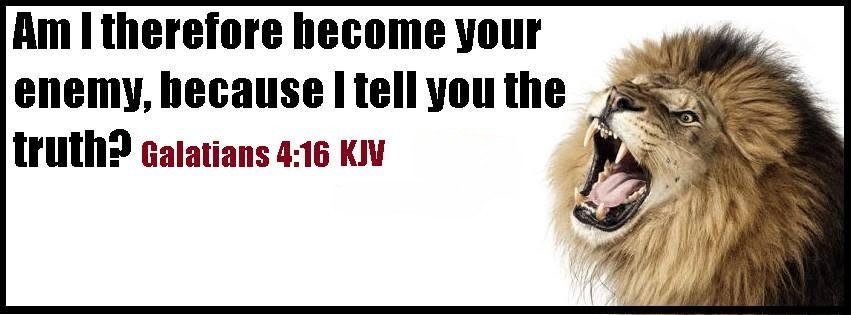
God's truth does not change merely because human opinions change. People may reject it, misunderstand it, or attempt to manipulate it, but their actions do not make falsehood become truth. The responsibility of every believer is therefore to study Scripture carefully, interpret it faithfully, and apply it honestly.
“Sanctify them through thy truth: thy word is truth.” — John 17:17 (KJV)
When truth is abandoned, confusion spreads through families, churches, communities, and institutions. Trust becomes difficult, injustice may be tolerated, and people can lose their sense of accountability. Nevertheless, we must not assume that every problem in society has one spiritual cause. Human suffering and social disorder can arise from many factors, including wrongdoing, poor decisions, injustice, and difficult circumstances. God's Word provides moral guidance for confronting these realities with wisdom and integrity.
THE RESPONSIBILITY OF THOSE WHO RECEIVE THE TRUTH
Receiving God's truth is a privilege, but it also brings responsibility. Believers are called not only to hear the Word but to practise it. Knowledge without obedience can become a source of pride, while religious language without righteous conduct can become a means of deceiving others.
“But be ye doers of the word, and not hearers only, deceiving your own selves.” — James 1:22 (KJV)
Those who know the truth should demonstrate it through honesty, humility, compassion, justice, forgiveness, and faithfulness. Their lives should support the message they proclaim. This does not mean that Christians will never make mistakes. Rather, when they fall short, they should acknowledge their wrongdoing, repent sincerely, seek reconciliation where possible, and return to the path of obedience.
Jesus commanded His followers to make disciples of all nations. This commission remains central to the mission of the Church. The Gospel must be proclaimed faithfully, with respect for people and without manipulation, coercion, or distortion.
“Go ye therefore, and teach all nations.” — Matthew 28:19 (KJV)
Believers must not use their knowledge of Scripture merely to gain recognition, influence, wealth, or control over others. They are called to serve God faithfully and to share the message of salvation through Jesus Christ. A faithful witness speaks the truth in love and seeks the spiritual good of others rather than personal advantage.
THE DANGER OF SELFISH AMBITION AND SPIRITUAL HYPOCRISY
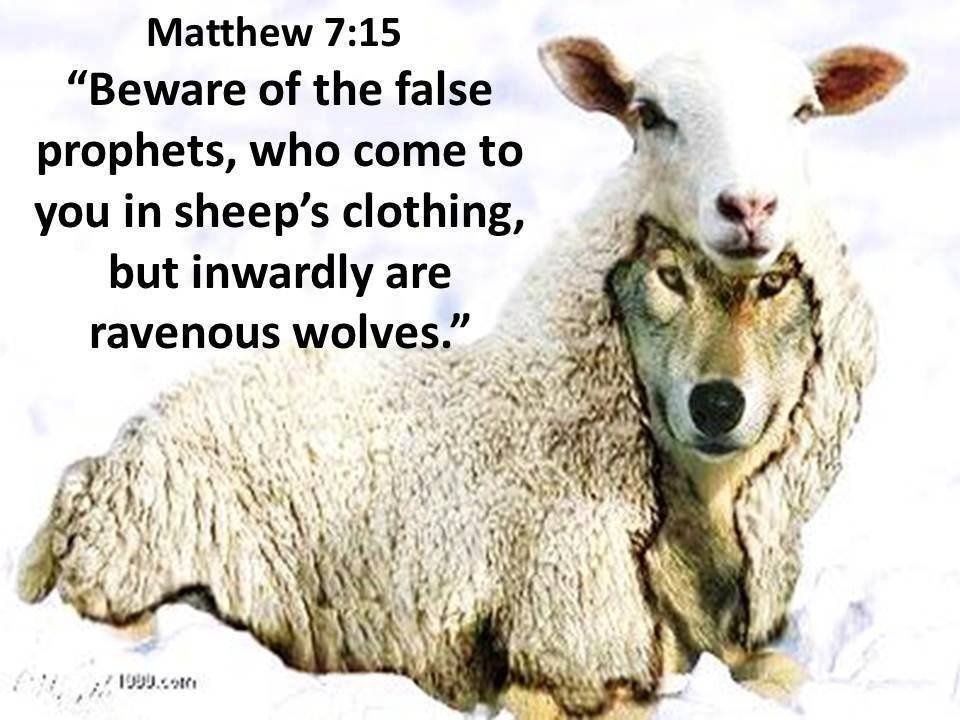
One of the greatest dangers in religious life is the desire to appear righteous without allowing God to transform the heart. A person may possess religious knowledge, hold a position of leadership, or speak persuasively while remaining unwilling to abandon dishonesty and selfishness.
Jesus warned against this kind of hypocrisy. He taught that outward appearance cannot substitute for inward integrity and obedience to God.
“This people draweth nigh unto me with their mouth, and honoureth me with their lips; but their heart is far from me.” — Matthew 15:8 (KJV)
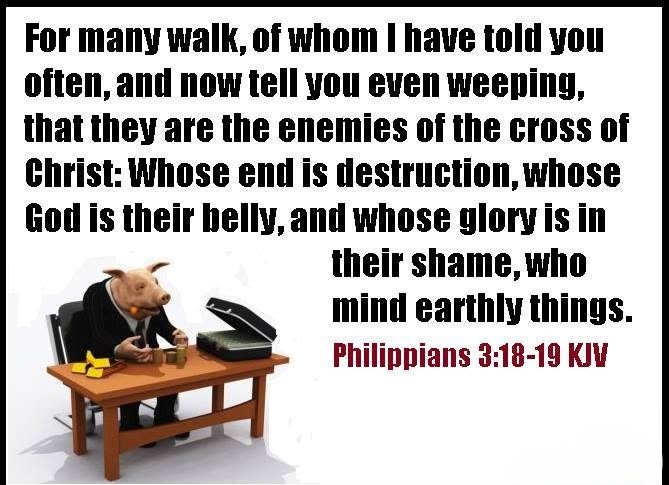
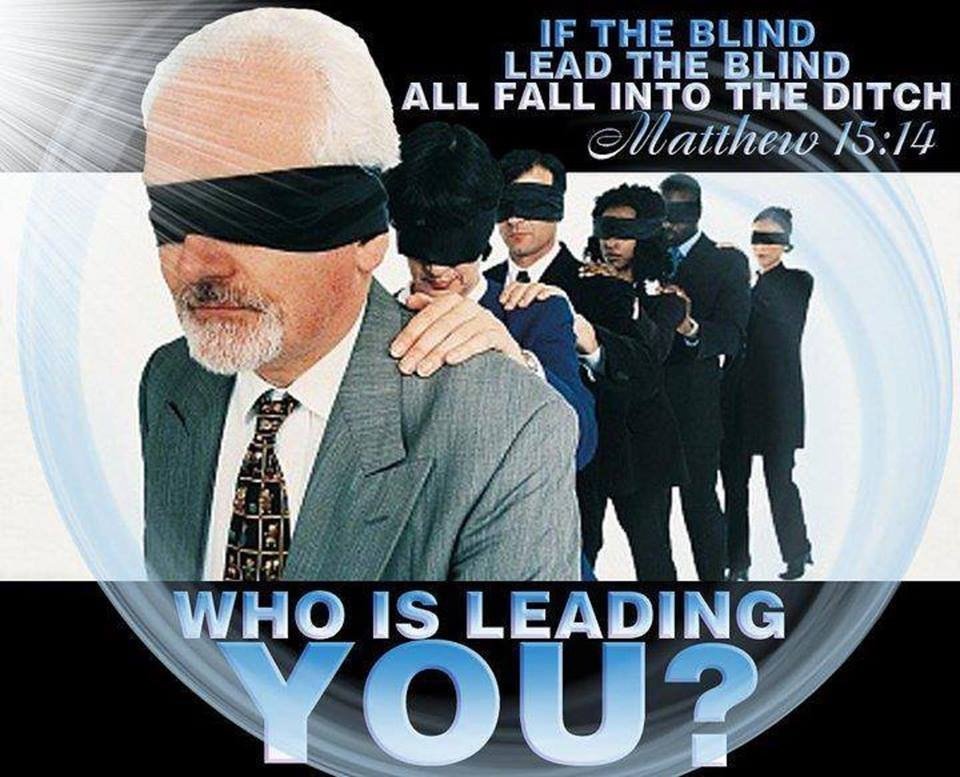
Spiritual hypocrisy damages the credibility of Christian witness. When leaders exploit the vulnerable, manipulate Scripture, or pursue personal interests at the expense of those they serve, they contradict the very message they claim to represent. Such conduct must be confronted through truth, accountability, and appropriate correction.
However, believers must also exercise discernment when evaluating others. Not every disagreement proves that someone is corrupt, and no individual should assume the authority to condemn every person whose views differ from their own. Judgement should be guided by Scripture, reliable evidence, humility, and a willingness to examine one's own conduct.
“Judge not according to the appearance, but judge righteous judgment.” — John 7:24 (KJV)
God calls His people to reject hypocrisy in their own lives before attempting to correct it in others. True spiritual maturity is demonstrated by a willingness to receive correction, pursue holiness, and remain accountable to God's Word.
GOD WILL UPHOLD HIS TRUTH
Human beings may attempt to suppress the truth, but they cannot permanently make falsehood righteous through their influence or persuasive speech. God's character remains faithful, and His Word continues to expose the difference between righteousness and wrongdoing.
“For we can do nothing against the truth, but for the truth.” — 2 Corinthians 13:8 (KJV)
God is able to raise people who will faithfully uphold His truth, even when doing so is unpopular or costly. Such people do not need to rely on arrogance, insults, or personal revenge. Their strength is found in obedience, courage, prayer, and a life that reflects the character of Christ.
The Bible assures believers that God is just. Nevertheless, Christians must not take personal vengeance or claim to know precisely when and how God will judge particular individuals. They should leave final judgement to Him while continuing to pursue justice, expose wrongdoing responsibly, protect the vulnerable, and practise what is right.
“Vengeance is mine; I will repay, saith the Lord.” — Romans 12:19 (KJV)
The call to uphold truth is therefore a call to faithfulness rather than hostility. Believers must speak honestly, reject corruption, and remain committed to righteousness without allowing bitterness to control their hearts. Their goal should be to honour God and help others come to the knowledge of His truth.

_____________________________________
CHILDREN OF HOPE: FIX YOUR EYES UPON THE LORD
Hope is essential to the Christian life. It enables believers to remain steadfast when circumstances are difficult and the future appears uncertain. Biblical hope is not merely positive thinking or the expectation that every situation will turn out exactly as desired. It is confidence in God's character, wisdom, promises, and ultimate faithfulness.
“Why art thou cast down, O my soul? and why art thou disquieted within me? hope thou in God.” — Psalm 42:11 (KJV)
Believers can experience grief, disappointment, fear, and discouragement. Such feelings do not automatically mean that their faith has failed. The important question is where they turn when these experiences arise. God invites His people to bring their burdens to Him in prayer, seek wisdom from His Word, and receive appropriate support from trustworthy people.
When hope is placed entirely in human beings, material possessions, social status, or favourable circumstances, disappointment can become overwhelming. People and circumstances are limited, and even good plans may change. God, however, remains worthy of trust when life does not unfold as expected.
“It is better to trust in the LORD than to put confidence in man.” — Psalm 118:8 (KJV)
Trusting God does not mean refusing practical help or neglecting personal responsibility. Believers can pray while seeking wise counsel, working diligently, managing resources responsibly, and addressing problems through appropriate means. Faith gives direction and strength for responsible action; it is not an excuse for passivity.
OVERCOMING DISCOURAGEMENT THROUGH FAITH
Discouragement can cause people to lose sight of their purpose and underestimate the strength available through faith in God. When difficulties arise, some may conclude that their situation will never improve. Others may become consumed by bad news, comparison, fear, or disappointment in people.
The Lord calls His people to look beyond immediate circumstances without denying reality. Faith enables believers to face difficulties honestly while continuing to trust God for wisdom, endurance, and direction.
“God is our refuge and strength, a very present help in trouble.” — Psalm 46:1 (KJV)
Believers should examine the areas in which discouragement has weakened their obedience. Have they allowed fear to prevent them from doing what is right? Have they depended excessively on another person's approval? Have they abandoned a worthwhile responsibility because progress has been slow? Such questions should lead to prayerful reflection and practical correction, not self-condemnation.
God's people are called to persevere. They must learn from failure, seek help when necessary, and continue doing good even when immediate results are not visible. Sometimes progress requires patience, renewed effort, changed plans, or the courage to leave an unhealthy situation. Trusting God means seeking His wisdom through each of these decisions.
“Let us not be weary in well doing: for in due season we shall reap, if we faint not.” — Galatians 6:9 (KJV)
Victory in the Christian life does not always mean escaping every hardship. It may mean remaining faithful during suffering, resisting temptation, forgiving an offender while maintaining appropriate boundaries, or continuing to serve God despite opposition. Through Christ, believers can endure hardship without surrendering their faith or compromising their convictions.
THE LORD IS THE FOUNDATION OF OUR CONFIDENCE
God is the sure foundation upon which believers should build their lives. Human strength is limited, circumstances are unpredictable, and earthly achievements cannot guarantee lasting peace. A life grounded in the Lord is directed by a deeper confidence that does not depend entirely on outward success.
“Trust in the LORD with all thine heart; and lean not unto thine own understanding.” — Proverbs 3:5 (KJV)
Placing hope in God requires surrendering pride, acknowledging our limitations, and seeking His direction. It means refusing to allow fear to become the final authority over our decisions. It also means accepting that God's wisdom may lead us through a process that requires patience, sacrifice, and perseverance.
The Lord does not promise that every believer will become wealthy, avoid every enemy, or receive every desired outcome in this present life. Scripture instead assures us of His presence, His sustaining grace, and the hope of eternal life through Jesus Christ. These truths remain firm even when earthly circumstances are painful or uncertain.
“I can do all things through Christ which strengtheneth me.” — Philippians 4:13 (KJV)
Therefore, do not measure God's faithfulness only by the absence of problems. Measure your walk by your growing trust in Him, your obedience to His Word, your love for others, and your perseverance in righteousness. The Lord can strengthen you to face realities that once seemed impossible to endure.
_________________________________________
SUMMARY
Distorting God's truth undermines spiritual integrity, damages trust, and misleads people who need faithful guidance. Those who receive God's Word are responsible for obeying it, preserving its meaning, and sharing the Gospel faithfully. Religious knowledge must be accompanied by humility, holiness, accountability, and practical love.
At the same time, believers are called to live as children of hope. Their confidence must rest primarily in the Lord rather than in people, possessions, status, or circumstances. True faith does not deny hardship; it provides strength to face hardship with wisdom, courage, and perseverance.
CONCLUSION
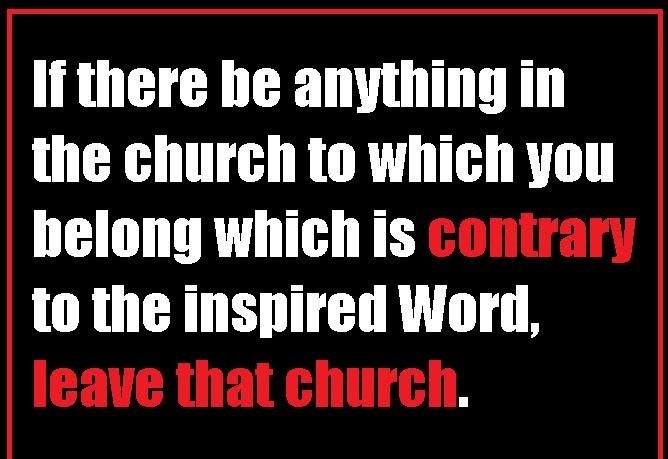
God's truth remains the standard for righteous living, and His faithfulness remains the foundation of Christian hope. The Church must reject hypocrisy, selfish ambition, and the manipulation of Scripture. Every believer must examine their own life, repent where necessary, and return to faithful obedience.
Do not surrender your hope because of the failures of people or the difficulties of the present age. Keep your eyes upon the Lord, remain faithful to His Word, and fulfil your responsibilities with courage and humility. God calls His people to walk in truth and to endure in faith, trusting Him even when the way ahead is uncertain.
CALL TO ACTION
Examine your life in the light of Scripture. Reject every temptation to twist God's Word for personal advantage. Correct what is wrong, seek forgiveness where necessary, and become a faithful witness of Jesus Christ. Refuse to allow disappointment to destroy your hope. Pray, seek godly counsel, take responsible action, and continue serving the Lord with integrity.
FINAL WORD OF ENCOURAGEMENT
Stand firmly in God's truth and remain steadfast in your hope. People may fail, circumstances may change, and the world may experience confusion, but the Lord remains faithful. Let your words reflect His truth, your conduct demonstrate His character, and your hope rest in His unchanging nature. Continue walking with Christ, knowing that your labour in the Lord is not in vain.
“Be ye stedfast, unmoveable, always abounding in the work of the Lord, forasmuch as ye know that your labour is not in vain in the Lord.” — 1 Corinthians 15:58 (KJV)
SALVATION PRAYER
Heavenly Father, I come before You in the name of Jesus Christ. I acknowledge that I have sinned and need Your forgiveness. Forgive me for every time I have rejected Your truth, followed selfish desires, or placed my hope in things that cannot save me. I believe that Jesus Christ died for my sins and rose again. I repent of my sins and receive Jesus Christ as my Lord and Saviour. Renew my heart, establish me in Your truth, and teach me to walk in obedience, holiness, and love. When I face difficulties, strengthen my faith and help me place my hope in You. Fill me with Your Holy Spirit and enable me to live as a faithful witness of Your grace. In the mighty name of Jesus Christ, I pray. Amen.





















Leave a Comment