

THE SIN OF SPIRITUAL STINGINESS AND THE GENEROSITY OF CHRIST By: Major Frank Materu
Key Scripture:
“Freely you have received, freely give.” — Matthew 10:8
________________________________________
Introduction: Confronting the Question of Divine Generosity and Human Stinginess
There are moments in spiritual reflection when a question pierces the conscience with unmistakable clarity: Why are you stingy toward God? It is not a question about divine lack, for God lacks nothing. Rather, it is a question that exposes the posture of the human heart. The Living God declares that He is not stingy toward humanity. He sends rain upon the just and the unjust. He causes the sun to rise upon the righteous and the wicked alike. He provides seedtime and harvest, warmth and sustenance, breath and opportunity. His generosity is woven into creation itself.
Scripture affirms this divine impartial benevolence. “He makes His sun rise on the evil and on the good, and sends rain on the just and on the unjust.” — Matthew 5:45. This is not merely a poetic statement; it is a revelation of God’s character. He is abundant in mercy, extravagant in grace, and patient beyond human comprehension. Yet in contrast to divine generosity, there is often within professing believers a spirit of spiritual stinginess — a reluctance to give, to sacrifice, to labor, or to support the advancement of God’s Kingdom.
This lesson explores the tension between God’s boundless generosity and humanity’s self-centered withholding. It examines the example of Jesus Christ as the perfect model of sacrificial living. It confronts complacency within comfortable religious culture. It challenges believers to consider where their resources, attention, and compassion truly flow. Above all, it calls for repentance from selfishness and a renewed commitment to wholehearted participation in God’s redemptive mission.

________________________________________
The Generosity of the Living God
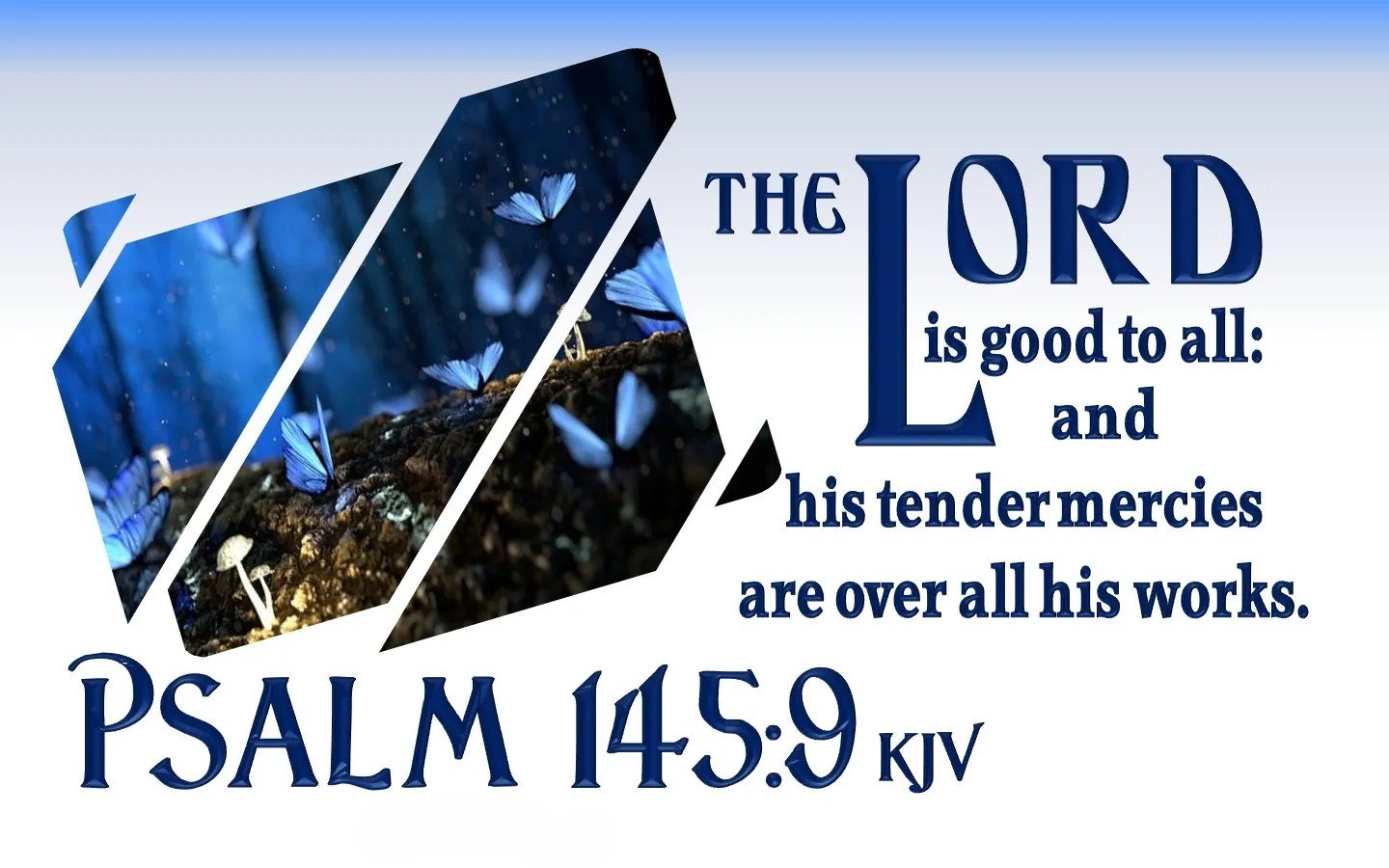
“The Lord is good to all, and His tender mercies are over all His works.” — Psalm 145:9
The foundation of this message is the unchanging generosity of God. Creation itself testifies to His liberality. The cycles of nature are sustained not by human merit but by divine faithfulness. Humanity does not earn sunlight, rainfall, or the breath of life. These are gifts. God’s generosity precedes human response.
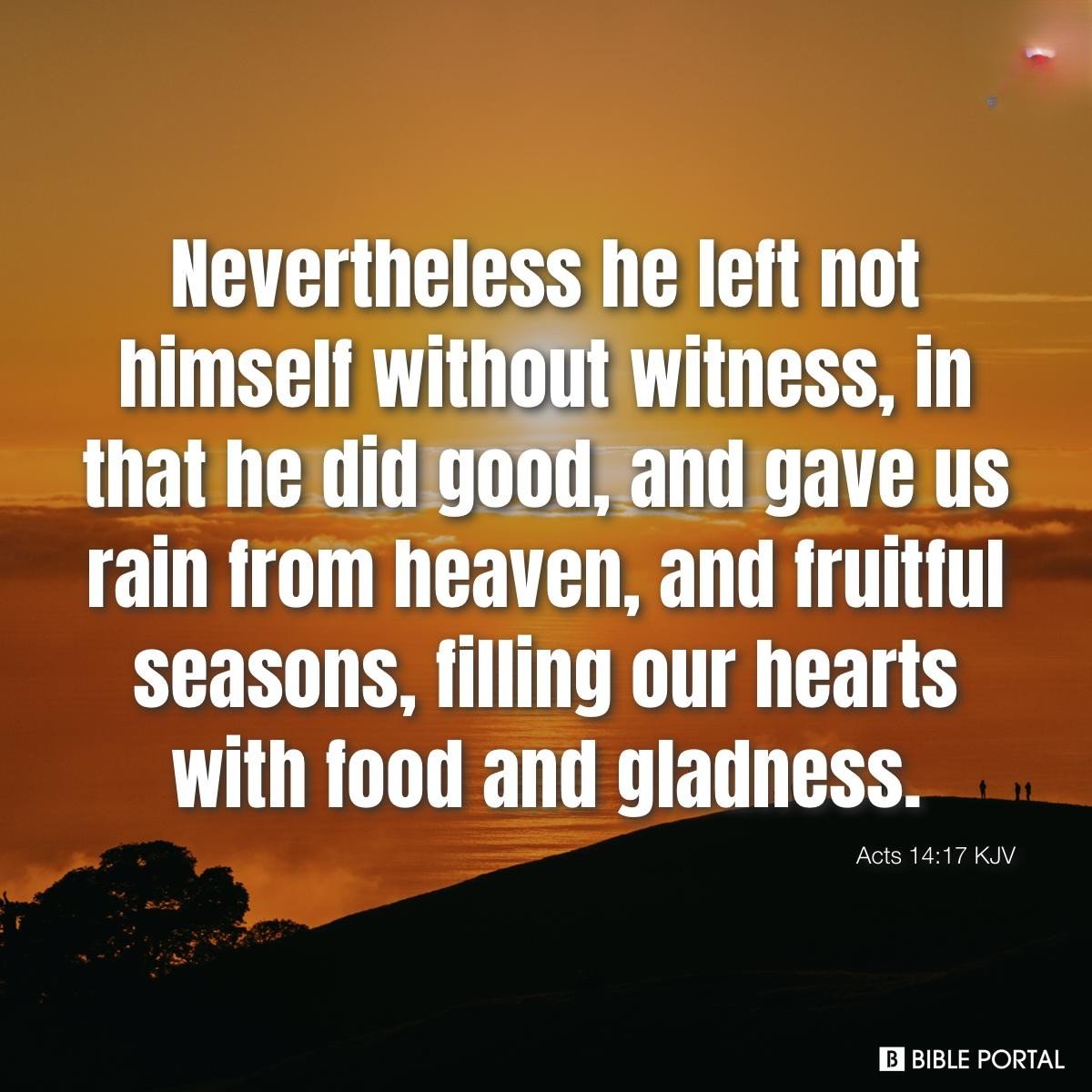
Theologically, this reflects what is often called common grace — the goodness extended universally regardless of moral standing. God provides food that grows from the earth, ecosystems that sustain life, and opportunities for repentance. “He did not leave Himself without witness, in that He did good, gave us rain from heaven and fruitful seasons, filling our hearts with food and gladness.” — Acts 14:17.
If God were stingy, humanity would cease to exist. If He withheld mercy entirely, justice alone would consume us. Yet He continues to extend patience. His generosity is not sentimental; it is purposeful. It calls humanity to gratitude and repentance.
Therefore, when believers withhold from God’s purposes while enjoying His blessings, there exists a contradiction. To receive freely yet give reluctantly reveals a disordered heart. The question is not whether God has given abundantly; the question is whether His people reflect His nature.
________________________________________
The Contrast Between Self-Indulgence and Kingdom Sacrifice
“For where your treasure is, there your heart will be also.” — Matthew 6:21
One of the most penetrating aspects of this message concerns the allocation of resources. Many profess faith while investing generously in personal indulgences. Funds flow easily toward comfort, fashion, entertainment, and status, yet hesitation arises when confronted with the needs of the lost or the advancement of the Gospel.
This reveals not merely financial preference but spiritual priority. The heart follows treasure. If treasure is anchored in worldly pursuits, the heart becomes entangled in vanity. “Do not love the world or the things in the world.” — 1 John 2:15.
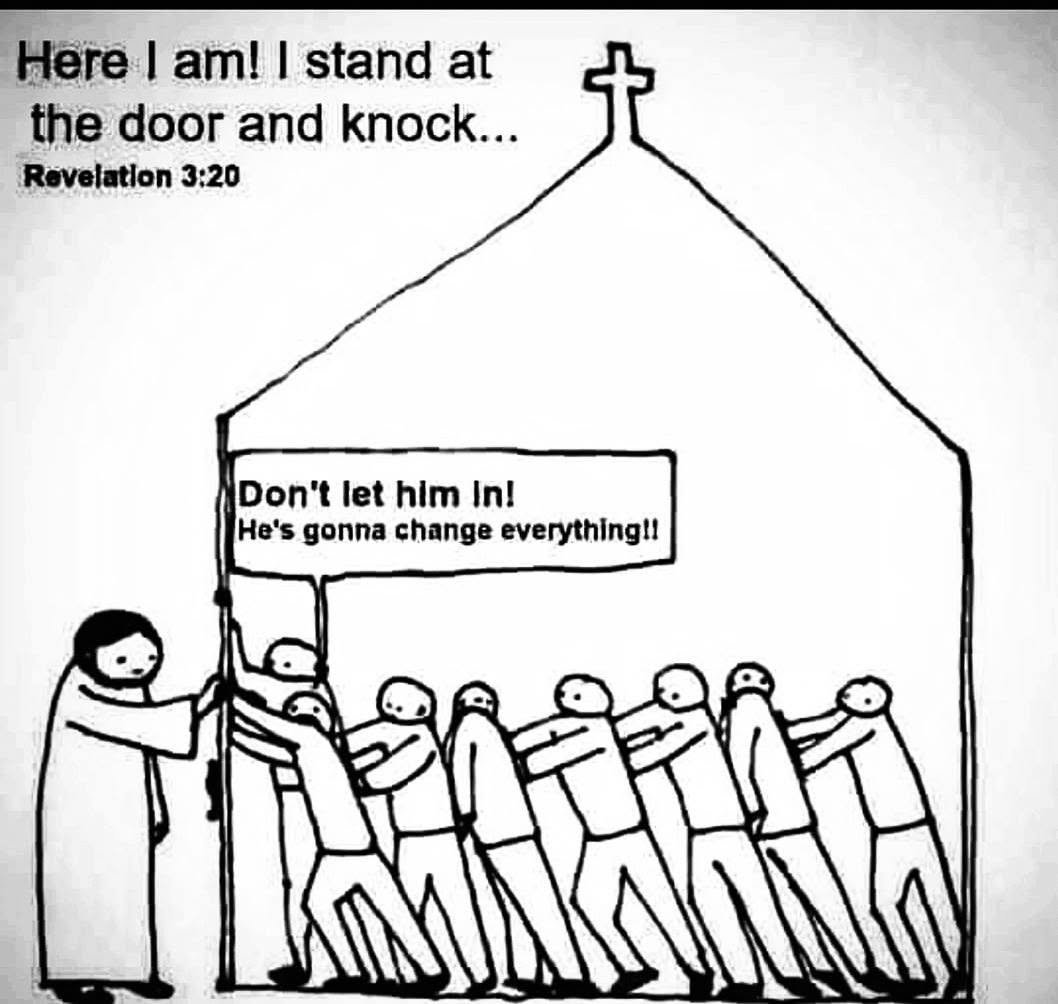
The critique extends beyond monetary giving to moral posture. It addresses complacency within comfortable religious environments that function more as social gatherings than mission outposts. Churches can become places of interaction devoid of sacrificial outreach. Activities may flourish while compassion diminishes.
Meanwhile, across the globe, multitudes remain unreached by the true Gospel message. The urgency of eternity contrasts sharply with the lethargy of convenience. Spiritual stinginess manifests not only in withheld finances but in withheld compassion, withheld time, and withheld obedience.
________________________________________
The Example of Jesus Christ: The Perfect Pattern of Generosity
“Though He was rich, yet for your sakes He became poor, that you through His poverty might become rich.” — 2 Corinthians 8:9
Jesus Christ embodies the opposite of stinginess. His earthly ministry was marked by radical generosity. He healed the sick, fed the hungry, restored the broken, and proclaimed freedom to captives. He asked nothing from those who received miracles. His mission was not self-promotion but obedience to the Father.
He lived dependent upon the provision of others, demonstrating trust in divine orchestration. “The Son of Man has nowhere to lay His head.” — Luke 9:58. His life contradicted materialistic ambition. His miracles were acts of compassion, not transactions.
Most profoundly, He gave His body upon the Cross. “The Son of Man did not come to be served, but to serve, and to give His life a ransom for many.” — Matthew 20:28. His crucifixion was not for personal sin but for the redemption of humanity. He endured mockery and brutality without retreat because He understood the eternal purpose of His sacrifice.
In every action, He refused to steal the Father’s glory. “I have glorified You on the earth.” — John 17:4. His life models humility, obedience, and generosity rooted in love.
________________________________________
The Hypocrisy of Religious Self-Interest
“Woe to you, scribes and Pharisees, hypocrites!” — Matthew 23:13
The religious leaders of Jesus’ time serve as a cautionary example. They were meticulous in outward observance yet indifferent to mercy. They sought recognition and authority while neglecting justice and compassion. Jesus exposed their hypocrisy with unwavering clarity.
Their concern was preservation of status rather than service to the needy. They scrutinized Jesus for perceived violations of the Law while failing to embody its spirit. “You neglect the weightier matters of the law: justice and mercy and faith.” — Matthew 23:23.
The same spirit can manifest today wherever religion becomes performance rather than surrender. When leaders prioritize reputation over righteousness, or when congregations prefer comfort over compassion, the pattern repeats.
Spiritual stinginess often hides behind religious activity. Generosity toward public causes may coexist with indifference toward eternal realities. This contradiction reveals a heart more aligned with image than with obedience.
________________________________________
Compassion for the Lost and the Least
“Pure religion and undefiled before God and the Father is this: to visit orphans and widows in their trouble.” — James 1:27
The Gospel compels believers toward the marginalized. Jesus consistently reached those overlooked by society — the sick, the poor, the outcast. His ministry was incarnational; He entered human suffering rather than observing it from distance.
Indifference toward the homeless, the hungry, or the spiritually lost contradicts the heart of Christ. While humanitarian care is commendable, neglecting eternal salvation undermines the fullness of Christian mission. Compassion must address both physical and spiritual need.
The early Church reflected this dual commitment. “Neither was there any among them that lacked.” — Acts 4:34. Their generosity flowed from transformed hearts. They understood that salvation was a gift too great to hoard.
________________________________________
The Eternal Consequences of Spiritual Stinginess
“He who sows sparingly will also reap sparingly.” — 2 Corinthians 9:6
Scripture warns that persistent selfishness carries consequences. Spiritual stinginess dulls sensitivity to God’s purposes. It narrows vision to temporal concerns. Ultimately, it risks eternal loss.
Hell is portrayed as a place of remembrance and regret. Those who reject compassion and truth will face accountability. Divine justice is neither arbitrary nor cruel; it is righteous and proportionate.
The sobering reality of judgment should awaken urgency. Resources entrusted to believers are stewardship opportunities. Time, talent, and treasure are temporary assignments with eternal implications.
________________________________________
Summary
God is abundantly generous, sustaining humanity with mercy and provision. In contrast, believers may fall into spiritual stinginess, prioritizing self-indulgence over Kingdom sacrifice. Jesus Christ exemplifies perfect generosity through His life, ministry, and sacrificial death. Religious hypocrisy warns against complacency. True faith expresses compassion for the lost and obedience to divine purpose. Eternal consequences underscore the seriousness of our stewardship.
________________________________________
Conclusion
The question remains: Are we reflecting the generosity of our Father, or are we withholding from His purposes? The Gospel calls for transformation of heart and priority. It calls for surrender of selfishness and embrace of sacrificial love.
Jesus did not cling to comfort. He did not hoard glory. He gave Himself fully. His pattern is not optional for authentic discipleship; it is foundational.
________________________________________
Call to Action
Examine your heart. Evaluate your priorities. Redirect your resources toward eternal impact. Support the proclamation of the true Gospel. Serve the needy with compassion. Reject complacency. Embrace sacrificial obedience.
________________________________________
Final Word of Encouragement
God is not stingy with you. His mercies are new every morning. His grace empowers change. When you align your life with His generosity, joy replaces emptiness, and purpose overcomes complacency. Reflect His heart. Give freely. Live boldly. The Kingdom advances through willing vessels.
________________________________________
Salvation Prayer
Heavenly Father, I acknowledge that You are generous and merciful beyond measure. I confess that I have often been selfish and resistant to Your call. Forgive me for withholding from You what belongs to You. I believe that Jesus Christ died for my sins and rose again to give me new life. I surrender my heart, my resources, and my future to You. Fill me with Your Holy Spirit and teach me to live generously, compassionately, and obediently. Use my life for Your glory and for the salvation of others. In Jesus’ Name, Amen.































Leave a Comment