

WHEN HUMAN PLANS YIELD TO DIVINE PURPOSE: LEARNING TO TRUST GOD’S FLOW By: Major Frank Materu
________________________________________
Key Scripture
“Trust in the LORD with all thine heart; and lean not unto thine own understanding. In all thy ways acknowledge Him, and He shall direct thy paths.”
(Proverbs 3:5–6, KJV)
________________________________________
Introduction
One of the greatest struggles of the human heart is the desire to control outcomes. From early life, people are taught to plan, organize, predict, and secure the future by their own understanding. While planning itself is not sinful, it becomes spiritually dangerous when it is detached from submission to God. The prophetic message before us confronts this very issue with divine clarity: plans that are not subject to God are not merely ineffective—they render a person useless to His Kingdom purposes.
God is not opposed to order, but He is opposed to prideful control. He is not against preparation, but He resists rigidity that refuses divine interruption. Those who labor for the Kingdom must first settle one fundamental truth: they are not in control. Until this truth is accepted, believers struggle to become effective co-laborers with God. The conflict between human plans and divine purpose must be resolved if spiritual fruitfulness is to be sustained.
This lesson explores the danger of rigid planning, the illusion of control, and the destructive consequences of fear-driven leadership. It reveals the beauty of trusting God’s flow, the peace found in surrender, and the safety that comes from trusting divine oversight rather than human evaluation. It also warns of spiritual blindness, pride, and darkness that characterize societies and individuals who reject God’s authority and embrace self-rule.
Above all, this lesson calls believers to rediscover trusting obedience—an obedience that flows from love rather than fear, from faith rather than control. In a world increasingly unstable and spiritually confused, God calls His people to live differently: to walk lightly, trust deeply, and follow Him fully.
________________________________________
— — — — — — — — — — — — — — —
God’s Authority Must Govern Human Plans
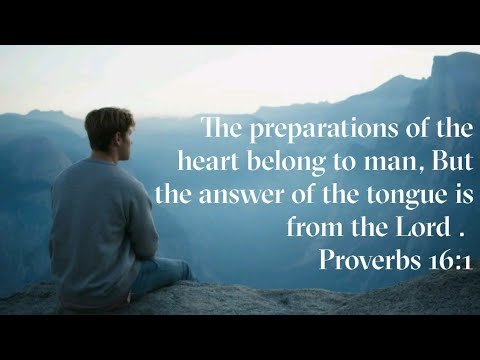
“The preparations of the heart in man, and the answer of the tongue, is from the LORD.”
(Proverbs 16:1, KJV)
The prophetic declaration is unmistakably clear: human plans must be subject to God. When people construct schedules, strategies, and expectations without room for divine adjustment, they step into presumption. Presumption assumes authority where none exists. God reminds His servants that when He sends them forth, He remains in charge of direction, timing, and outcome.
Rigid planning reveals a deeper issue of the heart—fear of losing control. When individuals refuse to adapt or change course, they demonstrate reliance on their own understanding rather than trust in God’s wisdom. Such rigidity makes cooperation with God impossible because divine guidance often requires flexibility, patience, and humility.
Effective co-laborers are those who understand that God’s plans override human intention. They do not attempt to place God within the confines of their schedules. Instead, they yield their agendas to His sovereignty, trusting that His interruptions are expressions of wisdom rather than inconvenience.
________________________________________
— — — — — — — — — — — — — — —
The Illusion of Control and the Poverty of Human Perspective
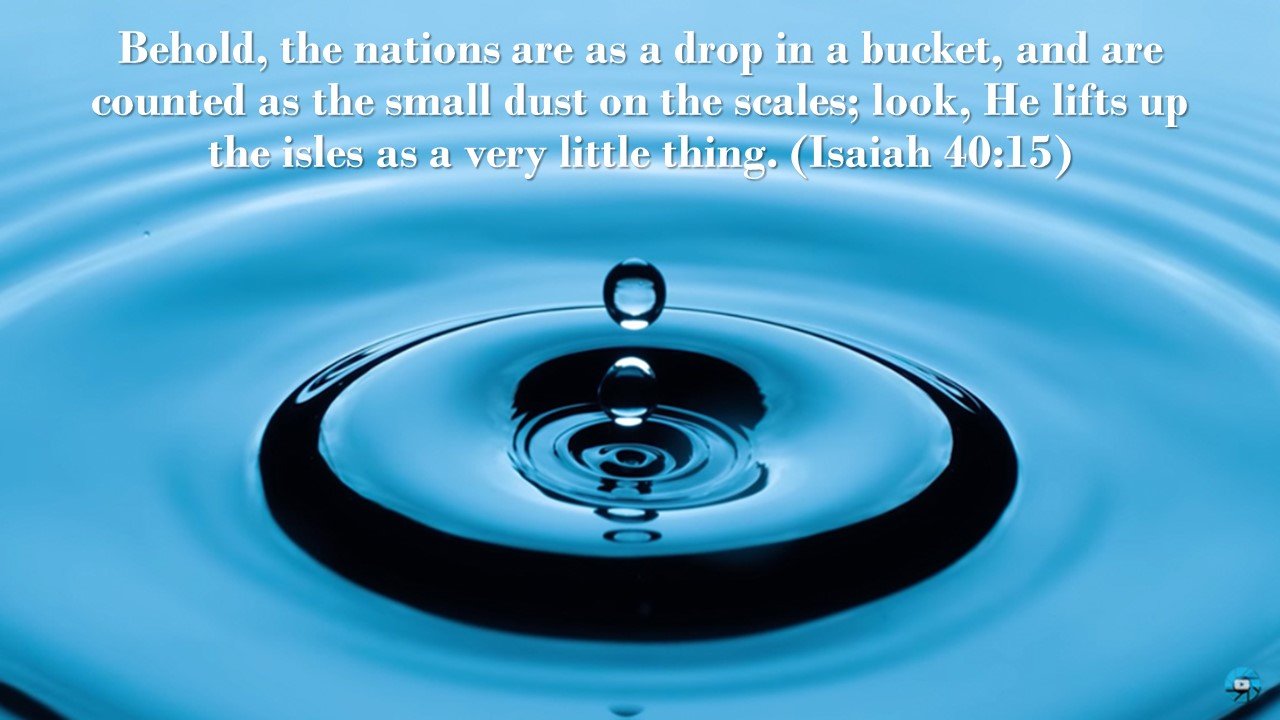
“Behold, the nations are as a drop of a bucket, and are counted as the small dust of the balance.”
(Isaiah 40:15, KJV)
God sees what humanity cannot see. While people operate from limited perspectives shaped by culture, experience, and emotion, God sees history, destiny, and eternity at once. The illusion of control arises when people forget this difference and assume authority over circumstances beyond their understanding.
Attempting to control outcomes produces anxiety, frustration, and misery. When fear replaces faith, decision-making becomes reactionary rather than revelatory. People rise not in confidence, but in panic, striving to maintain control where none was ever given to them. The result is relational conflict, spiritual exhaustion, and communal distress.
God exposes the foolishness of trying to contain Him within human expectations. When people attempt to prevent God from interfering with their plans, they unknowingly position themselves against divine wisdom. Such resistance does not bring stability; it produces collapse.
________________________________________
— — — — — — — — — — — — — — —
Learning to Relax and Flow with God’s Design
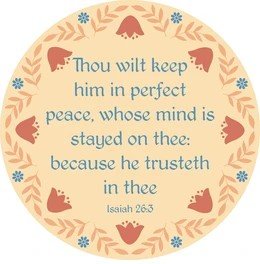
“Thou wilt keep him in perfect peace, whose mind is stayed on Thee: because he trusteth in Thee.”
(Isaiah 26:3, KJV)
Those who are of lasting value to God are not the most aggressive planners, but the most trusting followers. God invites His servants to relax—not into passivity, but into trust. To go with God’s flow is to align with His order, His timing, and His balance.
Creation itself testifies to this truth. Every element of creation functions in harmony because it submits to divine law. Human imbalance arises when desire for control overrides submission. Peace is not found in managing everything, but in trusting the One who manages all things perfectly.
Trusting God’s flow does not mean irresponsibility; it means responsiveness. It is the ability to move when God moves, stop when He stops, and change direction when He redirects. In such surrender, believers discover a peace the world cannot offer.
________________________________________
— — — — — — — — — — — — — — —
Pride, Rebellion, and the Collapse of Nations
“Pride goeth before destruction, and an haughty spirit before a fall.”
(Proverbs 16:18, KJV)
History is filled with civilizations that once appeared invincible but are now forgotten. Their downfall was not accidental; it was rooted in pride. When nations exalt themselves and assume self-sufficiency, they abandon reverence for God and embrace moral chaos.
Pride blinds people to their own corruption. It fosters practices of perversity, profanity, and spiritual insanity. Without God, societies descend into darkness characterized by violence, superstition, fear, and exploitation of the vulnerable. Such cultures do not collapse merely from external enemies but from internal decay.
God warns that the more people imagine they know, the closer they come to devastation. Knowledge without humility becomes destructive. Power without accountability becomes cruel. Control without God becomes chaos.
________________________________________
— — — — — — — — — — — — — — —
Spiritual Darkness, Witchcraft, and Hostility to God’s People
“For we wrestle not against flesh and blood, but against principalities, against powers, against the rulers of the darkness of this world.”
(Ephesians 6:12, KJV)
Where God is rejected, darkness fills the void. Witchcraft, sorcery, violence, and spiritual fear dominate societies cut off from divine truth. In such environments, hostility toward Christians is often intense because light exposes darkness.
God cautions those He sends into such places to avoid spiritual arrogance. Missionaries and servants must not assume that people “need them.” Rather, everyone needs God, His Son, His Spirit, and His angelic protection daily. Human saviors are ineffective; divine power alone delivers.
The warning against carrying cursed objects is deeply spiritual. What appears harmless can carry spiritual contamination. Discernment is essential. God does not want His people unknowingly transmitting spiritual bondage under the guise of culture or generosity.
________________________________________
— — — — — — — — — — — — — — —
Releasing Evaluation and Trusting God’s Judgment
“For it is God which worketh in you both to will and to do of His good pleasure.”
(Philippians 2:13, KJV)
God alone evaluates success in Kingdom work. Human measures of achievement, numbers, or recognition are insufficient and often misleading. When believers obsess over goals and accomplishments, they risk shifting their trust from God to performance.
God already knows where He wants His servants and for what purpose. The call is not to self-evaluate but to obey. True fruitfulness flows from obedience, not from ambition. Those who release control over outcomes discover freedom from pressure and joy in service.
________________________________________
— — — — — — — — — — — — — — —
No Plans but Trusting Obedience
“The steps of a good man are ordered by the LORD: and He delighteth in his way.”
(Psalm 37:23, KJV)
The prophetic phrase “the best plans you can make is no plans” does not reject wisdom but redefines it. It speaks of living moment by moment under divine direction. Such living deepens faith, strengthens trust, and builds spiritual confidence.
Trusting obedience produces safety, security, and sanity in an increasingly unstable world. It keeps believers alert, prayerful, and dependent on God rather than complacent in privilege. Liberty must never breed laziness; it must inspire gratitude and vigilance.
________________________________________
— — — — — — — — — — — — — — —
Repentance, Redemption, and the Privilege of Following Christ
“If any man be in Christ, he is a new creature: old things are passed away; behold, all things are become new.”
(2 Corinthians 5:17, KJV)
God’s mercy extends even to those who have lived fully for darkness. True repentance changes destinies. Tickets to destruction can be exchanged for tickets to glory. This is the power of grace.
To abandon plans, demands, and self-rule for Christ is not loss—it is privilege. Following Jesus leads to transformation, gratitude, and a renewed hunger for righteousness. Those who begin again discover that surrender opens the door to eternal life.
________________________________________
Summary
Human plans that resist God’s authority lead to frustration, fear, and spiritual ineffectiveness. Control is an illusion that blinds individuals and nations alike. True peace, fruitfulness, and safety are found in trusting God’s flow, yielding to His will, and embracing obedient faith. History testifies to the danger of pride and the beauty of surrender.
________________________________________
Conclusion
God reigns eternal and everlasting. He sees what humanity cannot see and knows what humanity cannot know. Those who release control and submit their plans to Him discover peace, protection, and purpose. In a chaotic world, trusting obedience remains the safest and wisest path.
________________________________________
Call to Action
Release your plans to God today. Lay down rigidity, fear, and the need to control outcomes. Commit yourself afresh to trusting obedience. Choose to flow with God rather than force your way forward.
________________________________________
Final Word of Encouragement
God is faithful. When you trust Him fully, He leads you surely. His way is not confusing, and His guidance never fails. Walk lightly, listen closely, and follow boldly.
________________________________________
Salvation Prayer
Lord Jesus Christ,
I acknowledge that You are Lord and Savior.
I repent of my sins and release control of my life into Your hands.
I believe You died for my sins and rose again in victory.
Come into my heart, cleanse me, and make me new.
Teach me to trust You, obey You, and follow You all my days.
Fill me with Your Holy Spirit and guide me in Your perfect will.
I choose Your way today and forever.
In Jesus’ Name, Amen.












Leave a Comment