

The Call to Peace, Humility, and Righteousness in a Corrupt World By: Major Frank Materu
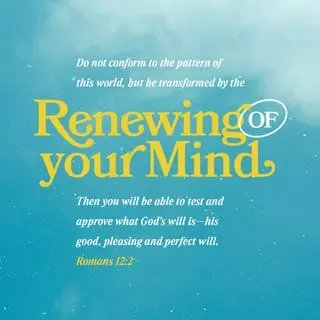
Key Scripture: Romans 12:2
________________________________________
Introduction
In a world increasingly marred by division, conflict, and self-serving ambition, the divine call for humanity to live in peace, humility, and righteousness resounds with profound urgency. This message, deeply rooted in eternal wisdom, serves as a beacon of light for those who seek a path less traveled—a path that diverges sharply from the prevailing darkness of worldly ways. It is a profound invitation to introspection, a challenge to re-evaluate our allegiances, and a clear directive to align our lives with a higher purpose.
The contemporary landscape is rife with examples of discord, where individuals and nations are perpetually at odds, driven by pride, selfish desires, and a relentless pursuit of their own agendas. This pervasive atmosphere of conflict is precisely what we are admonished against. The true believer is called to be fundamentally different, to embody peace, not just as an absence of strife, but as an active presence of harmony, both within ourselves and with fellow believers. This is not a passive withdrawal from the world, but an active engagement with divine principles that transform our inner being and outward conduct.
Furthermore, the text powerfully highlights the stark contrast between the "ungodly world" and the way of the Almighty. The world, in its current state, is depicted as being "full of corruption," characterized by "darkness, iniquity, and the foolery that comes of walking afar off" from the divine. It is a world where "ugly ambition and selfishness" reign, where those in power are "determined to have their way, no matter who they have to crush." This vivid portrayal serves not to instill fear, but to provide clarity and to underscore the imperative to not imitate such ways. Instead, we are exhorted to imitate the Divine, who provides the wisdom to "walk uprightly" and offers a pathway of light, life, and love.
Central to this discourse is the concept of fellowship. True fellowship is not to be found in aligning with worldly values or pursuits, but in communion with the Divine and with "fellow believers." Those who claim allegiance to the Divine yet daily immerse themselves in worldly values are depicted as "drifting farther and farther," blinded by the "god of this world." This is a solemn warning against spiritual complacency and a call to vigilant adherence to divine standards. The message unequivocally states that "those who are loving the world are not loving Me in any way whatsoever." This sharp distinction compels us to examine the true objects of our affection and devotion.
The pathway presented is one of humility and obedience. We are not called to be "determined to have your way," but to "walk in My way," which is described as the "straight and narrow way that leads to eternal life." In an era of "endless deceptions," the emphasis is on clinging to the "Truth that is found in and through Me." This highlights the critical importance of divine guidance in navigating the complexities and pitfalls of modern existence. The presence of "spirits of antichrist" and the increasing darkness over the land are acknowledged, yet these realities serve to reinforce the urgency of walking in the light and holding fast to divine principles.
Ultimately, this profound message is one of hope and assurance. Despite the prevalence of evil and the temporary reign of the wicked, the ultimate triumph belongs to the Divine. Proud nations and empires have fallen, demonstrating the fleeting nature of worldly power and the inevitable collapse of those who defy divine righteousness. We are reminded that "the evil remain forever, for they do not." Therefore, we are not to "be fearful of what men can do," for the divine kingdom is "eternal and far above the evils that are present on earth." This foundational truth liberates us from the fear of man and empowers us to serve with gratitude, recognizing the Divine as our Master, King, and Maker, the very source of our life. This article will delve deeper into these crucial themes, providing scriptural support and practical insights for living a life aligned with these eternal truths.

________________________________________
Sowing Peace, Not Discord
The very essence of the divine call is a summons to peace. The text explicitly states, "Do not sow discord one with another. Rather be sowing peace with Me and with those who likewise believe in Me and know that I am the Almighty." This is a fundamental departure from the prevailing human tendency towards strife and conflict. The world is depicted as being "continually at war one with another," a state that is antithetical to the divine intention for His people. We are called to be distinct, to cultivate an environment of harmony and unity. This peace is not merely the absence of conflict but a proactive pursuit of reconciliation and understanding. It begins with our relationship with the Divine, flowing outward to our interactions with fellow believers. When we are at peace with our Creator, we are better equipped to extend that peace to others, fostering a community built on love and mutual respect.
Romans 12:18 advises, "If it is possible, as far as it depends on you, live at peace with everyone." This underscores the personal responsibility we bear in maintaining peaceful relationships. It requires intentional effort to resolve disagreements, to forgive offenses, and to prioritize unity over personal agendas. The desire for peace should supersede the desire to be "right" in every argument.
Colossians 3:15 further instructs, "Let the peace of Christ rule in your hearts, since as members of one body you were called to peace. And be thankful." This highlights that peace is not just an external state but an internal one, rooted in the calming influence of divine presence within us. When the peace of Christ reigns in our hearts, it guides our words and actions, preventing us from engaging in divisive behaviors.
________________________________________
Rejecting Worldly Imitation and Embracing Divine Wisdom
The text provides a stark contrast between the "ungodly world" and the divine way. We are warned, "When you look at how ugly the ungodly world is at this time, know that you should not imitate them, for they are full of corruption. Instead, be imitating Me, for I am the One who gives to you the wisdom to walk uprightly before Me." This is a powerful admonition against conformity to worldly standards. The world, in its present state, is characterized by corruption, iniquity, and "foolery." To imitate such a world is to embrace its deficiencies and to distance ourselves from the source of true wisdom.
The call is to imitate the Divine, who alone possesses the wisdom to guide us in righteous living. This wisdom is not derived from human intellect or worldly philosophies but from a divine source. It enables us to discern between right and wrong, to make choices that honor the Divine, and to navigate life's complexities with integrity. We are not to be "world gazers," perpetually looking to the world with envy, for the allure of the world is a deceptive trap.
1 John 2:15-17 strongly cautions, "Do not love the world or anything in the world. If anyone loves the world, love for the Father is not in them. For everything in the world—the lust of the flesh, the lust of the eyes, and the pride of life—comes not from the Father but from the world. The world and its desires pass away, but whoever does the will of God lives forever." This scripture reinforces the idea that loving the world is antithetical to loving the Divine. Our affections and desires must be directed towards eternal truths rather than fleeting worldly pursuits.
James 3:15-17 differentiates between earthly and divine wisdom: "Such 'wisdom' does not come down from heaven but is earthly, unspiritual, demonic. For where you have envy and selfish ambition, there you find disorder and every evil practice. But the wisdom that comes from heaven is first of all pure; then peace-loving, considerate, submissive, full of mercy and good fruit, impartial and sincere." This passage clearly outlines the characteristics of divine wisdom, contrasting it with the destructive nature of worldly wisdom. It highlights that true wisdom leads to peace, purity, and good fruit.
________________________________________
The Nature of True Fellowship and the Danger of Worldly Affection
The passage makes a critical distinction regarding fellowship: "Realize that those who are loving the world are not loving Me in any way whatsoever. They are loving darkness, iniquity, and the foolery that comes of walking afar off from Me. Those who are in fellowship and friendship with the world have chosen darkness rather than light. As My true ones, let your fellowship be with Me and fellow believers." This is a foundational principle for genuine faith. Our affections reveal our true loyalties. If our love is directed towards the world, its values, and its pursuits, then our love for the Divine is compromised or non-existent.
Fellowship with the world is equated with choosing darkness over light, a dangerous path that leads away from the Divine. The call is for believers to have their fellowship primarily with the Divine and with other true believers. This creates a community of support, encouragement, and shared purpose, where individuals can uphold each other in righteousness and walk together in the light.
2 Corinthians 6:14-16 warns against unequal yoking: "Do not be yoked together with unbelievers. For what do righteousness and wickedness have in common? Or what fellowship can light have with darkness? What harmony is there between Christ and Belial? Or what does a believer have in common with an unbeliever? What agreement is there between the temple of God and idols? For we are the temple of the living God." This scripture powerfully emphasizes the incompatibility of light and darkness, and therefore, the need for believers to choose their associations wisely.
Proverbs 13:20 states, "Walk with the wise and become wise, for a companion of fools suffers harm." This practical proverb underscores the influence of our associations on our character and spiritual well-being. Choosing fellowship with those who align with divine principles will lead to growth in wisdom and righteousness.
________________________________________
Adherence to Righteousness and the Blinding Effect of Worldly Values
A significant concern raised in the text is the phenomenon of those who "claim they love Me are giving themselves daily to the values of the world rather than adhering to My standard of righteousness." This highlights a dangerous spiritual drift where individuals, despite their claims, prioritize worldly values over divine standards. Such a condition leads to them "drifting farther and farther" from the Divine, all the while "defending the ways of the world above My way." This is a form of self-deception, where spiritual blindness sets in, attributed to the "god of this world."
The implication is that a consistent, conscious choice to embrace worldly values dulls one's spiritual senses, making it increasingly difficult to discern divine truth and leading to a defense of unrighteousness. The path provided by the Divine is one of light, and choosing darkness leads to being "overwhelmed by that darkness." The antidote is to "choose to walk in the way that I provide" and to serve the Divine "with rejoicing."
Matthew 6:24 declares, "No one can serve two masters. Either you will hate the one and love the other, or you will be devoted to the one and despise the other. You cannot serve both God and money." While this scripture specifically mentions money, the principle extends to any worldly pursuit or value that competes for our ultimate loyalty. Divided allegiance leads to spiritual compromise.
Ephesians 4:17-19 describes the spiritual state of unbelievers: "So I tell you this, and insist on it in the Lord, that you must no longer live as the Gentiles do, in the futility of their thinking. They are darkened in their understanding and separated from the life of God because of the ignorance that is in them due to the hardening of their hearts. Having lost all sensitivity, they have given themselves over to sensuality so as to indulge in every kind of impurity, and they are full of greed." This passage illustrates the progression of spiritual hardening when one persistently chooses to live apart from divine truth and embraces worldly futility.
________________________________________
The Straight and Narrow Way: Humility, Truth, and Divine Vindication
The divine call is not to self-determination but to obedience: "I do not call you to be determined to have your way; I call you to walk in My way. It is the straight and narrow way that leads to eternal life." This emphasizes the importance of relinquishing personal control and submitting to divine guidance. The "straight and narrow way" implies discipline, intentionality, and a departure from the broad, easy path that leads to destruction. It is a path illuminated by divine light, allowing us to see the critical importance of "cleaving unto Me and walk in the way that I give."
The text warns of "endless deceptions that are present in these times," which can easily lead us astray. The antidote to deception is to walk in "the Truth that is found in and through Me." This highlights the Divine as the ultimate source of truth, providing clarity and direction amidst confusion. Furthermore, the presence of "spirits of antichrist" and increasing darkness are acknowledged, reinforcing the need for steadfastness and reliance on divine truth.
A crucial aspect of walking in the divine way is humility. The passage strongly states, "My intention for My people is that they would understand how much I desire them to walk in humility, for pride is murderous! Selfish ambition is the work of pride." Pride is identified as a destructive force, leading to selfishness and a determination to have one's own way, often at the expense of others. We are called to humble ourselves, seeking divine directions and corrections rather than seeking to prove our own righteousness. The Divine is the one who "vindicates you and shows you the hope of who I am." This removes the burden of self-justification and places our trust in divine justice.
Proverbs 16:18 famously states, "Pride goes before destruction, a haughty spirit before a fall." This proverb succinctly captures the destructive nature of pride, aligning perfectly with the text's warning that "pride is murderous!"
Matthew 7:13-14 illustrates the concept of the narrow way: "Enter through the narrow gate. For wide is the gate and broad is the road that leads to destruction, and many enter through it. But small is the gate and narrow the road that leads to life, and only a few find it." This scripture directly supports the idea of a challenging but ultimately life-giving path.
John 14:6 declares, "Jesus answered, 'I am the way and the truth and the life. No one comes to the Father except through me.'" This core scripture affirms the Divine as the sole source of truth and the path to eternal life, reinforcing the call to cleave unto Him.
________________________________________
The Fate of the Wicked and the Eternity of the Divine Kingdom
The text addresses the reality of wicked rule and the fear it can instill: "When the wicked are in rule, the people tremble. That is because of how murderous and hateful the wicked are. I do not intend you to live in the fear of men; I intend you to fear and honor Me." This acknowledges the oppressive nature of unrighteous leadership but immediately counters it with a directive to fear and honor the Divine, not men. The boasts of the wicked, their declarations of eternal rule, are dismissed as blinded by pride.
History, both recent and ancient, provides ample evidence of the fall of proud nations and empires. The text explicitly mentions "heaps of rubble" that were once "great powers," serving as concrete proof of divine judgment on the proud. This serves as a powerful reminder that worldly power is transient and ultimately subject to divine authority. The "workers of iniquity" do not improve; they only grow "increasingly more proud and rebellious," filling up their "cup" for ultimate wrath. Their "evil plots will collapse in heaps of ruination and devastation," leading to "agonies of hell, never able to escape the same."
This stark portrayal of divine judgment is not meant to instill despair but to offer reassurance to believers. We are not to be "fearful of what men can do to you. They cannot and will not prevail against My people." This is because the "kingdom is eternal and far above the evils that are present on earth." This truth liberates us from the fear of human power and empowers us to serve the Divine with gratitude, recognizing Him as our eternal Master, King, and Maker, the source of all life.
Psalm 37:1-2 encourages trust in the Divine amidst the prosperity of the wicked: "Do not fret because of those who are evil or be envious of those who do wrong; for like the grass they will soon wither, like green plants they will soon die away." This scripture offers a perspective on the temporary nature of the wicked's success.
Revelation 19:15 speaks of divine judgment on the wicked: "Coming out of his mouth is a sharp sword with which to strike down the nations. 'He will rule them with an iron scepter.' He treads the winepress of the furious wrath of God Almighty." This prophetic vision affirms the ultimate triumph of divine justice and the downfall of those who oppose the Divine.
Daniel 2:44 speaks of the eternal nature of God's kingdom: "In the time of those kings, the God of heaven will set up a kingdom that will never be destroyed, nor will it be left to another people. It will crush all those kingdoms and bring them to an end, but it will itself endure forever." This verse perfectly aligns with the text's assertion that the divine kingdom is eternal and will ultimately prevail over all earthly powers.

________________________________________
Summary
This profound message is a comprehensive call to a life of peace, humility, and righteousness, distinctly set apart from the prevailing corruption of the world. It urges believers to avoid discord and actively sow peace, not only with the Almighty but also with fellow believers. We are admonished against imitating the ungodly world, which is characterized by corruption, selfish ambition, and a love for darkness. Instead, we are to imitate the Divine, who provides the wisdom to walk uprightly. True fellowship is emphasized as being with the Divine and other believers, warning against the spiritual compromise of loving the world, which inevitably leads to drifting away from divine standards. The message underscores the importance of walking the "straight and narrow way" of humility and obedience, relying on divine truth amidst widespread deceptions. Finally, it offers a powerful assurance that despite the temporary reign of the wicked, the eternal kingdom of the Divine will ultimately prevail, providing comfort and liberation from the fear of man.
________________________________________
Conclusion
In a world clamoring for attention and demanding conformity, this message serves as a powerful and timeless guide. It presents a clear choice: to succumb to the chaos and corruption of the world, or to embrace the peace, wisdom, and eternal life offered by the Almighty. The path of true discipleship is not one of ease or popularity, but one marked by intentional choices to prioritize divine standards over worldly values. It is a call to cultivate humility, to seek divine direction, and to find our vindication not in our own efforts, but in the unwavering righteousness of our Creator. The struggles and deceptions of this age are real, and the forces of anti-Christ are indeed present and abundant. However, the message of hope shines brightly through these challenges. We are reminded that the wicked's dominion is temporary, and their boasts are but empty echoes against the backdrop of an eternal kingdom. Therefore, fear should give way to faith, and anxiety to gratitude.
________________________________________
The Call to Action
The principles outlined in this message are not passive ideals; they are active calls to transformation.
First, actively choose peace: Resist the urge to engage in discord and strive for harmony in all your relationships, especially with fellow believers. Be a peacemaker.
Second, intentionally separate from worldly influences: Consciously evaluate your affections and pursuits. Do they align with divine standards or worldly values? Make a deliberate choice to imitate the Divine in thought, word, and deed.
Third, prioritize true fellowship: Seek deep, meaningful connections with the Divine through prayer and meditation on His word, and cultivate strong bonds with fellow believers who are also striving to walk in the light.
Fourth, embrace humility: Let go of the need to be "right" and submit your way to the Divine's way. Seek His directions and corrections, understanding that true strength lies in humility.
Finally, live without fear of man: Recognize that the Divine is your ultimate Master, King, and Maker. His kingdom is eternal, and no earthly power can prevail against His people. Live in constant gratitude for His light, life, and love.
________________________________________
Final Word of Encouragement
Be encouraged, beloved ones, that you are not left to navigate this challenging world alone. The light that you are called to walk in is not dimly lit but shines brightly from the very presence of the Almighty. The wisdom you need to walk uprightly is freely given. The peace you are to sow is rooted in His very nature. Therefore, walk confidently, knowing that your Master is eternal, and His plans for you are good. Do not be swayed by the proud boasts of the wicked, for their end is certain. Instead, fix your gaze on the eternal King, serving Him with a heart full of gratitude and rejoicing. Your reward is not in this transient world but in the everlasting life that comes from cleaving unto Him.
________________________________________
(Prayer of Salvation)
I, [Your Name], confess today that I am a sinner and I need a Savior. I believe that You, Lord God Almighty, came to earth in the form of Jesus Christ. I believe that Jesus died on the cross for my sins, was buried, and rose on the third day, conquering death and sin. Today, I open my heart and welcome You into my life as my Lord and Savior. I abandon my old ways and ask for Your grace to walk in Your straight and narrow way. Help me to imitate You, to live in peace with others, and to seek Your kingdom first. Thank you for granting me eternal life and for giving me a place in Your eternal kingdom. I pray all this in the name of Jesus Christ, Amen.)
















Leave a Comment