

GOD\'S COUNSEL, HOLINESS, AND THE POWER OF THE TONGUE By: Major Frank Materu
Key Scriptures
“There is a way which seemeth right unto a man, but the end thereof are the ways of death.” — Proverbs 14:12 (KJV)
“Death and life are in the power of the tongue: and they that love it shall eat the fruit thereof.” — Proverbs 18:21 (KJV)
INTRODUCTION
God desires His people to seek His wisdom, walk in holiness, embrace the truth, and use their words to promote life rather than destruction. Yet many people depend primarily on their own understanding, wait for perfect circumstances before obeying God, compromise biblical truth to please others, and speak words that wound, divide, and discourage. These habits weaken spiritual growth and prevent believers from demonstrating the character of Jesus Christ.
The Lord invites His people to seek Him in every circumstance. He is the source of wisdom, the giver of life, and the One who directs those who trust Him. This does not mean that seeking professional advice, medical treatment, or practical assistance is wrong. Rather, believers should seek God as their ultimate source of wisdom while responsibly using the legitimate help and resources available to them.
God also calls His people to stop making obedience dependent on ideal circumstances. Opportunities to serve Him may arise during difficult seasons, when resources are limited or the future is uncertain. Faithfulness requires recognizing the opportunities He provides and responding with wisdom, courage, and obedience.
Furthermore, the Lord calls believers to stand firmly for biblical truth and pursue holiness. He desires His people to turn away from sin and become increasingly conformed to the character of Christ. This transformation must also be evident in their speech. The tongue can encourage, comfort, teach, and praise God, but it can also spread falsehood, provoke conflict, and destroy relationships.
This lesson examines the importance of seeking God's counsel, serving faithfully in imperfect circumstances, proclaiming the truth without compromise, pursuing holiness, and surrendering the tongue to God's authority. Its central message is that a life transformed by Christ should reflect His truth in both conduct and speech.

________________________________________
SEEK GOD'S COUNSEL IN EVERY SITUATION
“If any of you lack wisdom, let him ask of God, that giveth to all men liberally, and upbraideth not; and it shall be given him.” — James 1:5 (KJV)
God is the ultimate source of wisdom, and His people should seek His guidance in every area of life. When difficulties arise, believers should not immediately surrender to fear, confusion, or human opinion. They should pray, study Scripture, examine their circumstances honestly, and ask God for the wisdom to respond correctly.
Seeking God does not mean rejecting every form of human assistance. The Bible recognizes the value of wise counsel, knowledge, and practical understanding. Medical professionals can help address illness, qualified advisers can provide specialized guidance, and experienced people can offer useful insight. Such assistance can be received responsibly while maintaining confidence in God's sovereignty.
The danger arises when people place their ultimate trust in human wisdom while excluding God from their decisions. Human understanding is limited, and advice can be mistaken. Therefore, every recommendation must be considered carefully and evaluated in light of biblical principles, sound evidence, and the responsibilities involved.
“Trust in the LORD with all thine heart; and lean not unto thine own understanding.” — Proverbs 3:5 (KJV)
God invites His people to acknowledge Him in all their ways. When facing illness, seek appropriate care and pray for wisdom, healing, and strength. When facing conflict, seek truth and pursue reconciliation where possible. When making important decisions, consider the facts, consult trustworthy people, and ask the Lord to direct your steps.
Do not make human advice your god, but do not reject useful assistance through misplaced religious confidence. True faith seeks God's wisdom and acts responsibly. Trust Him as your ultimate source of hope while using the knowledge, opportunities, and resources available to you.
________________________________________
DO NOT WAIT FOR PERFECT CIRCUMSTANCES
“To day if ye will hear his voice, harden not your hearts.” — Hebrews 3:7–8 (KJV)
Many people postpone obedience because they are waiting for better conditions. They believe they will serve God when they have more money, greater influence, fewer problems, or complete certainty about the future. However, circumstances continually change, and perfect conditions are rarely found in this world.
God often calls His people to act faithfully in the middle of uncertainty. Noah obeyed God's instructions before the flood came. Moses had to confront Pharaoh despite his feelings of inadequacy. The disciples followed Jesus without knowing every detail of the journey ahead. Their examples demonstrate that obedience requires trust in God's direction rather than dependence on ideal circumstances.
This does not mean that planning, preparation, and careful assessment are unnecessary. Godly wisdom requires us to consider risks, manage resources, and fulfil our responsibilities. The point is that preparation should serve obedience, not become an excuse for endless delay.
“Whatsoever thy hand findeth to do, do it with thy might.” — Ecclesiastes 9:10 (KJV)
When God gives you an opportunity to serve, respond faithfully according to His Word. Do not despise a small beginning because it lacks public recognition. Do not abandon a good responsibility merely because the environment is difficult. Sometimes, faithfulness is demonstrated through ordinary actions performed consistently with integrity.
At the same time, not every opportunity should automatically be assumed to be God's direction. Test decisions against Scripture, seek wise counsel, and consider whether the opportunity requires dishonesty, exploitation, or compromise. God does not call His people to violate His truth in the name of urgency.
Learn to serve God in the circumstances you have while working responsibly toward improvement. Do not make comfort a condition for obedience. Let faith, wisdom, and a willing heart determine your response to the opportunities before you.
________________________________________
STAND FIRMLY FOR THE TRUTH OF GOD
“And ye shall know the truth, and the truth shall make you free.” — John 8:32 (KJV)
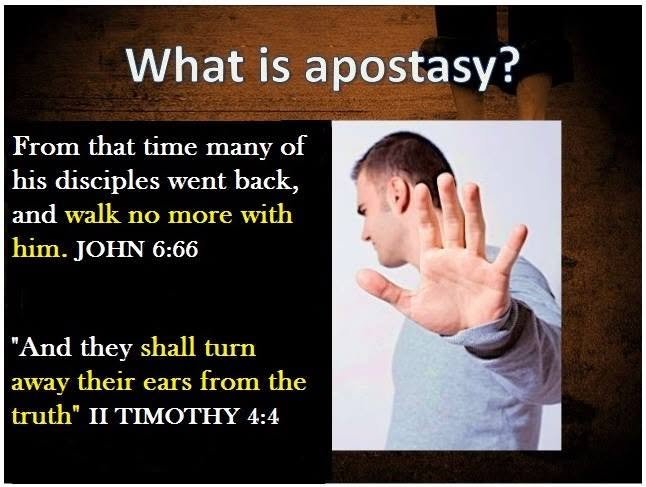
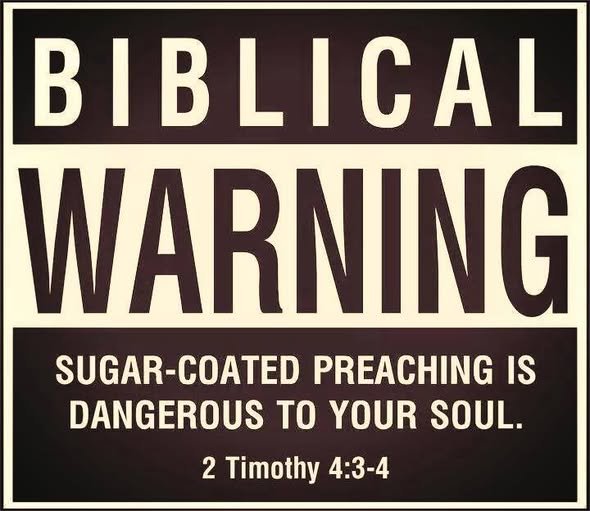
God calls His people to proclaim His truth faithfully, even when it challenges popular opinions or exposes wrongdoing. The Gospel cannot fulfil its purpose when it is deliberately weakened to satisfy human expectations. Believers must communicate the message of Scripture with clarity, courage, humility, and love.
Biblical truth includes the holiness of God, the reality of sin, the need for repentance, the grace of salvation, and the call to righteous living. When these truths are ignored, people may develop a false understanding of God and remain trapped in destructive patterns. Genuine spiritual freedom requires facing the truth rather than hiding behind excuses.
However, standing for truth does not mean speaking harshly, humiliating others, or treating personal opinions as unquestionable commands from God. Christian boldness must be accompanied by humility and self-control.
“But speaking the truth in love, may grow up into him in all things, which is the head, even Christ.” — Ephesians 4:15 (KJV)
Believers should not dilute Scripture by adding excuses that permit continued disobedience. Nor should they claim certainty where Scripture does not provide it. Faithful teaching requires careful interpretation, honest acknowledgment of what the Bible says, and a willingness to distinguish God's commands from personal preferences.
Jesus Christ is the foundation of truth. His followers must be prepared to correct error, resist deception, and defend biblical principles without becoming arrogant or vindictive. Their objective should be repentance, restoration, spiritual growth, and the glory of God—not personal victory in an argument.
Examine your own commitment to truth. Are you willing to obey Scripture when it challenges your desires? Do you speak honestly when the truth is inconvenient? Are you prepared to accept correction when you are wrong?
Stand firmly in God's Word. Reject compromise that leads to sin, but communicate the truth with the character of Christ. True spiritual courage combines conviction with love, and boldness with humility.

________________________________________
PURSUE HOLINESS AND TURN AWAY FROM SIN
“Be ye holy; for I am holy.” — 1 Peter 1:16 (KJV)
God created humanity in His image, but sin damaged humanity's relationship with Him and brought corruption into human life. Through Jesus Christ, God offers forgiveness, reconciliation, and the opportunity for a transformed life. His purpose is not merely to change people's outward appearance but to renew their hearts and conform their character to Christ.
Holiness means being set apart for God and living according to His righteous standards. It involves turning away from sin, rejecting idolatry, practising justice, speaking truthfully, and seeking purity in thought and conduct. It is not achieved through human pride or self-righteousness but through God's grace, received by faith and expressed through a life of obedience.
“For this is the will of God, even your sanctification, that ye should abstain from fornication.” — 1 Thessalonians 4:3 (KJV)
The pursuit of holiness requires believers to confront sin honestly. Pride, greed, sexual immorality, dishonesty, hatred, unforgiveness, and destructive speech must not be excused simply because they have become socially accepted. God's standards do not change merely because people prefer a different way of living.
Believers should pray for God to expose the attitudes and habits that oppose His will. They must be willing to repent, seek forgiveness, make necessary changes, and establish healthy boundaries against temptation. Where harmful behaviour has injured others, repentance should include taking responsibility and making appropriate efforts toward restoration.
Nevertheless, holiness is not the claim that a Christian never makes mistakes. It is a continuing commitment to walk in the light, confess sin, receive God's forgiveness, and grow in Christlike character.
“If we confess our sins, he is faithful and just to forgive us our sins, and to cleanse us from all unrighteousness.” — 1 John 1:9 (KJV)
Do not become comfortable with sin, but do not despair when you recognize your weakness. Turn to God sincerely and depend upon His grace to change you. Ask Him to cultivate a hatred of evil, a love for righteousness, and the strength to resist temptation.
The purpose of holiness is to glorify God through a life increasingly shaped by Jesus Christ.
________________________________________
THE TONGUE CAN BRING LIFE OR DESTRUCTION
“Death and life are in the power of the tongue: and they that love it shall eat the fruit thereof.” — Proverbs 18:21 (KJV)
The tongue is a small part of the body, yet its influence can be enormous. Words can comfort a grieving person, strengthen someone who is discouraged, teach truth, restore hope, and build unity. The same tongue can also spread lies, damage reputations, provoke anger, encourage hatred, and divide families or congregations.
God holds His people accountable for how they speak. Christian speech must be brought under the authority of the Holy Spirit and guided by biblical truth. Believers cannot consistently praise God while using the same mouths to abuse others, spread gossip, or deliberately destroy relationships.
James compares the tongue to a small fire that can set a great forest ablaze (James 3:5–6). This illustrates how a careless statement can produce consequences far beyond what the speaker intended. Words spoken in anger may be remembered for years, while false accusations can cause lasting damage to innocent people.
“Let no corrupt communication proceed out of your mouth, but that which is good to the use of edifying, that it may minister grace unto the hearers.” — Ephesians 4:29 (KJV)
Believers must learn to speak with discipline. Before speaking, consider whether the words are true, necessary, appropriate, and helpful. Not every thought needs to be expressed, and not every disagreement requires a harsh response. Sometimes wisdom requires silence; at other times, love requires speaking the truth courageously.
This discipline does not mean suppressing every difficult conversation. Wrongdoing may need to be confronted, injustice may need to be exposed, and boundaries may need to be communicated clearly. The objective is to speak in a way that serves truth and righteousness rather than revenge or humiliation.
Ask God to cleanse your speech. If you have used your tongue to wound others, confess your wrongdoing and make appropriate efforts to repair the damage. Replace insults with respectful correction, gossip with responsible communication, and habitual complaining with honest prayer and constructive action.
Let your tongue become an instrument of life, encouragement, truth, and praise.
________________________________________
USE YOUR WORDS TO PRAISE GOD AND STRENGTHEN OTHERS
“I will bless the LORD at all times: his praise shall continually be in my mouth.” — Psalm 34:1 (KJV)
God desires His people to use their words to glorify Him and encourage one another. Praise acknowledges His goodness, mercy, holiness, and faithfulness. Thanksgiving helps believers remember His grace even when circumstances are difficult.
A thankful heart does not deny suffering or pretend that every problem has already been resolved. Rather, it recognizes that God remains worthy of praise in every season. Believers can express sorrow honestly while continuing to trust the Lord.
Their words should also strengthen other people. A timely word of encouragement may help someone endure a difficult season. Patient instruction may help another person avoid a serious mistake. A sincere apology may begin the process of restoring a damaged relationship.
“A word spoken in due season, how good is it!” — Proverbs 15:23 (KJV)
The Christian's speech should reflect the compassion and truth of Jesus Christ. Parents should guide their children with wisdom rather than constant humiliation. Leaders should correct those under their care without abusing their authority. Church members should resolve disagreements without allowing gossip and bitterness to destroy fellowship.
Words of encouragement must remain truthful. It is not loving to make promises that God has not given or to offer false reassurance that prevents someone from addressing a serious problem. Genuine encouragement combines hope with honesty and practical wisdom.
Make a deliberate change in your daily conversations. Speak words that express gratitude, communicate truth, strengthen the weary, and honour God. Refuse to participate in conversations designed to spread malice or destroy reputations.
When you fail, repent quickly. Ask the Holy Spirit to help you develop self-control so that your speech becomes increasingly consistent with your faith.

________________________________________
SUMMARY
God calls His people to seek His wisdom, obey His Word, and use the opportunities available to them without waiting for perfect circumstances. They must stand firmly for biblical truth while communicating it with humility and love. Their lives should demonstrate holiness, repentance, and a genuine desire to become more like Jesus Christ.
The tongue is a powerful instrument that can either strengthen relationships or cause serious harm. Believers must therefore discipline their speech, reject gossip and falsehood, and use their words to encourage, correct, comfort, and praise God.
Spiritual maturity is not demonstrated merely by religious language. It is revealed through the character of Christ expressed in daily conduct. When believers seek God's counsel, pursue holiness, and surrender their speech to His authority, their lives become a stronger testimony to the transforming power of the Gospel.
CONCLUSION
God is the source of wisdom, truth, and life. He calls His people to seek Him sincerely, obey His Word, and serve Him faithfully in the circumstances they face. Do not allow the pursuit of ideal conditions to delay obedience, and do not compromise biblical truth to gain human approval.
Pursue holiness through repentance and dependence upon God's grace. Reject destructive attitudes and bring your tongue under the authority of the Holy Spirit. Your words should not become instruments of hatred, division, or discouragement. Let them communicate truth, express gratitude, and build others up.
Remember that transformation begins in the heart and becomes visible through conduct. Ask God to renew your thoughts, purify your motives, and guide your speech. Live in a manner that reflects the holiness, mercy, and truth of Jesus Christ.
CALL TO ACTION
Examine your relationship with God and your daily speech. Identify the areas in which you have relied exclusively on your own understanding, delayed obedience unnecessarily, or compromised truth to please others. Ask the Lord for wisdom and take the responsible steps needed to correct your course.
Consider the words you speak to family members, colleagues, fellow believers, and people who disagree with you. If your speech has caused harm, confess your wrongdoing and seek to make things right. Stop participating in gossip, false accusations, insults, and conversations intended to divide people.
Commit yourself to regular prayer, careful study of Scripture, and practical acts of kindness. Speak the truth in love, pursue holiness, and use your words to encourage those who are struggling.
Let your life and speech become a testimony of God's transforming grace.
FINAL WORD OF ENCOURAGEMENT
The Lord is able to give wisdom to those who seek Him sincerely. He can strengthen you to obey His truth, grow in holiness, and overcome destructive habits of speech. Do not allow past mistakes to prevent you from pursuing change. Confess your sins, receive God's forgiveness, and continue growing in the character of Jesus Christ.
Use every opportunity to serve faithfully, speak truthfully, and encourage others. Remember that a small act of obedience or a timely word of encouragement may have a lasting influence on another person's life.
May the Lord establish you in His truth, strengthen your pursuit of holiness, and teach you to use your tongue as an instrument of life and blessing. May your words glorify Him, your conduct reflect Christ, and your life bear lasting fruit for His Kingdom.
SALVATION PRAYER
Heavenly Father, I come before You in the name of Jesus Christ. I acknowledge that I am a sinner and need Your mercy and forgiveness. I repent of my sins and believe that Jesus Christ died for my sins and rose again.
Lord Jesus, I receive You as my Saviour and confess You as Lord. Forgive me, cleanse my heart, and teach me to walk in Your truth. Help me to seek Your wisdom in every situation and to obey Your Word even when obedience is difficult.
Holy Spirit, expose the sin within me and give me the strength to turn away from everything that dishonours God. Purify my thoughts, renew my heart, and help me grow in holiness and Christlike character.
Lord, forgive me for the times I have used my tongue to hurt, divide, discourage, or spread falsehood. Teach me to speak truthfully, correct others with love, encourage the weary, and give thanks to You continually. Make my words instruments of life rather than destruction.
Help me to serve You faithfully without waiting for perfect circumstances or seeking human recognition. Give me wisdom to make responsible decisions, courage to stand for biblical truth, and humility to receive correction.
Thank You for Your mercy, grace, and the salvation offered through Jesus Christ. Lead me by Your Spirit and help me to live a life that brings honour to Your name.
In the mighty name of Jesus Christ, I pray. Amen.





























Leave a Comment