

THE INESCAPABLE CONSEQUENCE OF SIN AND THE CALL TO TRUE REPENTANCE By: Major Frank Materu
Key Scripture:
“Be not deceived; God is not mocked: for whatsoever a man soweth, that shall he also reap.” — Galatians 6:7
________________________________________
Introduction
The message of divine justice is one that many in the modern world seek to soften, reinterpret, or ignore entirely. Yet the unchanging truth remains: God is holy, righteous, and just, and He does not overlook sin. In an age where moral relativism has become the norm and personal feelings are elevated above divine truth, the reality of sin and its consequences must be clearly proclaimed. This lesson confronts the dangerous illusion that one can persist in sin without consequence, or casually return to righteousness after indulging in rebellion.
At the core of humanity lies a God-given conscience—a moral compass designed to align individuals with divine standards. This conscience is not a cultural construct; it is a spiritual witness placed within every person. When violated repeatedly, it becomes seared, weakened, and eventually ignored. This process does not occur overnight but is the result of deliberate choices made against the conviction of the Holy Spirit.
This teaching explores the progressive nature of sin, the seriousness of rebellion, the danger of spiritual hardness, and the eternal consequences awaiting those who persist in rejecting God's call to repentance. It also emphasizes the urgency of responding rightly when sin is revealed and highlights the narrow yet powerful path of restoration available to those who truly repent.
________________________________________
The Certainty of Divine Judgment
“For the wages of sin is death; but the gift of God is eternal life through Jesus Christ our Lord.” — Romans 6:23
________________________________________
God’s justice is not selective or partial. Whether one identifies as a Christian, a Jew, or belongs to any other belief system, sin carries consequences. The notion that religious identity provides immunity from judgment is a dangerous deception. God judges based on truth, not labels.
Every act of sin is a violation of divine law, and every violation demands accountability. God has embedded within every human being a conscience that serves as an internal witness. When individuals act against this conscience, they are not merely making poor decisions—they are actively rejecting divine guidance.
The punishment for sin is not arbitrary; it is the natural outcome of separation from God. Just as darkness is the absence of light, spiritual death is the absence of God's presence. Therefore, when a person chooses sin, they are choosing separation, decay, and ultimately destruction.
________________________________________
The Role of Conscience and the Voice of the Holy Spirit
“And when he is come, he will reprove the world of sin, and of righteousness, and of judgment.” — John 16:8
________________________________________
The conscience functions as an early warning system, but the Holy Spirit operates at a deeper level—bringing conviction, clarity, and divine instruction. When the Spirit reveals that a particular behavior is sinful, the responsibility shifts to the individual to respond appropriately.
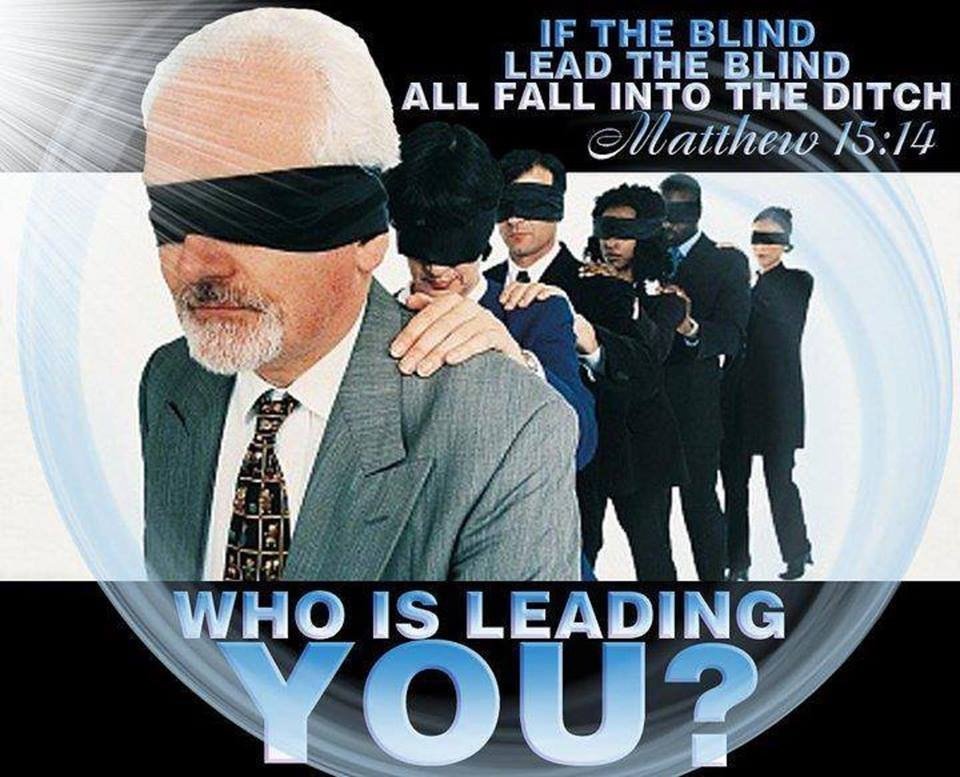
To ignore such revelation is not ignorance; it is rebellion. Continued disobedience after conviction transforms sin into defiance. It reveals a heart that is not merely weak, but resistant to God’s authority.
True followers of Christ are marked not by perfection, but by responsiveness. When confronted with sin, they repent, turn away, and seek restoration. This willingness to change is evidence of genuine faith. In contrast, those who persist in sin despite conviction demonstrate a hardened heart and a growing distance from God.
________________________________________
The Progressive Nature of Sin and Spiritual Decline
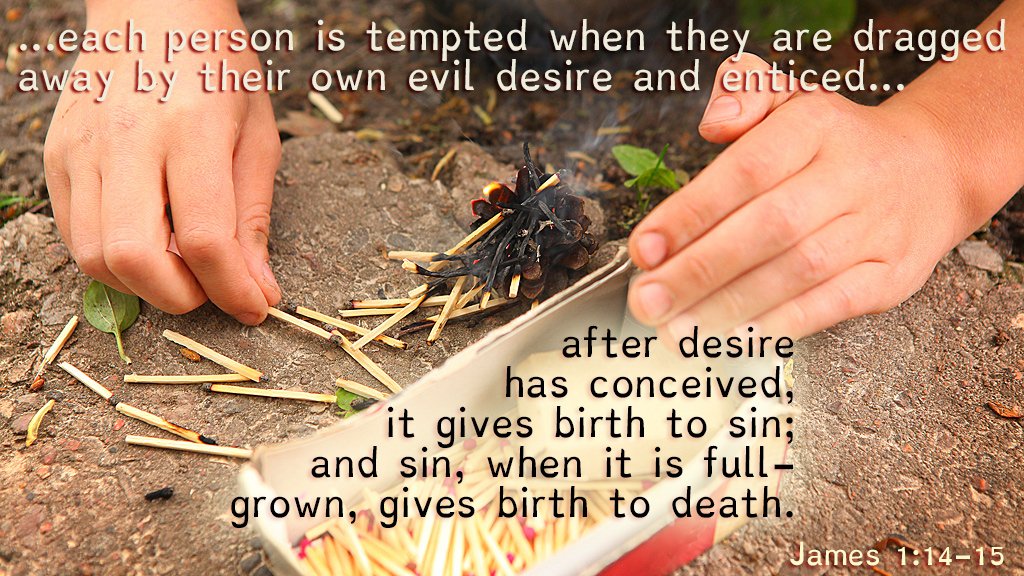
“But every man is tempted, when he is drawn away of his own lust, and enticed. Then when lust hath conceived, it bringeth forth sin: and sin, when it is finished, bringeth forth death.” — James 1:14-15
________________________________________
Sin is not static; it is progressive. What begins as a seemingly small compromise can evolve into a pattern of behavior that dominates one's life. As individuals continue in sin, their sensitivity to righteousness diminishes. The things that once troubled them no longer do.
This progression leads to a shift in relationships. Those who once valued godly fellowship begin to distance themselves from it, seeking instead the company of others who affirm their sinful choices. In such environments, sin is not only tolerated—it is celebrated.
This descent is marked by increasing hostility toward truth, growing pride in wrongdoing, and a complete loss of gratitude toward God. The individual becomes spiritually unrecognizable, having traded righteousness for temporary pleasure.
________________________________________
The Deceptive Nature of Sin and the Illusion of Control
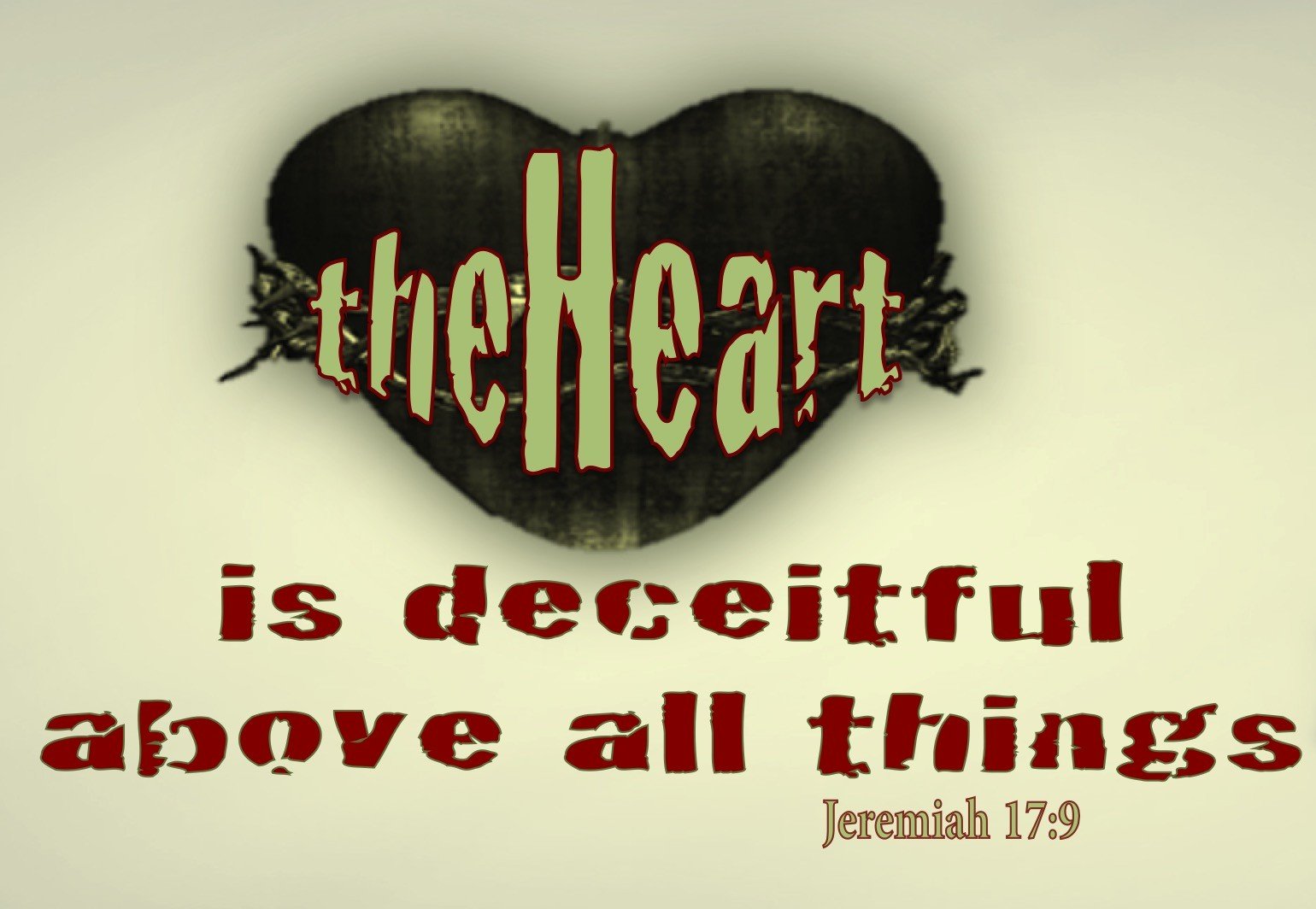
“The heart is deceitful above all things, and desperately wicked: who can know it?” — Jeremiah 17:9
________________________________________
One of the most dangerous aspects of sin is its ability to deceive. Individuals often believe they are in control—that they can indulge temporarily and return to righteousness at will. This is a fatal miscalculation.
Sin creates bondage. What begins as a choice becomes a habit, and what becomes a habit eventually forms a stronghold. At this stage, the individual is no longer in control; they are controlled.
The memory of past pleasures becomes a trap, drawing them back into sin repeatedly. Even when they attempt to break free, they find themselves ensnared by the very things they once believed they could manage. This cycle leads to frustration, despair, and deeper entrenchment in sin.
________________________________________
The Danger of a Reprobate Mind
“And even as they did not like to retain God in their knowledge, God gave them over to a reprobate mind…” — Romans 1:28
________________________________________
There comes a point when persistent rebellion results in divine withdrawal. This is not because God is unwilling to forgive, but because the individual has become unwilling to repent. Their repeated rejection of truth leads to a condition where they can no longer discern right from wrong.
This is the state of a reprobate mind—a condition where sin is justified, righteousness is rejected, and a false version of God is embraced. Individuals in this state may appear confident, even spiritually active, but they are operating under deception.
Their end is not merely physical death, but eternal separation from God. This is the ultimate consequence of unchecked sin and unrepented rebellion.
________________________________________
The Body as the Temple of God
“Know ye not that your body is the temple of the Holy Ghost which is in you…?” — 1 Corinthians 6:19
________________________________________
Human beings are not merely physical entities; they are spiritual vessels designed to host the presence of God. When individuals engage in sinful behaviors, they are not only harming themselves—they are desecrating the temple of God.
This abuse drives away the presence of the Holy Spirit. The more one indulges in sin, the less room there is for God’s presence. Eventually, the individual becomes spiritually empty, filled instead with the consequences of their choices.
The question must be asked: why destroy what was meant to be sacred? Why trade divine presence for temporary pleasure?
________________________________________
The Trap of Sin and Its Inescapable Consequences
“His own iniquities shall take the wicked himself, and he shall be holden with the cords of his sins.” — Proverbs 5:22
________________________________________
Sin is a trap—one that tightens with every act of disobedience. The more one indulges, the deeper they fall. What once seemed enjoyable becomes a source of misery.
This is the paradox of sin: it promises pleasure but delivers pain. Over time, the individual becomes a prisoner of their own choices, unable to escape the consequences they willingly embraced.
Even future generations are affected. Children and grandchildren inherit not only behaviors but also the consequences of those behaviors. Thus, sin extends beyond the individual, impacting entire families and communities.
________________________________________
The Final Judgment and Eternal Consequences
“And as it is appointed unto men once to die, but after this the judgment.” — Hebrews 9:27
________________________________________
Death is not the end; it is the transition to judgment. After death, there is no opportunity for repentance, no chance to reverse decisions, and no amount of money or religious rituals that can alter one’s eternal destination.
Hell is not a metaphor—it is a reality. It is the final destination for those who reject God and persist in sin. The judgment rendered is just, based on the life lived and the choices made.
This reality should provoke deep reflection and urgent action. Eternity is not something to gamble with.
________________________________________
Summary
Sin is not a trivial matter; it is a serious offense against a holy God. It begins subtly but progresses into bondage, deception, and ultimately destruction. The conscience and the Holy Spirit serve as guides, but when ignored, they lead to spiritual hardness and eventual separation from God. The consequences of sin are both immediate and eternal, affecting not only the individual but also future generations.
________________________________________
Conclusion
The message is clear and uncompromising: no one escapes the consequences of sin. God’s justice ensures that every action is accounted for. Yet within this stern warning lies an invitation—a call to turn away from sin and return to righteousness.
The path of repentance is not easy, but it is the only path that leads to life. To delay is dangerous; to ignore is fatal. The time to act is now.
________________________________________
Call to Action
Examine your life honestly. Identify areas where you have ignored conviction and persisted in sin. Do not justify or minimize them. Turn away completely and seek God with sincerity. Break all ties with anything that leads you into sin. Surround yourself with those who pursue righteousness and hold you accountable.
________________________________________
Final Word of Encouragement
Though the message is stern, it is not without hope. As long as there is breath in your body, the opportunity for repentance remains. God’s desire is not destruction, but restoration. If you turn to Him wholeheartedly, He will receive you, cleanse you, and restore you.
Choose life. Choose righteousness. Choose God.
________________________________________
Salvation Prayer
Heavenly Father,
I come before You acknowledging that I am a sinner. I have gone my own way and have sinned against You in my thoughts, words, and actions. I confess my sins and ask for Your forgiveness.
Lord Jesus, I believe that You died for my sins and rose again for my salvation. I repent of all my sins and turn away from them completely. Come into my heart, be my Lord and Savior, and take full control of my life.
Holy Spirit, fill me, guide me, and help me to live a life that is pleasing to God. Give me the strength to resist sin and to walk in righteousness all the days of my life.
Thank You, Father, for saving me. I choose to follow You from this day forward.
In Jesus’ Name, Amen.










Leave a Comment