

Who Are You Before God? — The Test of True Identity and Eternal Consequence By Major Frank Materu
Key Scripture:
“Examine yourselves, whether ye be in the faith; prove your own selves. Know ye not your own selves, how that Jesus Christ is in you, except ye be reprobates?” — 2 Corinthians 13:5
________________________________________
Introduction: The Most Important Question of Human Life
Among all the questions that humanity faces throughout life, there is one question that surpasses all others in importance: Who are you? This question is far deeper than a request for a name, an occupation, or a residential address. In everyday life, when people are asked who they are, they instinctively respond with information related to their identity in the world. They may say their name, their nationality, their profession, or their family background. Yet in the courts of Heaven, such answers carry little weight.
Before God, identity is not defined by earthly credentials but by spiritual condition. The Living God does not measure people by their social standing, financial success, religious title, or outward reputation. Instead, He examines the heart and the spiritual reality within the soul.
Scripture repeatedly reveals that human life on earth functions as a testing ground. Each person is given the opportunity to respond to the grace of God, to receive salvation through Jesus Christ, and to demonstrate the transformation that comes through genuine conversion. In this testing process, God observes whether the incorruptible seed of His Word produces fruit within the life of a person.
The Bible clearly states:
“Being born again, not of corruptible seed, but of incorruptible, by the word of God, which liveth and abideth for ever.” — 1 Peter 1:23
Those who are truly born again possess a new identity. They no longer belong to the world’s system of sin but have become members of God’s divine family. Their identity is rooted in redemption through Jesus Christ and in the transforming power of the Holy Spirit.
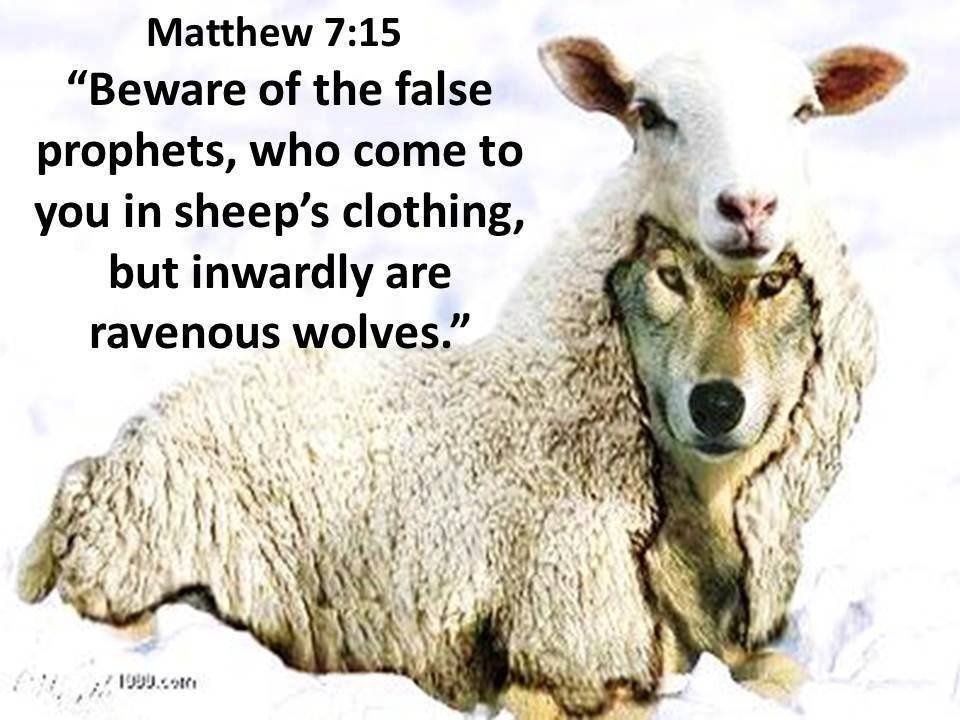
However, there is also a tragic reality. Many people who claim to be Christians live lives that contradict their confession. They adopt the language of faith but continue in hidden sins, selfish ambitions, and spiritual complacency. These individuals may appear religious on the outside, yet their hearts remain unchanged.
This lesson explores the profound spiritual implications of the question “Who are you?” It examines the difference between genuine salvation and religious pretense, the danger of hidden sins, the reality of eternal consequences, and the urgent need for sincere repentance and spiritual authenticity.
________________________________________
The Identity of the Truly Born-Again Believer
A person who has genuinely encountered salvation through Jesus Christ understands their true identity. Such an individual does not define themselves merely by earthly titles or achievements. Instead, they recognize that their identity has been transformed through redemption.
The Bible declares:
“But as many as received him, to them gave he power to become the sons of God, even to them that believe on his name.” — John 1:12
When a person is born again, they become a son or daughter of God. This transformation is not symbolic or philosophical; it is a spiritual rebirth that changes the nature of the individual. The believer receives forgiveness of sins, reconciliation with God, and the indwelling presence of the Holy Spirit.
This new identity produces boldness and confidence in declaring the truth of the Gospel. True believers are not ashamed to testify that they have been saved by grace through the sacrifice of Jesus Christ.
“For I am not ashamed of the gospel of Christ: for it is the power of God unto salvation to every one that believeth.” — Romans 1:16
Those who belong to God’s family live with spiritual purpose. They become active participants in the work of God’s kingdom. Their lives are characterized by devotion, service, and a passionate desire to see others rescued from the consequences of sin.
Their identity is not passive or hidden. Instead, they become alive, alert, active, and aggressive in advancing the purposes of God. Their motivation is not personal recognition but love for God and concern for the eternal destiny of humanity.
________________________________________
The Danger of Comfortable Christianity
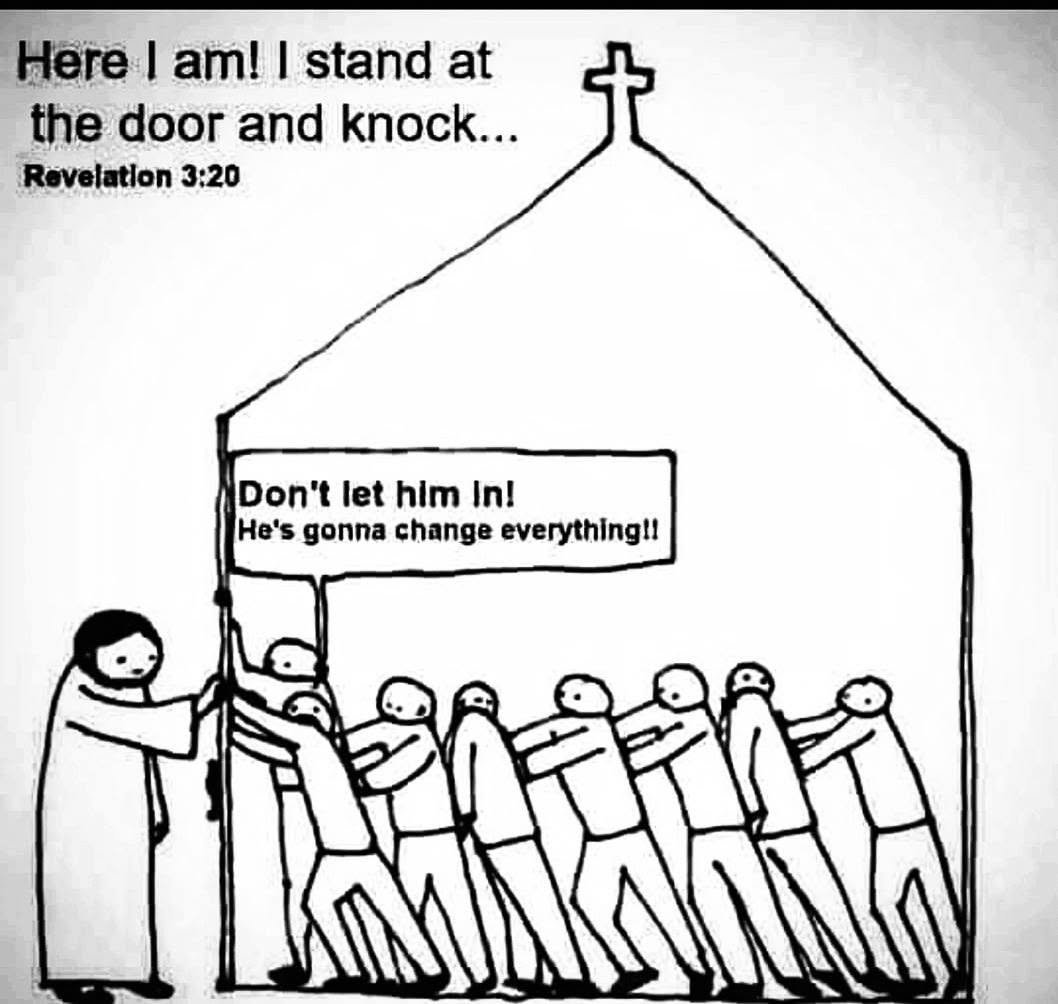
One of the most dangerous spiritual conditions is the state of comfortable Christianity. This occurs when individuals identify themselves as Christians but have no genuine commitment to the transformation that salvation requires.
These individuals often avoid spiritual responsibility because they prefer to remain within their personal comfort zones. Their faith becomes a private label rather than a living relationship with God.
Jesus warned about such superficial faith:
“Not every one that saith unto me, Lord, Lord, shall enter into the kingdom of heaven; but he that doeth the will of my Father which is in heaven.” — Matthew 7:21
Comfortable Christianity prioritizes personal safety, social reputation, and worldly stability over obedience to God. People in this condition may attend church, participate in religious activities, and maintain a respectable appearance in their communities. Yet their hearts remain self-centered and spiritually disengaged.
They are often critical of believers who passionately proclaim the truth or actively evangelize. Such critics label committed believers as extreme, pushy, or overly zealous. However, their criticism often reveals their own lack of concern for the eternal fate of others.
The reality is that genuine love for humanity compels believers to warn others about sin and the reality of judgment. Silence in the face of spiritual danger is not compassion; it is negligence.
________________________________________
The Reality of Hidden Sins
One of the central themes in God’s evaluation of human identity is the issue of hidden sin. Many people attempt to maintain a respectable public image while secretly engaging in sinful practices.
Yet Scripture clearly states:
“For God shall bring every work into judgment, with every secret thing, whether it be good, or whether it be evil.” — Ecclesiastes 12:14
Hidden sins may include immoral relationships, dishonesty in financial dealings, substance abuse, or deceitful behavior that remains concealed from society. While these actions may escape human detection, they are fully visible to God.
The Bible emphasizes that nothing is hidden from His sight:
“Neither is there any creature that is not manifest in his sight: but all things are naked and opened unto the eyes of him with whom we have to do.” — Hebrews 4:13
Some individuals justify their behavior by convincing themselves that their outward goodness compensates for their secret wrongdoing. They may believe that their charitable acts, professional achievements, or community respectability will secure their place in heaven.
However, God does not accept partial righteousness. Genuine salvation requires repentance and transformation, not merely outward appearances.
________________________________________
The Eternal Consequences of Spiritual Deception
Perhaps the most sobering reality addressed in this lesson is the possibility of self-deception. Many individuals believe they are spiritually secure when, in reality, they are walking on a path that leads to destruction.
Jesus delivered a powerful warning about this danger:
“Enter ye in at the strait gate: for wide is the gate, and broad is the way, that leadeth to destruction, and many there be which go in thereat.” — Matthew 7:13
Self-deception occurs when individuals create their own standards of righteousness rather than submitting to God’s standards. They convince themselves that being a “good person” is sufficient for salvation.
However, Scripture clearly teaches that salvation is only possible through Jesus Christ.
“Jesus saith unto him, I am the way, the truth, and the life: no man cometh unto the Father, but by me.” — John 14:6
Those who attempt to reach God through their own efforts or moral achievements ultimately discover that their efforts are insufficient. The holiness of God exposes every hidden sin and every act of hypocrisy.
This revelation often comes too late for those who persistently reject repentance.
________________________________________
The Necessity of Genuine Conversion
True Christianity is not merely a religious affiliation; it is a complete transformation of the heart. Genuine conversion involves turning away from sin and surrendering one’s life fully to God.
The Apostle Paul described this transformation:
“Therefore if any man be in Christ, he is a new creature: old things are passed away; behold, all things are become new.” — 2 Corinthians 5:17
When conversion is genuine, it produces visible change. The believer begins to hate sin and desire righteousness. Their priorities shift from worldly pursuits to spiritual growth and obedience to God.
This transformation is sustained by the Holy Spirit, who empowers believers to live holy lives.
However, those who refuse to abandon sinful habits demonstrate that their faith is merely superficial. True salvation cannot coexist with persistent rebellion against God.
________________________________________
Summary
The question “Who are you?” carries profound spiritual significance. Before God, identity is determined not by external labels but by spiritual reality. Those who are truly born again possess a new identity as sons and daughters of God, redeemed through the blood of Jesus Christ and empowered by the Holy Spirit.
However, many individuals live under the illusion of salvation while continuing in hidden sins and spiritual complacency. Comfortable Christianity, secret wrongdoing, and self-deception place countless souls in danger of eternal separation from God.
The Bible calls every person to examine their life honestly and to respond to the grace of God with genuine repentance and transformation.
________________________________________
Conclusion
Human life is brief, but eternity is everlasting. Each person will one day stand before God and give an account of their life. At that moment, social status, religious titles, and public reputation will have no value.
What will matter is whether a person truly belonged to Christ and whether their life demonstrated the fruit of genuine conversion.
The words of Jesus remind us of this reality:
“He that endureth to the end shall be saved.” — Matthew 24:13
Therefore, the question remains urgent and personal: Who are you before God?
________________________________________
Call to Action
Every individual must take time to examine their heart before God. Ask the Holy Spirit to reveal any hidden sins, false motivations, or areas of compromise that need repentance.
Do not rely on religious tradition or personal goodness as the foundation of salvation. Instead, surrender completely to the transforming power of Jesus Christ and commit to living a life of holiness and obedience.
________________________________________
Final Word of Encouragement
The message of repentance is not a message of condemnation but a message of hope. God desires that every person experience forgiveness, restoration, and eternal life.
The grace of God remains available to all who sincerely turn to Him. No sin is too great to be forgiven when a person humbles themselves before the Lord and seeks His mercy.
Today can be the beginning of a new life filled with purpose, peace, and eternal hope.
________________________________________
Salvation Prayer
Heavenly Father,
I come before You today with a humble heart. I acknowledge that I am a sinner and that I cannot save myself. I believe that Jesus Christ is Your Son, that He died on the cross for my sins, and that He rose again to give me eternal life.
Lord Jesus, I ask You to forgive all my sins and cleanse me with Your precious blood. I repent of every hidden sin and every wrong path I have followed. I surrender my life completely to You.
Come into my heart and be my Lord and Savior. Fill me with Your Holy Spirit and help me to live a life that pleases You.
From this day forward, I choose to follow You and walk in Your truth.
Thank You for saving me and making me a child of God.
In Jesus’ name,
Amen.
























Leave a Comment