

FROM RELIGION TO RECONCILIATION: Serving God in Spirit and in Truth By: Major Frank Materu
Key Scripture:
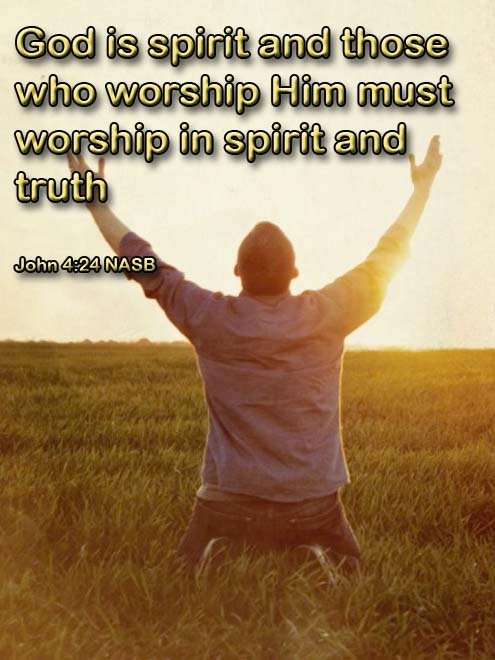
“God is a Spirit: and they that worship him must worship him in spirit and in truth.” — John 4:24
________________________________________
Introduction
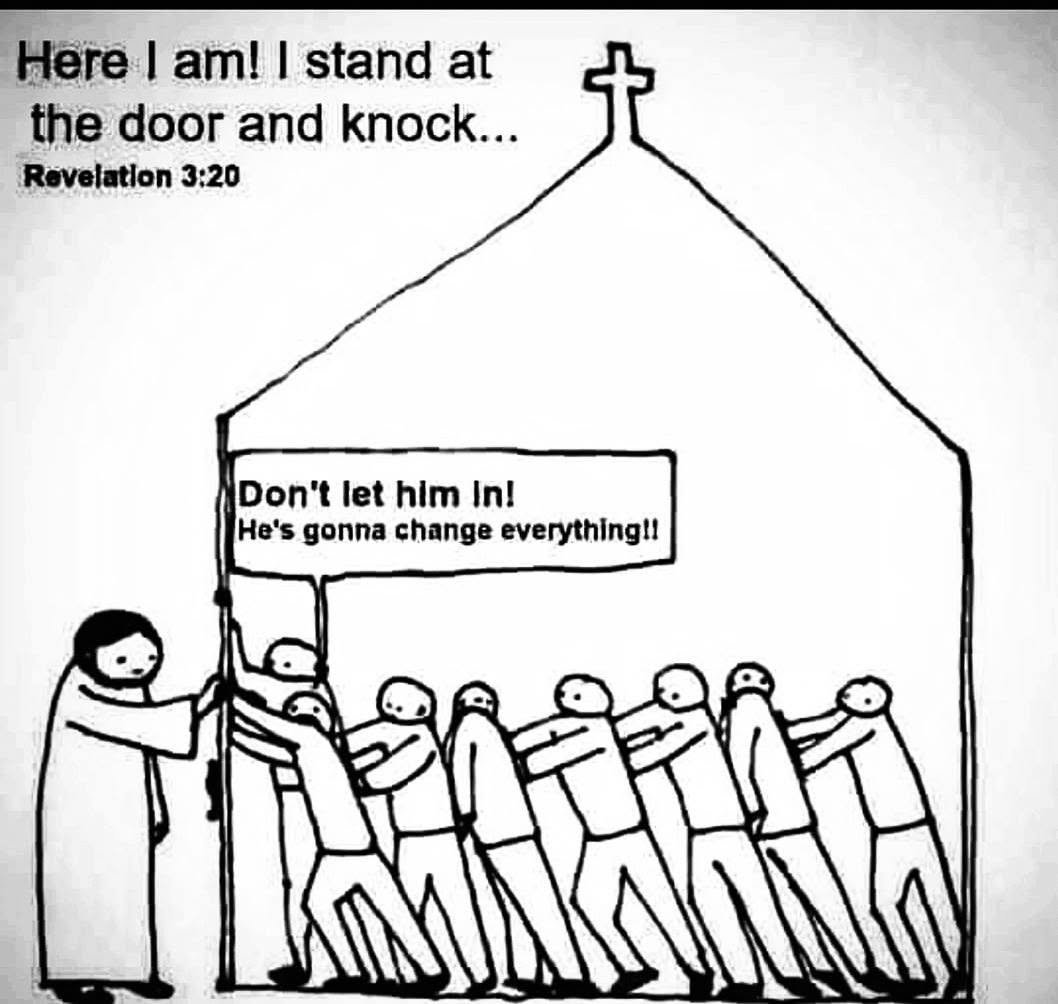
Throughout history, humanity has demonstrated a persistent tendency to institutionalize spiritual experiences into structured systems of religion. While structure and order can serve a purpose, the danger arises when tradition replaces transformation, when ritual substitutes for relationship, and when outward conformity masks inward emptiness. The message before us is a divine summons to move beyond the rut of religion and enter into the living reality of reconciliation with God.
Religion, in its external form, can become a comfortable routine. It offers familiarity, cultural identity, and social acceptance. Yet God does not seek mere observance of rituals; He desires a people alive in His Spirit. Many profess allegiance to God, yet their hearts remain distant. They attend services, repeat creeds, and maintain appearances, but they lack genuine communion with the Father.
This lesson examines the theological distinction between religion and relationship, between outward performance and inward transformation. It explores the necessity of repentance, reconciliation, spiritual discernment, and mental discipline under the governance of the Holy Spirit. It also addresses the grave consequences of hypocrisy and the urgent call to subject one’s mind and heart to divine authority.
The central truth remains clear: Jesus Christ did not come to establish another religion. He came to reconcile humanity to the Father. Where religion binds, reconciliation liberates. Where ritual stagnates, the Spirit vivifies. God calls His people to serve Him in spirit and in truth, walking in the light of His wisdom and bearing fruit that glorifies His Name.
________________________________________
The Rut of Religion Versus the Reality of Relationship
________________________________________
“This people draweth nigh unto me with their mouth, and honoureth me with their lips; but their heart is far from me.” — Matthew 15:8
Religion without relationship produces spiritual stagnation. Individuals become bound by traditions handed down through generations without understanding the heart of God behind them. Traditions, though sometimes rooted in sincere devotion, can become rigid frameworks that restrict spiritual vitality.
The rut of religion is characterized by routine without revelation. It is possible to engage in prayer, worship, and service while remaining disconnected from God’s Spirit. Such individuals may believe they are secure because they conform to established customs, yet their hearts are unmoved by divine truth.
God never intended for His people to settle into complacency. He desires intimacy, communication, and responsiveness to His Spirit. A living relationship requires attentiveness. It demands surrender, humility, and openness to correction.
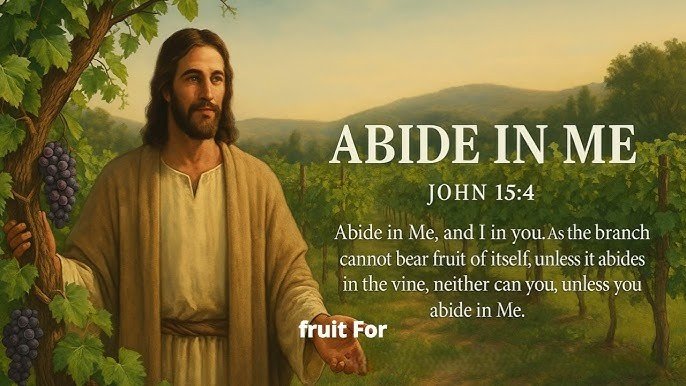
“Abide in me, and I in you.” — John 15:4
Abiding speaks of ongoing fellowship, not occasional observance. It is a daily dependence upon God’s presence and guidance. Without abiding, religion becomes hollow.
________________________________________
The Danger of Superficial Commitment
________________________________________
“And because iniquity shall abound, the love of many shall wax cold.” — Matthew 24:12
Many who profess faith fall away when persecution arises because their foundation is shallow. Their commitment is cultural rather than covenantal. When external pressures intensify, superficial faith collapses.
True commitment flows from personal conviction and intimate knowledge of God. Those who merely conform to religious expectations lack resilience. They are unacquainted with the voice of the Holy Spirit and therefore cannot discern His directives in times of testing.
“They on the rock are they, which, when they hear, receive the word with joy… and in time of temptation fall away.” — Luke 8:13
The absence of deep roots results in instability. God desires that His people seek His purpose as their reason for being. Christianity is not an accessory to life; it is the foundation of existence. Humanity was created to serve God with gladness, recognizing Him as the source of life.
The so-called “easy way” that many choose—living for self while maintaining religious appearance—is deceptive. What appears convenient leads ultimately to spiritual death.
“There is a way which seemeth right unto a man, but the end thereof are the ways of death.” — Proverbs 14:12
________________________________________
Jesus Christ: The Agent of Reconciliation, Not Religion
________________________________________
“And all things are of God, who hath reconciled us to himself by Jesus Christ.” — 2 Corinthians 5:18
The mission of Jesus Christ was not to establish another religious institution. He came to call humanity to repentance and restore broken fellowship with the Father. Reconciliation implies restoration of relationship after estrangement.
Humanity’s inclination toward control led to the formation of religious systems that often obscured the simplicity of the gospel. Instead of yielding to divine authority, people constructed frameworks that allowed them to manage spirituality on their terms.
Yet Christ’s message was clear.
“Repent: for the kingdom of heaven is at hand.” — Matthew 4:17
Repentance is relational. It is turning from self-rule to God’s sovereignty. It is not merely changing behavior but transforming allegiance. Through reconciliation, believers are enabled to walk circumspectly, bearing fruit that reflects God’s character.
“Herein is my Father glorified, that ye bear much fruit.” — John 15:8

________________________________________
Guarding the Mind: Subjecting Thoughts to the Spirit
________________________________________
“Casting down imaginations, and every high thing that exalteth itself against the knowledge of God.” — 2 Corinthians 10:5
One of the central themes of this message is mental discipline. The mind, if left unchecked, becomes fertile ground for deception. God commands that thoughts be brought into captivity to the obedience of Christ.
The carnal mind operates independently of divine truth. It is influenced by the old nature and susceptible to demonic suggestion.
“For to be carnally minded is death; but to be spiritually minded is life and peace.” — Romans 8:6
When individuals allow their thoughts to run unchecked, they risk becoming breeding grounds for destructive ideologies and spiritual darkness. Hypocrisy within religious communities often originates in unrestrained minds that entertain pride, lust, bitterness, and ambition.
Spiritual discernment is imperative. The Holy Spirit enables believers to distinguish between good and evil.
“But strong meat belongeth to them that are of full age… to discern both good and evil.” — Hebrews 5:14
Walking in the Spirit ensures clarity and illumination. Following one’s own understanding leads to corruption.
“Trust in the Lord with all thine heart; and lean not unto thine own understanding.” — Proverbs 3:5
________________________________________
The Consequences of Hypocrisy
________________________________________
“Woe unto you, scribes and Pharisees, hypocrites!” — Matthew 23:13
Religious hypocrisy has devastating consequences. When leaders misuse the Name of Christ for deceptive operations, they distort God’s character before the world. Many observers, witnessing such corruption, turn away not only from religion but from God Himself.
This tragic outcome is not God’s intention. He desires upliftment and redemption, not scandal and stumbling blocks.
“It must needs be that offences come; but woe to that man by whom the offence cometh.” — Matthew 18:7
Those who falsely represent Christ will be held accountable. Yet individuals who allow bitterness toward hypocrites to separate them from God also suffer loss. The failure of others does not nullify God’s faithfulness.
God remains committed to reconciliation and eternal life. He calls His people to gratitude for redemption secured through Christ.
“In whom we have redemption through his blood.” — Ephesians 1:7
________________________________________
Serving with Gratitude and Walking in Divine Wisdom
________________________________________
“Serve the Lord with gladness.” — Psalm 100:2
An attitude of gratitude transforms service from obligation to joy. Recognizing God as the source of life cultivates humility and thankfulness.
Wisdom is not self-generated; it is divinely imparted.
“If any of you lack wisdom, let him ask of God.” — James 1:5
Those who seek divine wisdom are preserved from folly. They understand the necessity of subjecting mind and heart to the Spirit. Such submission results in peace.
“And the peace of God, which passeth all understanding, shall keep your hearts and minds through Christ Jesus.” — Philippians 4:7
When believers follow the pattern established by Christ—obedience, humility, communion with the Father—they experience the perfect peace prepared for them.
________________________________________
Summary
God calls His people out of the rut of religion into the vitality of reconciliation. Outward rituals cannot replace inward devotion. Superficial commitment collapses under pressure, while genuine relationship endures. Jesus Christ came not to found another religion but to restore humanity to the Father. Guarding the mind under the Spirit’s authority is essential to spiritual growth. Hypocrisy damages both individuals and communities, yet gratitude and divine wisdom preserve those who seek God sincerely.
________________________________________
Conclusion
The distinction between religion and reconciliation is eternal in consequence. Religion without relationship breeds complacency, hypocrisy, and spiritual decay. Reconciliation produces intimacy, fruitfulness, discernment, and peace.
God’s intention is not that people be trapped in rituals devoid of life, but that they be redeemed, uplifted, and filled with His Spirit. He calls for wholehearted devotion, mental discipline, and grateful service.
Each day presents a choice: to follow the carnal mind or the Spirit’s wisdom; to cling to tradition without transformation or to embrace reconciliation with the Father through Christ.
The pattern has been established. Jesus lived in obedience, communion, and surrender. His followers are called to do the same.
________________________________________
Call to Action
Examine your spiritual life honestly. Ask whether your devotion is rooted in relationship or confined to routine. Repent of complacency and superficiality. Invite the Holy Spirit to search your heart and discipline your thoughts.
Commit to seeking God daily, not merely performing religious duties. Choose reconciliation over ritual, obedience over appearance, and intimacy over tradition.
Let your life reflect genuine transformation.
________________________________________
Final Word of Encouragement
God desires your fellowship. He has prepared peace for those who choose His way. As you subject your mind to His Spirit and serve with gratitude, you will walk in light and bear fruit that glorifies Him.
You are called not to death and damnation but to reconciliation and eternal life. Remain steadfast. Seek divine wisdom. Walk in the peace that flows from obedience.
The Father’s heart remains open to all who turn to Him.
________________________________________
Salvation Prayer
Heavenly Father,
I come before You acknowledging that I have often relied on religion rather than true relationship. I confess that my heart has not always been fully committed to You. Forgive me for hypocrisy, complacency, and self-rule.
I believe that Jesus Christ is Your Son, sent to reconcile me to You. I repent of my sins and turn away from the carnal mind that leads to death. Cleanse me through the blood of Jesus and restore me into right relationship with You.
Fill me with Your Holy Spirit. Teach me to worship You in spirit and in truth. Help me to guard my thoughts, to walk in obedience, and to serve You with gladness and gratitude.
I surrender my life to You completely. Keep me in Your peace and guide me in Your wisdom all my days.
In Jesus’ Name,
Amen.































Leave a Comment