

DELIVERED FROM THE RUT OF RELIGION: Serving God in Spirit and in Truth By: Major Frank Materu
Key Scripture:
“God is Spirit, and those who worship Him must worship in spirit and truth.” — John 4:24
________________________________________
Introduction: The Tragedy of Religion Without Relationship
Throughout history, humanity has demonstrated an extraordinary ability to transform divine revelation into structured religion while losing the very heart of God in the process. Ritual replaces relationship. Tradition overshadows truth. External observance substitutes for inward transformation. What begins as a living encounter with God gradually hardens into routine, performance, and inherited custom. This is what may be described as the “rut of religion.”
The Living God has never desired mechanical devotion. He has never been satisfied with outward conformity that conceals inward distance. From the earliest pages of Scripture to the teachings of Jesus Christ, the divine call has always been relational. God seeks hearts fully yielded to Him, minds aligned with His Spirit, and lives bearing fruit consistent with repentance and reconciliation.
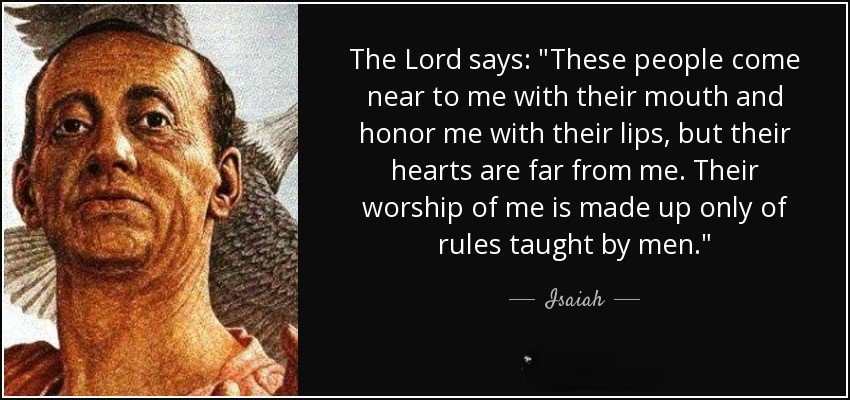
The prophet Isaiah recorded the Lord’s lament: “This people draws near to Me with their mouth, and honors Me with their lips, but their heart is far from Me.” — Isaiah 29:13. Centuries later, Jesus echoed the same rebuke when confronting religious leaders who preserved tradition while neglecting intimacy with God. The issue was never the absence of religious activity; it was the absence of genuine communion.
This lesson addresses the spiritual danger of becoming bound in tradition without being alive in the Spirit. It confronts the illusion of security that external religion provides. It exposes the vulnerability of those who fall away under persecution because they lack rootedness in relationship. It calls believers to bring their thoughts into submission to the Holy Spirit and to reject the corruption of the carnal mind. Above all, it presents reconciliation through Jesus Christ not as the establishment of another religion, but as the restoration of humanity to fellowship with the Father.
________________________________________
The Rut of Religion Versus Life in the Spirit
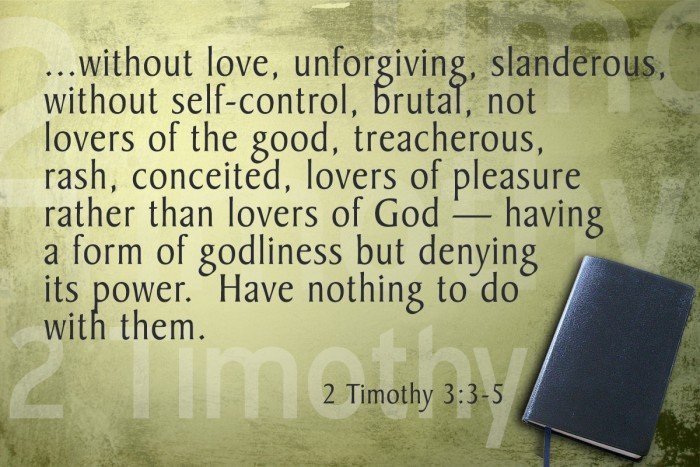
“Having a form of godliness but denying its power.” — 2 Timothy 3:5
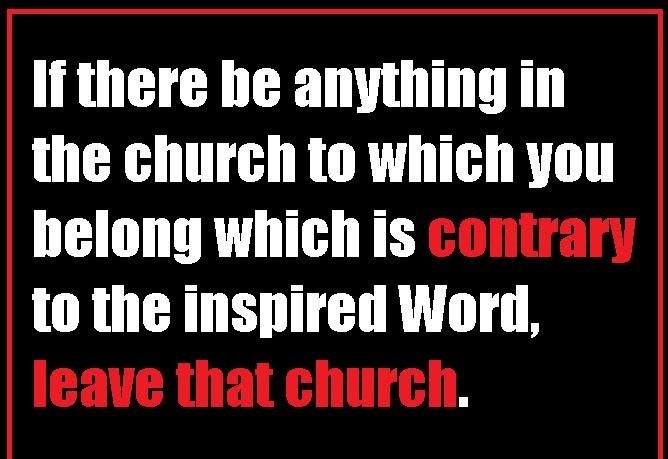
Religion, when detached from spiritual vitality, becomes a rut — a repetitive cycle of activity devoid of transformation. Traditions passed down through generations may preserve structure, but they cannot impart life. When individuals rely upon inherited systems without personal encounter, their faith becomes fragile.
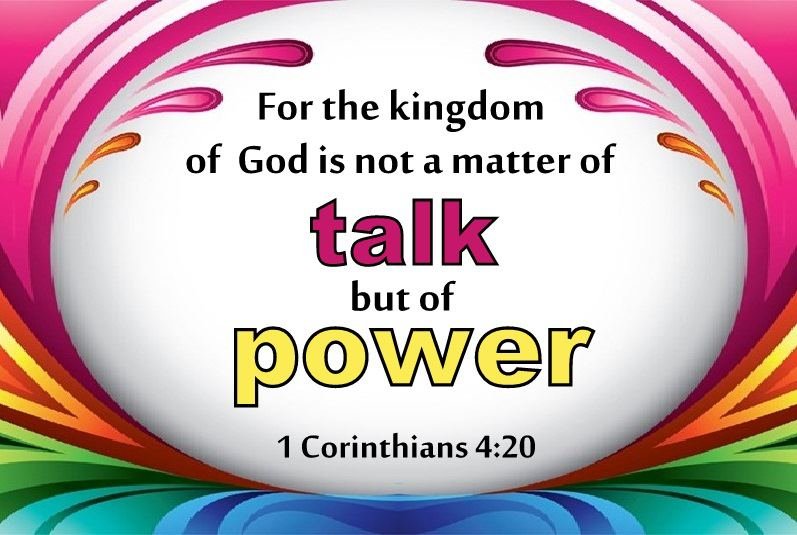
God’s desire is not mere attendance at services, recitation of creeds, or adherence to customs. He seeks living communion. The apostle Paul reminds believers that the Kingdom of God is not a matter of outward ritual but spiritual reality: “For the kingdom of God is not in word, but in power.” — 1 Corinthians 4:20.
When people are not attentive to the directives of the Holy Spirit, they default to routine. They appear religious, yet their hearts pursue self-interest. Such externalism provides temporary comfort but offers no endurance when opposition arises. The parable of the sower illustrates this truth. “When tribulation or persecution arises because of the word, immediately he stumbles.” — Matthew 13:21. Without depth of root, faith withers under pressure.
God never intended His people to settle into lifeless observance. He calls them into dynamic fellowship that transforms thought, motive, and action.
________________________________________
The Call to Reconciliation, Not the Establishment of Religion
“Now all things are of God, who has reconciled us to Himself through Jesus Christ.” — 2 Corinthians 5:18
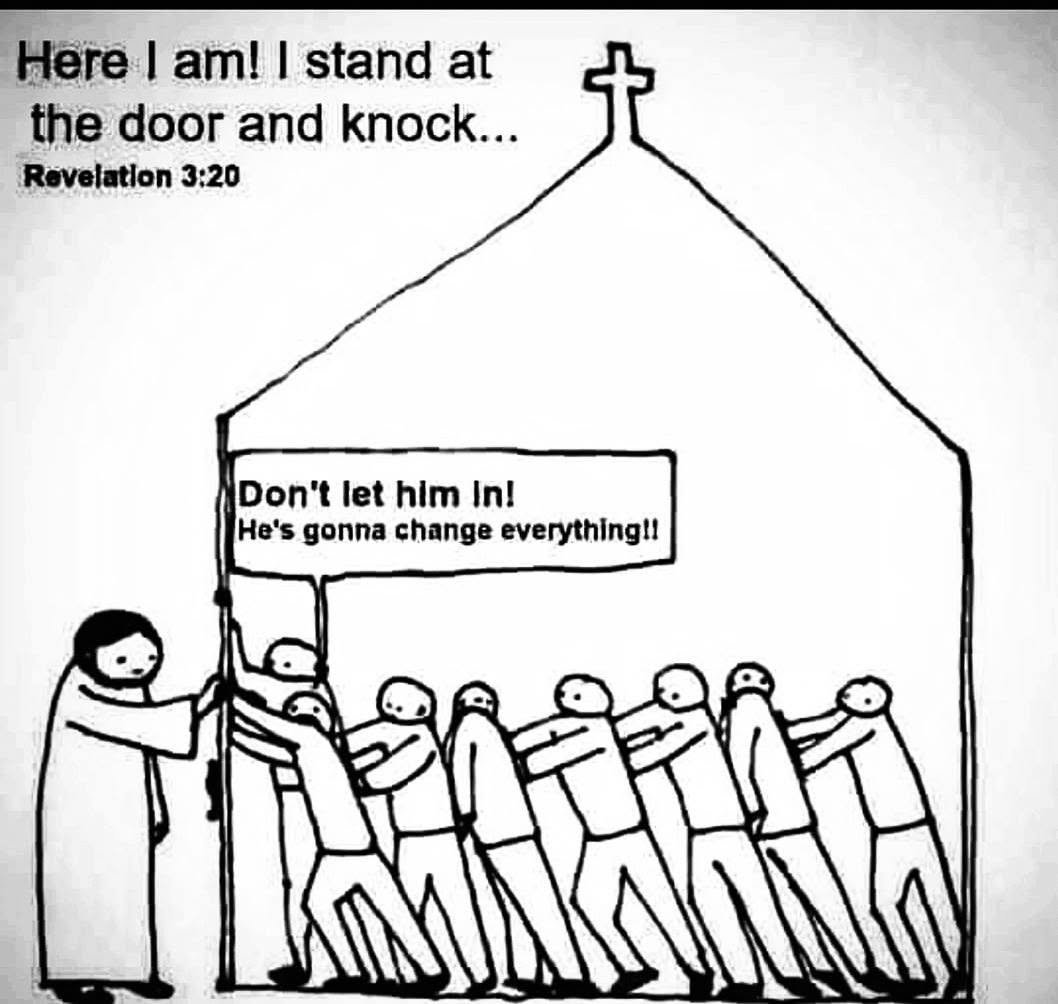
Jesus Christ did not come to inaugurate a new religious institution competing among others. He came as the mediator of reconciliation. Humanity, estranged through sin, required restoration to the Father. The Cross was not a symbol of ritual enhancement but the means of relational redemption.
Reconciliation restores intimacy. It enables believers to abide in God’s presence rather than merely reference His name. Jesus declared, “Abide in Me, and I in you.” — John 15:4. This abiding is relational and ongoing.
Yet human tendencies gravitate toward control. Structured religion can become a mechanism through which individuals maintain authority, influence, and recognition. History reveals repeated patterns where spiritual leadership prioritizes position over purity. When religion becomes a tool of control, it misrepresents the heart of God.
True reconciliation produces fruit. When individuals recognize their need for forgiveness and restoration, they walk circumspectly. They become attentive to divine direction and yield to the transforming work of the Spirit.
________________________________________
The Danger of the Carnal Mind
“For to be carnally minded is death, but to be spiritually minded is life and peace.” — Romans 8:6
A central theme in this teaching is the necessity of bringing thoughts into submission to the Spirit of God. The mind is a battlefield. When left unguarded, it becomes fertile ground for deception. The apostle Paul instructs believers to take “every thought into captivity to the obedience of Christ.” — 2 Corinthians 10:5.
The carnal mind, shaped by the old nature, resists divine authority. It rationalizes sin, minimizes conviction, and nurtures pride. It cannot comprehend spiritual truth because it is darkened. “The natural man does not receive the things of the Spirit of God.” — 1 Corinthians 2:14.
When individuals allow their minds to wander without discipline, they risk becoming influenced by destructive ideologies and demonic impulses. Spiritual discernment is therefore essential. The Holy Spirit differentiates between good and evil, truth and deception. Submission to His guidance safeguards the believer’s development.
To follow one’s own understanding without reference to divine wisdom is to embrace instability. “There is a way that seems right to a man, but its end is the way of death.” — Proverbs 14:12. God’s call is not toward self-reliance but toward surrendered trust.
________________________________________
Hypocrisy and Its Consequences
“You shall know them by their fruits.” — Matthew 7:16
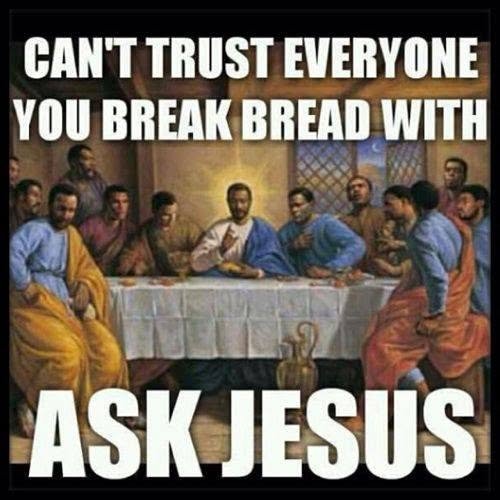
Religious hypocrisy produces profound damage. When individuals publicly profess faith yet privately pursue corruption, observers become disillusioned. Some reject not only the hypocrite but the faith itself. This tragedy underscores the responsibility borne by those who represent Christ.
God does not delight in hollow ritual accompanied by worldly lust. “Do not love the world or the things in the world.” — 1 John 2:15. When believers crave worldly validation while maintaining religious appearance, they distort the Gospel.
The consequences of hypocrisy extend beyond personal failure. It can lead others astray, causing them to yield to strange spirits and destructive influences. Yet the fault does not lie with God’s intention. His desire remains redemptive and uplifting. He calls people into blessedness, not bondage.
________________________________________
Gratitude, Wisdom, and Submission to the Spirit
“Trust in the Lord with all your heart, and lean not on your own understanding.” — Proverbs 3:5
An attitude of gratitude sustains spiritual vitality. When believers thank God for redemption and reconciliation, they cultivate humility and awareness of grace. Gratitude guards against entitlement and pride.
Wisdom arises from seeking divine counsel. “If any of you lacks wisdom, let him ask of God.” — James 1:5. The wise recognize their dependence upon the Spirit. They submit their thoughts, ambitions, and decisions to His guidance.
Submission is not weakness; it is alignment with life. When believers choose God’s way, they experience peace. “You will keep him in perfect peace, whose mind is stayed on You.” — Isaiah 26:3. The peace promised is not circumstantial but relational.
Jesus established the pattern of obedience. He declared, “I do always those things that please Him.” — John 8:29. His example invites imitation. To follow Him is to embrace surrendered living.
________________________________________
Living in the Light of Eternal Purpose
“Walk as children of light.” — Ephesians 5:8
God’s intention is not condemnation but restoration. He calls humanity away from death and toward eternal life. The destiny of the old nature is destruction, but the destiny of the reconciled is communion.
Each day presents opportunity to choose alignment with the Spirit. By submitting mind and heart to God, believers walk in light rather than darkness. This choice determines growth, fruitfulness, and enduring peace.
To reject this call leaves individuals without excuse. Divine revelation has been made accessible. The Spirit convicts and guides. Grace empowers obedience. The responsibility rests upon the hearer to respond.
________________________________________
Summary
The rut of religion represents external observance without internal transformation. God seeks worshippers who serve Him in spirit and truth. Jesus Christ came not to establish another religion but to reconcile humanity to the Father. The carnal mind leads to death, while submission to the Spirit leads to life and peace. Hypocrisy damages both the individual and observers. Gratitude, wisdom, and obedience safeguard spiritual growth. God’s intention is reconciliation and eternal life.
________________________________________
Conclusion
The call of God remains urgent and compassionate. He desires relationship, not ritual; obedience, not appearance; reconciliation, not religious routine. To remain in the rut of religion is to forfeit the vibrancy of divine fellowship.
Yet hope abounds. Through Christ, redemption is available. Through the Spirit, transformation is possible. Through daily submission, peace is assured.
________________________________________
Call to Action
Examine your spiritual posture. Move beyond inherited tradition into living communion. Bring your thoughts into captivity to Christ. Seek the guidance of the Holy Spirit. Reject hypocrisy. Embrace reconciliation. Walk deliberately in obedience and gratitude.
________________________________________
Final Word of Encouragement
God’s purpose for you is not condemnation but communion. He has prepared peace for those who choose His way. As you align your mind and heart with His Spirit, you will discover clarity, stability, and joy. He calls you not into death, but into eternal life. Choose His way and remain in His peace.
________________________________________
Salvation Prayer
Heavenly Father, I acknowledge that I have often settled for religion without true relationship. Forgive me for allowing my heart to drift from You. I believe that Jesus Christ is Your Son, who died for my sins and rose again to reconcile me to You. I surrender my mind, my heart, and my life to Your Spirit. Deliver me from the carnal mind and from hypocrisy. Fill me with Your Holy Spirit and teach me to walk in truth and obedience. I choose reconciliation and eternal life in You. In Jesus’ Name, Amen.























Leave a Comment