

The Certainty of Divine Justice Against the Hypocritical and Unjust By: Major Frank Materu
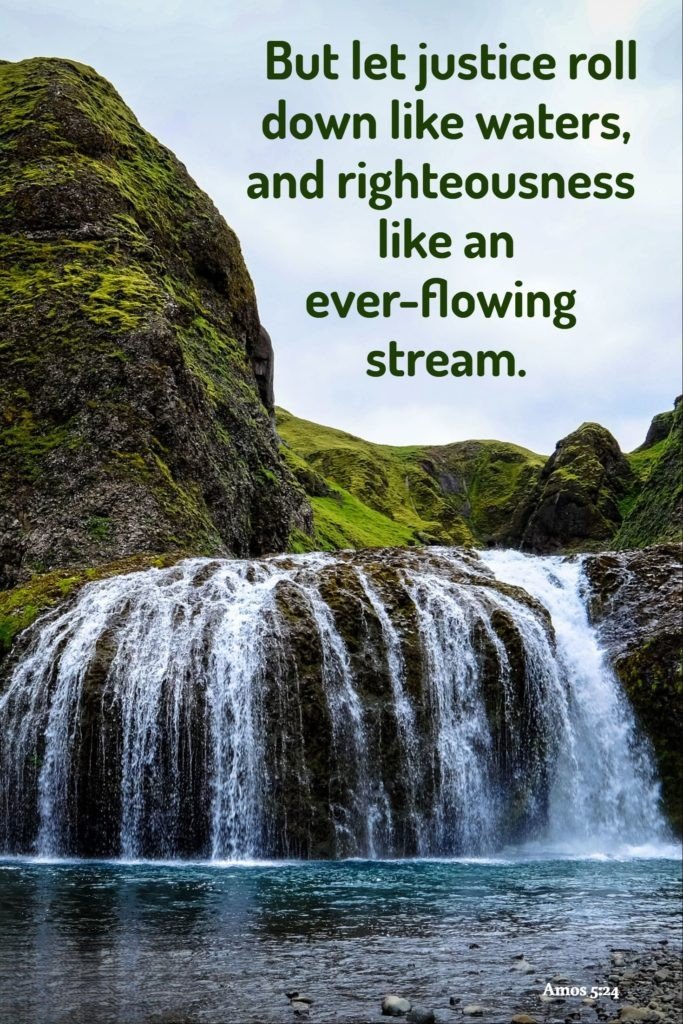
Key Scripture: But let justice run down like water, and righteousness like a mighty stream. (Amos 5:24)
Introduction
In a world plagued by injustice, cruelty, and the self-righteousness of the powerful, it is easy to feel a sense of hopelessness. We witness daily the arrogance of those who have become a "law unto themselves," inflicting pain and suffering on others while imagining they are invincible. Their hearts are hardened, their deeds are wicked, and they operate with a callous disregard for truth and compassion. Yet, the divine message before us offers a powerful and unwavering assurance: this state of affairs is not eternal. There is a Living God who sees, hears, and acts. This lesson will explore the unwavering truth of divine justice, examining the nature of the wicked, the hypocrisy of religious pride, and the ultimate certainty that God will bring down those who oppress His people. We will delve into the profound reality that God remembers the cries of the righteous and will one day pour out His wrath upon the unrepentant. Finally, this lesson will provide a clear guide for God’s people on how to respond to this truth: to not be shocked by divine judgment, to avoid false compassion, and to live with hearts rightly aligned with their Maker.
________________________________________
The Folly and Hardness of the Wicked
The text begins by drawing our attention to the "injustices that are done every day by those whose hearts are full of hardness." These individuals are not simply making mistakes; they have become "a law unto themselves," full of their own ways and convinced of their own righteousness. They imagine themselves to be invincible, a delusion that is ultimately their downfall. The divine message is unequivocal: God will bring them down. This is not a mere possibility but a certainty. Their impending destruction is described as a total devastation, a decision rooted in God's desire to bring them to the "justice they deserve." This is a strong warning against looking at the end of the wicked and feeling "false compassion." We are reminded that God's ways are "just," and His decisions are based on "righteousness and justice." Therefore, we should not be shocked by the severe measures taken against the wicked for all the evil they have done, especially to God's own people.
The cycle of wickedness is presented as a repeating pattern across generations of the "damned." They are "convinced of their own ways" and will "stop at nothing to bring such forth." They are driven by a singular purpose: to destroy the righteous and silence the call for repentance. These evildoers are described as having pushed themselves "over the brink of no-return," their hearts so calloused and determined to "render evil for good." The text assures us that God daily "watches for My people and hears their cries." The wicked who delight in the destruction of the righteous will themselves be destroyed, a testament to God's protective nature and His commitment to justice.
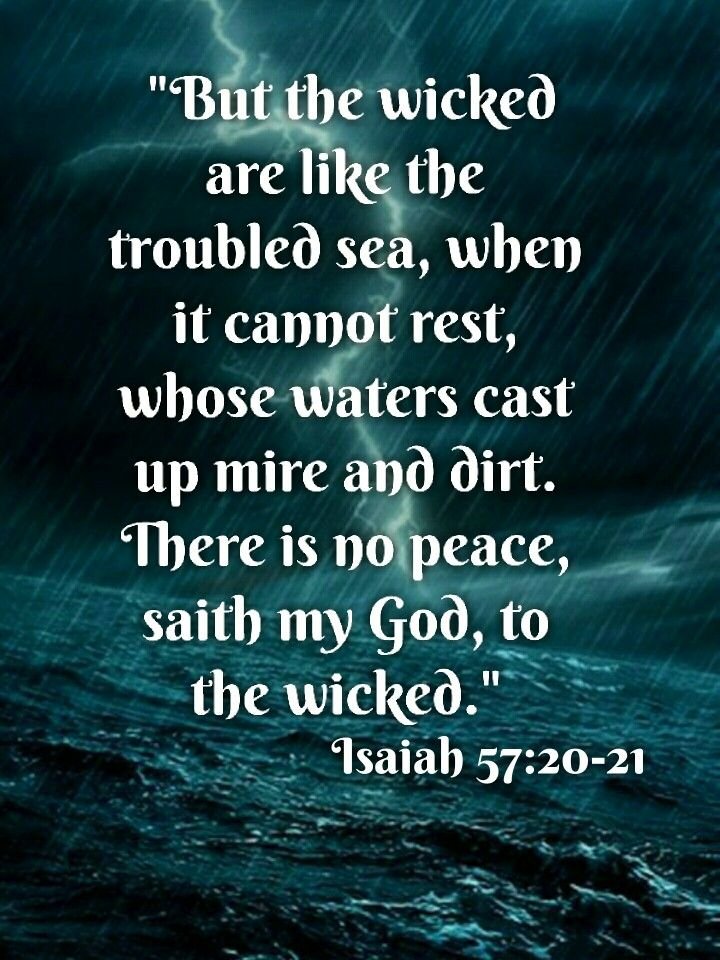
But the ungodly are like the troubled sea, when it cannot rest, whose waters cast up mire and dirt. There is no peace, says my God, for the wicked. (Isaiah 57:20-21)
________________________________________
The Hypocrisy of Religious Pride and Its Deadly End
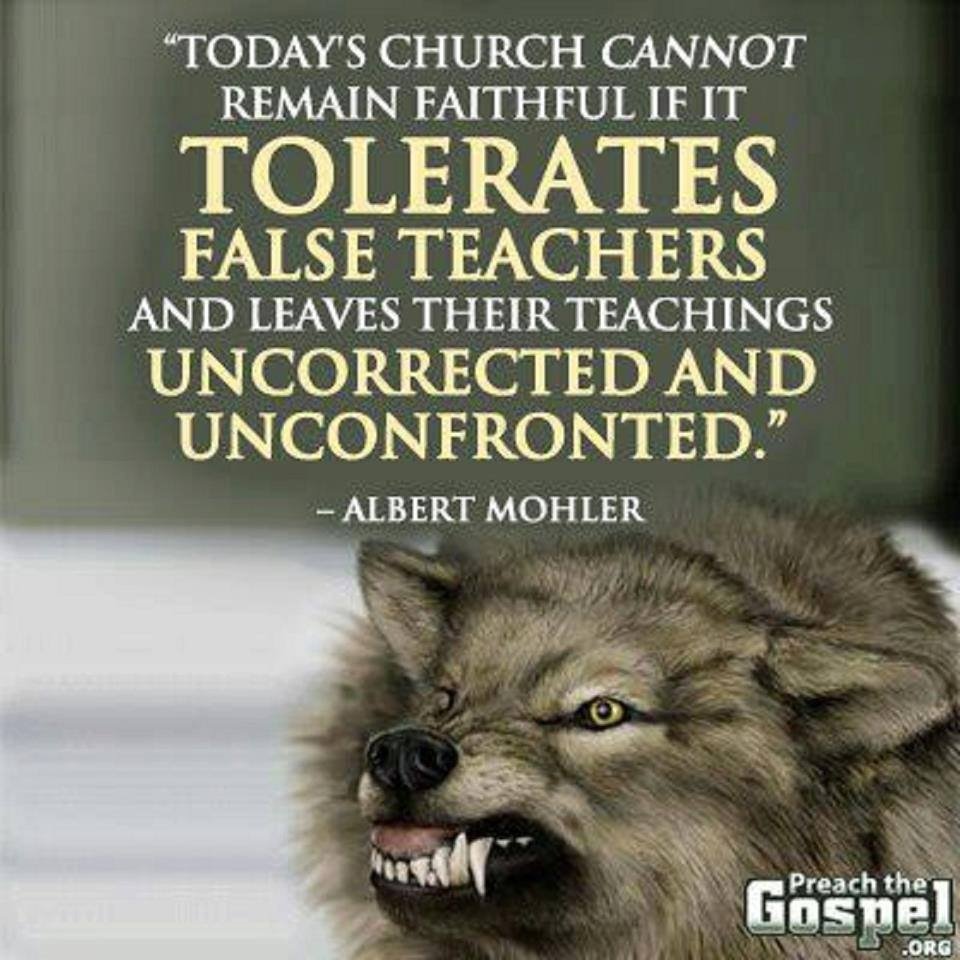
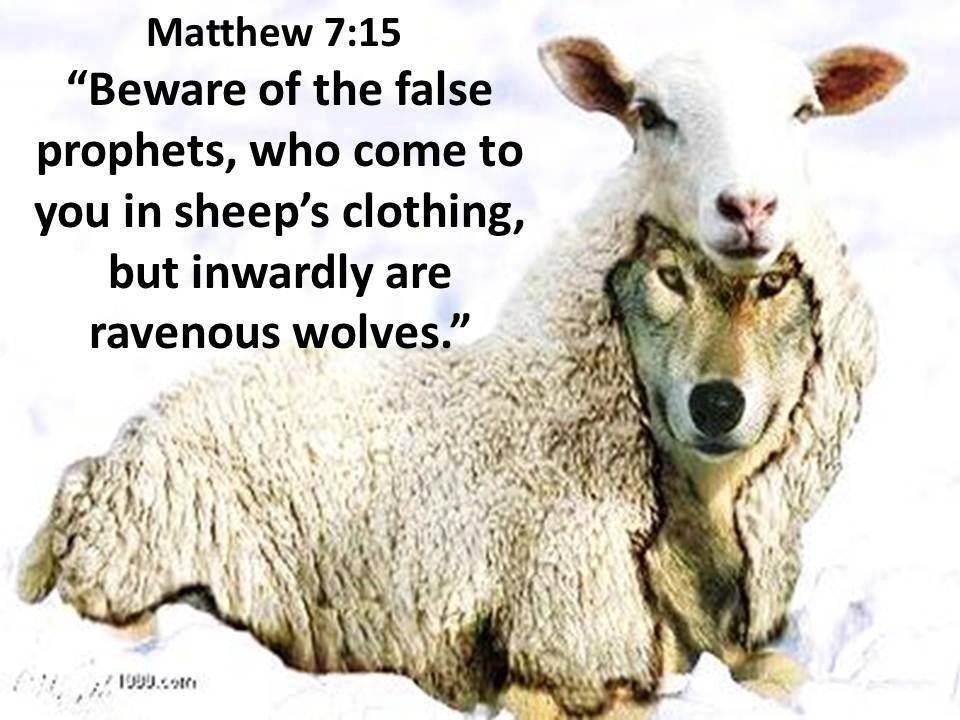
A significant portion of the text is dedicated to exposing a particularly dangerous form of wickedness: religious hypocrisy. It uses the example of the religious leaders who opposed Jesus, who were "dead set against repentance." These individuals despised the righteous because the lives of the righteous exposed their own ungodly choices and lifestyles. They were so filled with hatred that they were "murderous towards them," as demonstrated by their desire to see Jesus dead. Their plots and schemes were relentless, all because Jesus lived the life that God intended for humanity.
The hypocrisy of these leaders was profound. They used the very law they never kept to justify their evil schemes against Jesus. They lorded the law over the common people with cruelty, not the compassion God intended. Their motive was not to serve God but to "rule and lord over My people and keep them in the bondage of religion." They actively sought to prevent people from having a true relationship with God because it would threaten their own power over the multitudes. Their actions were the deeds of the devil, indulging in hatred and bitter railings. The text highlights their utter foolishness, as they were offered an opportunity to repent but refused, choosing instead to put truth to death.
These spirits of religious pride and self-righteousness are still at work today, holding people captive. Those "steeped in religious pride are bound and determined that they are right," yet they are "wrong before Me." They love the "chains of pride and contempt for Me" that hold them captive, so they do not desire to be free. The text describes their actions as being "full of hypocrisy and injustices towards others." They will not repent or see their true nature because they are "lovers of the deceits and transgressions they live in daily." Their love of deception blinds them to their own evil.
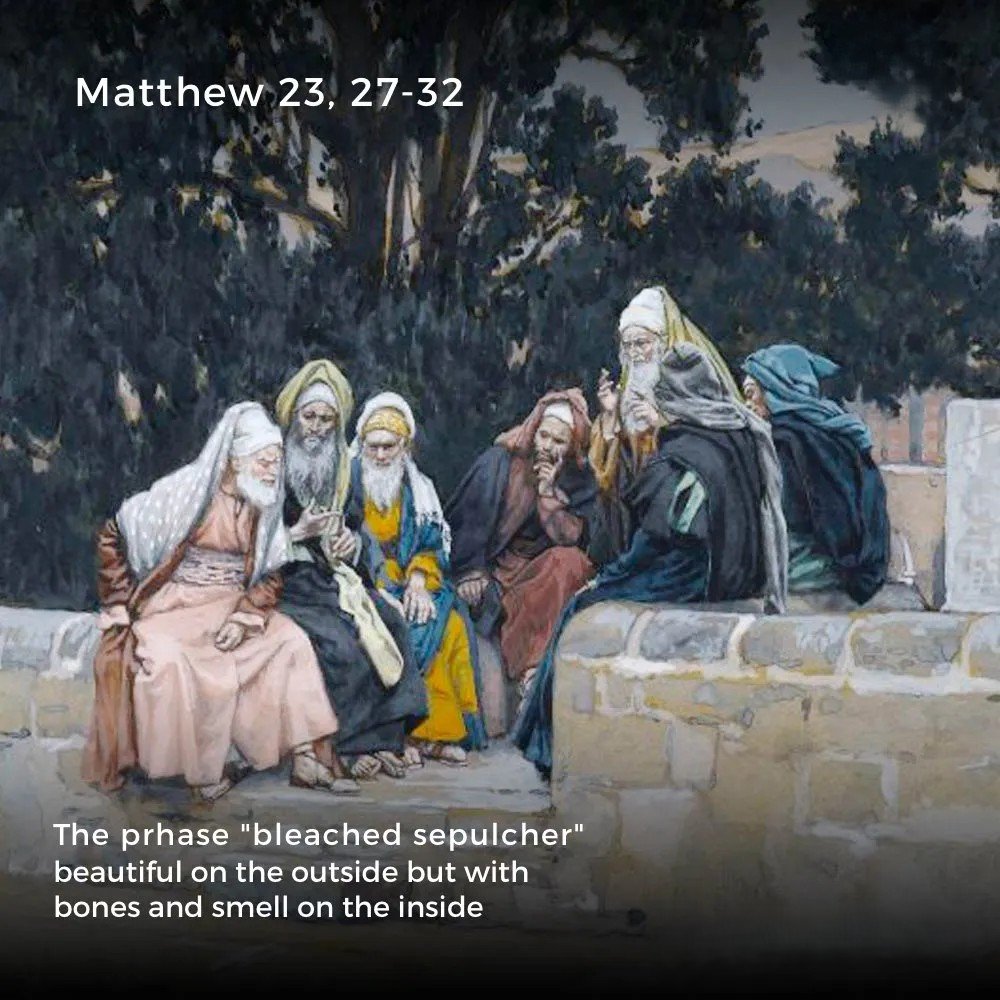
Woe to you, scribes and Pharisees, hypocrites! For you are like whitewashed tombs which indeed appear beautiful outwardly, but inside are full of dead men’s bones and all uncleanness. (Matthew 23:27)
________________________________________
The Certainty of Divine Retribution and the Call to a Right Heart
The divine message culminates in the powerful assurance of God's justice. When we see God's hand of justice against the "proud, murderous hypocrites," we are to understand that this judgment is not arbitrary. It is "brought forth in answer to the cries and pleas of those who are suffering under the unjust rule." God's silence is not a sign of His absence or indifference; it is a period of waiting until the "cup of the wicked is full." When that time comes, He will pour out His "wrath, fury and indignation against them." The wicked, in their final moments, may cry out, but it will be "too late" because their hearts are too hard to truly humble themselves.
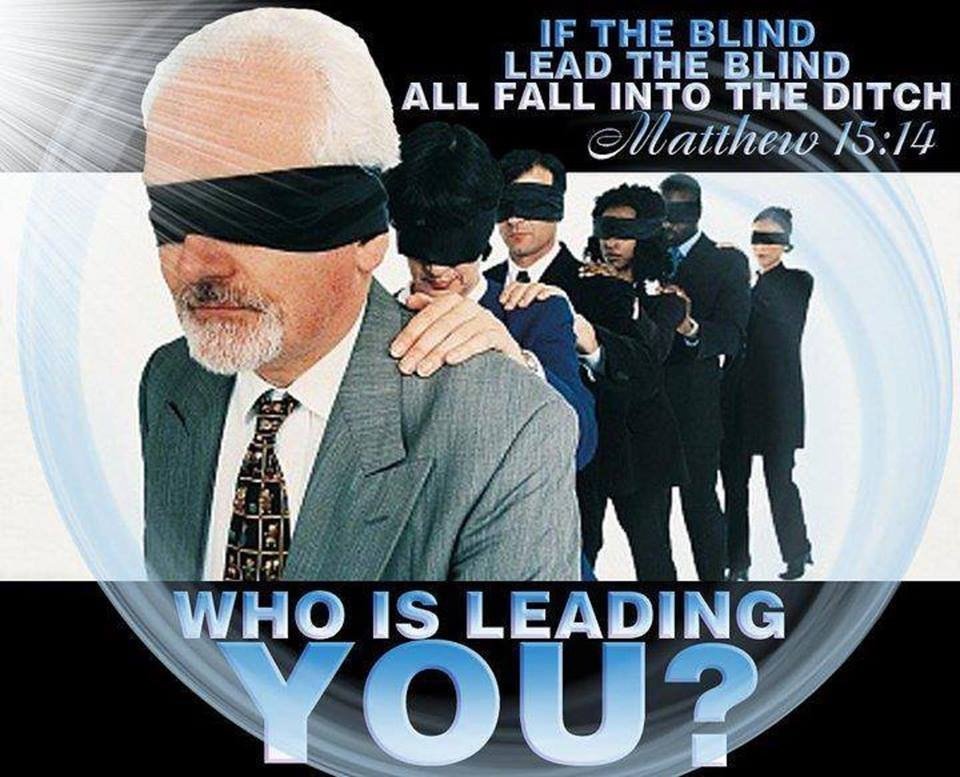
The text issues a very specific instruction to God's people: "Do not mourn the death of the wicked." To do so, to express "false mourning," is to become a "hypocrite before Me." We are not called to "play the hypocritical pretender’s role" but to keep our hearts "right before Me and to walk in the way that I intend." This means aligning our emotions and perspectives with God's righteous judgment. We are meant to be thankful that we can "live in Me as you are being kept in these times of great injustices by lying leaders." Our focus should be on our own fidelity and God's faithfulness, not on the tragic end of those who willingly chose damnation.
For evildoers shall be cut off; but those who wait on the LORD, they shall inherit the earth. (Psalm 37:9)
________________________________________
Summary
This lesson offers a profound and challenging perspective on divine justice. It reveals that the injustices committed by the hard-hearted and self-righteous are not ignored by God. It exposes the folly of those who believe they are invincible, assuring us that God's justice is certain and will bring them to ruin. The text specifically warns against the insidious evil of religious hypocrisy, using the example of those who opposed Jesus to illustrate how pride and a lust for power can blind people to their own wickedness. It reminds us that these religious leaders wanted to control people through bondage, not free them through a relationship with God. The lesson concludes by establishing that divine judgment is a righteous response to the cries of the oppressed and should not be a cause for false mourning among the righteous. Instead, we are called to align our hearts with God's justice, be thankful for His protection, and live with integrity in a time of great injustice.
Conclusion
In a world where injustice seems to triumph, this message serves as a powerful reminder of God's sovereignty and His unwavering commitment to justice. The hard-hearted and hypocritical may have their day, but their end is certain. God hears the cries of His people, and their pleas will be answered with a righteous and decisive judgment against their oppressors. Our calling is not to despair or to adopt the ways of the world but to keep our hearts pure, to walk uprightly, and to trust in the ultimate victory of God's justice.
The Call to Action
Examine your own heart for any traces of hardness, pride, or hypocrisy. Have you become a law unto yourself, or are you submitted to God's will? Do you harbor any false compassion for those whose injustices cause suffering to others? Align your perspective with God's. Walk in righteousness and truth, and do not be swayed by the lies of this world. Be a voice for the oppressed, and a living testament to the justice and mercy of God.
A Final Word of Encouragement
Even in these times of great injustice and turmoil, you are not forgotten. God watches over His people and hears your every cry. Be thankful that you can live in Him and be kept safe from the madness of the world. Hold fast to your faith, for your deliverance is certain, and the justice of the Lord will prevail.
Sala ya Wokovu (Prayer of Salvation)
Lord Jesus, I see the injustice in the world and I know my own heart can sometimes be hard and proud. I repent of my sins and I ask for Your forgiveness. I believe that You are the Son of God, that You came to bring truth and justice, and that You died and rose again for my salvation. I invite You into my heart to be my Lord and Savior. Help me to have a heart that is soft towards You and others, and to never fall into the trap of self-righteousness. Help me to walk in Your ways, to love truth, and to trust in Your perfect justice. Thank You for saving me and for being my protector in this world. In Your holy name, I pray. Amen.









Leave a Comment