
THE COST OF SPEAKING THE TRUTH: THE CALLING, COURAGE, AND ENDURANCE OF GOD’S TRUE PROPHETS By: Major Frank Materu
Key Scripture
“Cry aloud, spare not, lift up thy voice like a trumpet, and shew my people their transgression, and the house of Jacob their sins.” (Isaiah 58:1, KJV)
________________________________________
Introduction
Throughout biblical history, God has consistently raised up prophets to speak His truth to His people. These men and women were not chosen because they were popular, influential, wealthy, or widely accepted. Rather, they were chosen because they were willing to hear God's voice and faithfully communicate His message regardless of the personal cost. The ministry of the true prophet has never been centered on popularity, public approval, or personal gain. Instead, it has always been centered on obedience to God and commitment to truth.
One of the greatest spiritual realities that believers must understand is that truth and popularity do not always walk together. In fact, throughout Scripture, those who faithfully proclaimed God's truth often encountered resistance, rejection, persecution, ridicule, and even death. The reason is simple: fallen humanity naturally resists correction. People who are comfortable in sin often prefer comforting lies to convicting truth. As a result, God's messengers frequently become targets of hostility because they expose what many people wish to conceal.
In our modern generation, this reality remains unchanged. There continues to be a great conflict between truth and deception, righteousness and compromise, obedience and rebellion. Many desire messages that affirm their desires, justify their lifestyles, and promise blessings without repentance. Consequently, false prophets who offer flattering words often attract large audiences, while true prophets who call people to repentance are frequently rejected.
This lesson explores the biblical role of true prophets, the opposition they face, the dangers of people-pleasing, the spiritual battle surrounding truth, and the eternal rewards awaiting those who remain faithful to God's calling. It challenges believers to embrace truth, honor God's messengers, and remain steadfast in their commitment to righteousness regardless of societal pressures.
________________________________________
The Purpose of God's True Prophets
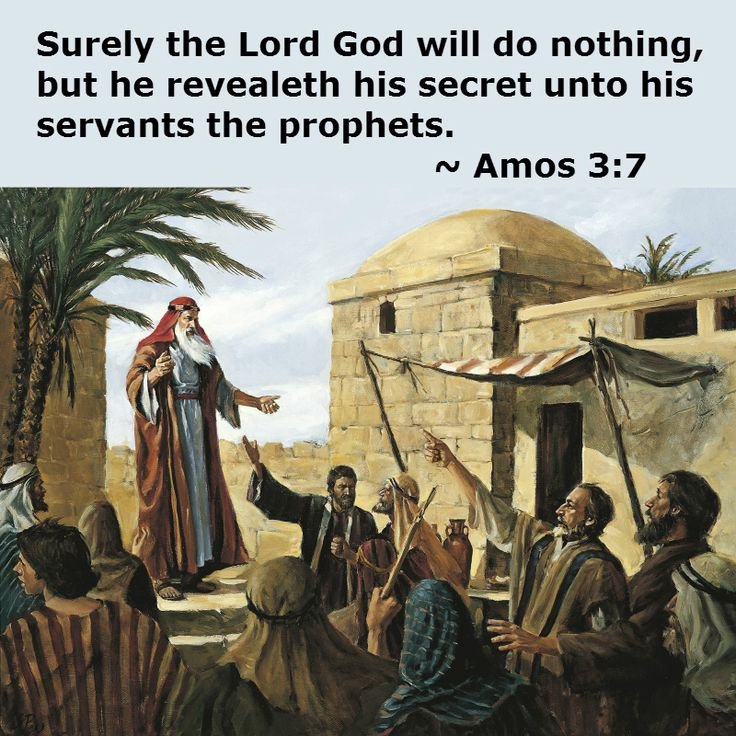
“Surely the Lord God will do nothing, but he revealeth his secret unto his servants the prophets.” (Amos 3:7)
________________________________________
God has always used prophets as instruments through which He communicates His warnings, instructions, corrections, and encouragements. The purpose of the true prophet is not to entertain people, build a personal following, or gain popularity. Rather, the prophet serves as God's messenger, faithfully delivering what the Lord desires His people to hear.
Throughout Scripture, prophetic ministry was often directed toward exposing sin and calling people back to covenant faithfulness. The prophet's responsibility was not to modify the message according to public opinion but to proclaim God's truth exactly as it was given.
Jeremiah was commissioned to speak difficult truths to a rebellious nation. Ezekiel was sent to a stubborn people who would often refuse to listen. John the Baptist confronted religious hypocrisy and called people to repentance. In each case, the prophet's success was measured by obedience to God, not by public acceptance.
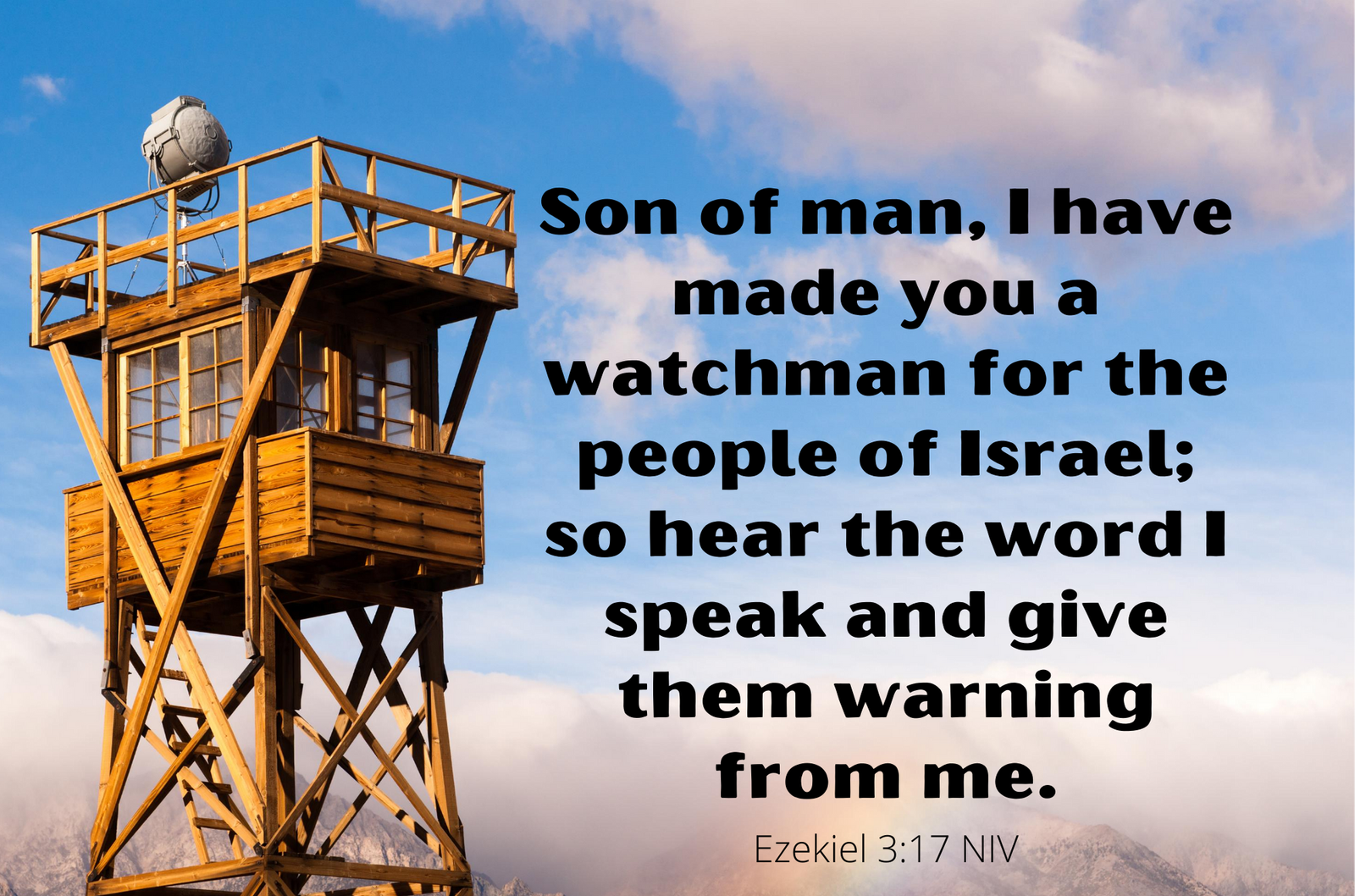
God's true prophets remain vital because they serve as spiritual watchmen who warn people of danger and point them toward restoration.
“Son of man, I have made thee a watchman unto the house of Israel.” (Ezekiel 3:17)
The true prophet speaks because God commands it, not because people desire it.
________________________________________
Why People Resist the Truth
“For the time will come when they will not endure sound doctrine.” (2 Timothy 4:3)
________________________________________
One of the recurring themes throughout biblical history is humanity's tendency to resist uncomfortable truth. People often prefer messages that affirm them rather than messages that challenge them.
Truth has a unique ability to expose hidden motives, sinful behaviors, prideful attitudes, and spiritual compromises. Because of this, many people become defensive when confronted with God's standards.
The fallen human nature seeks self-justification. Rather than acknowledging wrongdoing, many individuals prefer explanations that excuse their behavior. They seek teachers and voices that reinforce their existing beliefs instead of challenging them to change.
Jesus Himself encountered this resistance. Though He performed miracles, healed the sick, and taught with divine authority, many rejected Him because His teachings exposed their hypocrisy and self-righteousness.
“And this is the condemnation, that light is come into the world, and men loved darkness rather than light.” (John 3:19)
The rejection of truth is ultimately a spiritual issue. People often reject truth because accepting it would require repentance, humility, and transformation.
________________________________________
The Difference Between True and False Prophets
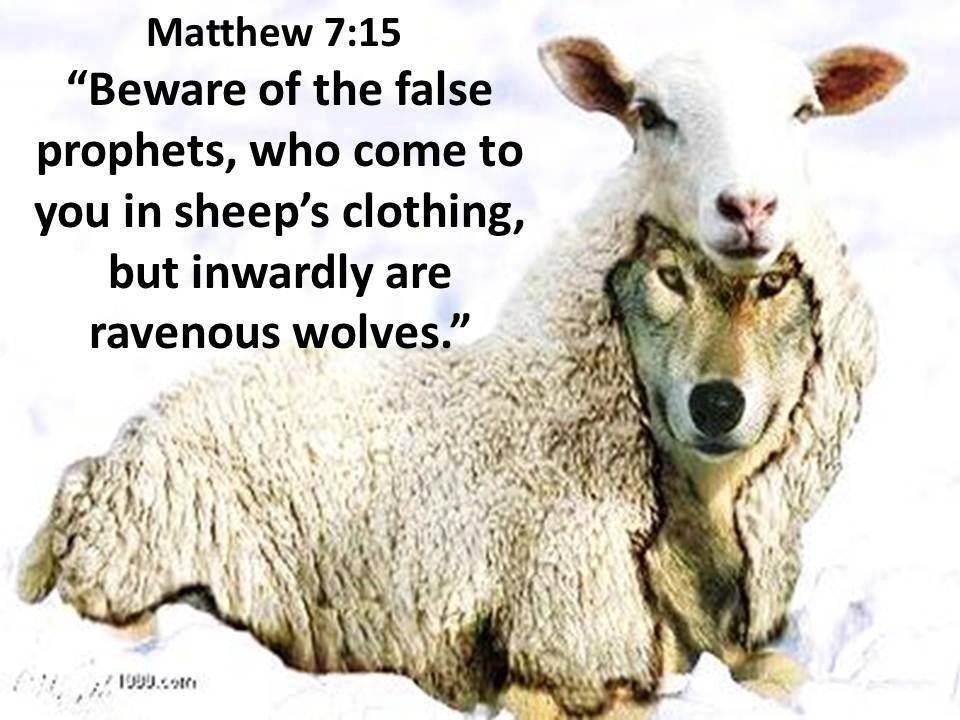
“Beware of false prophets, which come to you in sheep's clothing, but inwardly they are ravening wolves.” (Matthew 7:15)
________________________________________
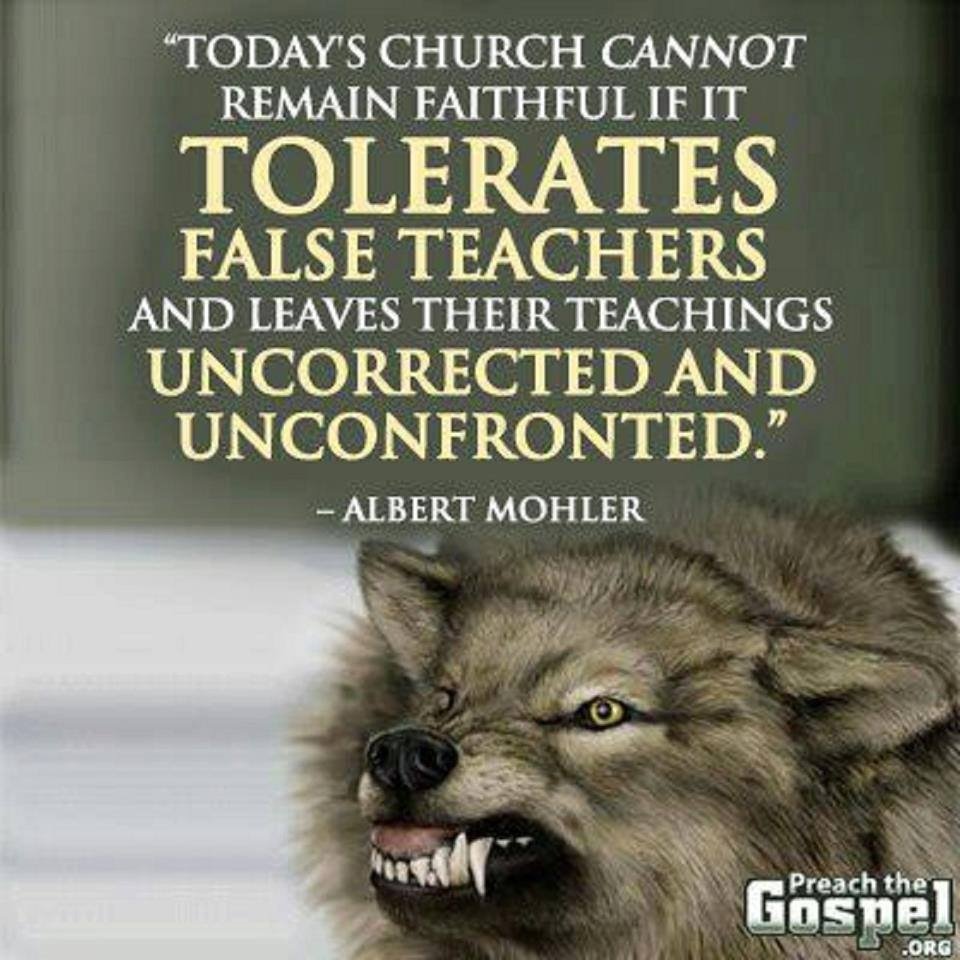
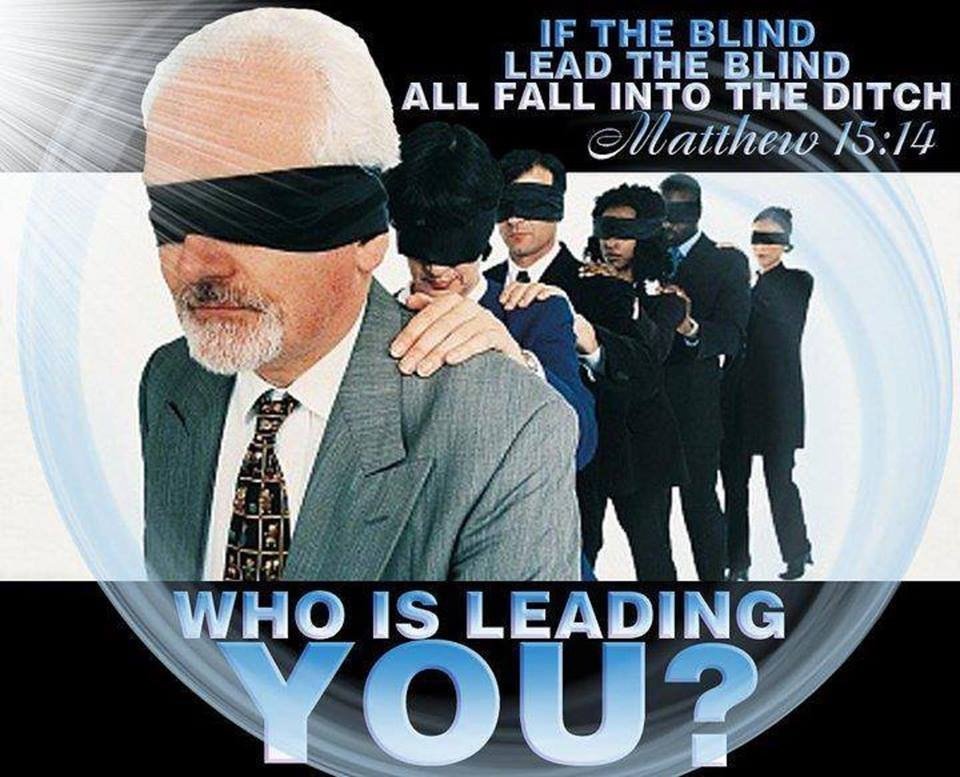
Scripture repeatedly warns believers about false prophets. Unlike true prophets who seek to please God, false prophets primarily seek to please people.
False prophets often deliver messages that appeal to human desires. They emphasize comfort without conviction, blessing without obedience, and success without repentance. Their words may sound appealing, but they lack the authority and purity of God's truth.
The prophet Jeremiah confronted this problem during his generation.
“They have healed also the hurt of the daughter of my people slightly, saying, Peace, peace; when there is no peace.” (Jeremiah 6:14)
False prophets frequently exaggerate promises, avoid difficult truths, and focus on gaining approval. Because they tell people what they want to hear, they often attract large followings.
True prophets, however, remain committed to declaring God's message even when it is unpopular. They understand that their accountability is to God rather than public opinion.
The true prophet fears God more than man.
________________________________________
The Snare of People-Pleasing
“The fear of man bringeth a snare: but whoso putteth his trust in the Lord shall be safe.” (Proverbs 29:25)
________________________________________
One of the greatest temptations facing anyone called by God is the temptation to seek human approval. The desire to be liked, admired, accepted, and celebrated can gradually compromise spiritual integrity.
Many individuals begin their ministry with sincere motives but become distracted by recognition, popularity, and influence. Over time, they adjust their message to avoid criticism and preserve their reputation.
The Apostle Paul clearly rejected this mindset.
“For if I yet pleased men, I should not be the servant of Christ.” (Galatians 1:10)
People-pleasing creates spiritual bondage because it places human opinion above divine approval. Those who become dependent upon public affirmation often lose the courage to speak difficult truths.
God's servants must remember that faithfulness is more important than popularity. The applause of people is temporary, but God's approval is eternal.
________________________________________
The Suffering of God's Prophets
“Yea, and all that will live godly in Christ Jesus shall suffer persecution.” (2 Timothy 3:12)
________________________________________
The history of prophetic ministry is filled with examples of suffering. Many prophets endured rejection, imprisonment, ridicule, false accusations, and physical persecution.
Jeremiah was thrown into a pit. Elijah was hunted by wicked rulers. Amos was rejected by religious authorities. John the Baptist was imprisoned and executed. Many Old Testament prophets were persecuted because they faithfully proclaimed God's truth.
Jesus acknowledged this reality when He said:
“O Jerusalem, Jerusalem, thou that killest the prophets, and stonest them which are sent unto thee.” (Matthew 23:37)
The suffering experienced by God's prophets does not indicate divine abandonment. Rather, it often confirms the seriousness of their assignment.
Truth challenges darkness, and darkness naturally resists exposure.
Yet despite opposition, God's true servants continue speaking because they understand that obedience is more valuable than personal comfort.
________________________________________
Standing Firm Amid False Accusations
“False witnesses did rise up; they laid to my charge things that I knew not.” (Psalm 35:11)
________________________________________
One of the painful realities faced by God's faithful servants is the experience of false accusations and character attacks.
Throughout history, those who proclaimed truth were frequently misrepresented by their opponents. Lies, rumors, distortions, and slander became tools used to discredit God's messengers.
Jesus Himself experienced false accusations. Religious leaders falsely accused Him of blasphemy and other offenses despite His perfect righteousness.
Likewise, the Apostle Paul repeatedly defended himself against false claims made by his opponents.
The purpose of such attacks is often to silence truth by destroying credibility. However, God remains the ultimate judge of every heart.
Believers must learn to trust God when misunderstood, knowing that human opinions cannot alter divine truth.
“Commit thy way unto the Lord; trust also in him; and he shall bring it to pass.” (Psalm 37:5)
________________________________________
The Courage Required to Remain Faithful
“Be not afraid of their faces: for I am with thee to deliver thee, saith the Lord.” (Jeremiah 1:8)
________________________________________
Courage is an essential quality for those called to proclaim God's truth. True prophetic ministry requires the willingness to stand alone when necessary and remain faithful despite opposition.
God repeatedly encouraged His prophets not to fear. He reminded them that His presence would sustain them through every trial.
Courage does not mean the absence of fear. Rather, it means choosing obedience despite fear.
The prophet Jeremiah initially felt inadequate for his assignment, yet God strengthened him. Moses doubted his abilities, yet God empowered him. Gideon questioned his qualifications, yet God used him mightily.
The same God who sustained His servants in biblical times continues to strengthen His people today.
Faithfulness requires perseverance, endurance, and unwavering trust in God's promises.
________________________________________
The Mercy Behind the Prophetic Warning
“As I live, saith the Lord God, I have no pleasure in the death of the wicked; but that the wicked turn from his way and live.” (Ezekiel 33:11)
________________________________________
Many people misunderstand the purpose of prophetic correction. God's warnings are not expressions of hatred but manifestations of mercy.
When God sends prophets to expose sin, His ultimate goal is restoration. He desires repentance, healing, reconciliation, and renewed fellowship with Him.
Every warning represents an opportunity for change. Every correction provides a pathway toward restoration.
The rejection of God's prophets often results in missed opportunities for repentance. However, those who humble themselves and receive God's correction experience transformation and spiritual growth.
God's heart remains redemptive. His desire is not destruction but restoration.
________________________________________
Summary
God's true prophets are called to proclaim truth regardless of public opinion. They serve as watchmen, warning people of sin and calling them back to righteousness. Because many prefer comforting lies over convicting truth, true prophets often face rejection, persecution, false accusations, and opposition.
False prophets seek popularity and human approval, while true prophets seek obedience to God. The temptation of people-pleasing has caused many to abandon their calling, but faithful servants remain steadfast because they value God's approval above all else.
Throughout history, God's prophets have endured hardship for the sake of truth, yet their messages have served as instruments of mercy, calling people to repentance and restoration.
________________________________________
Conclusion
The ministry of the true prophet remains one of the most challenging and necessary callings within the Kingdom of God. In every generation, God raises voices that speak truth into darkness, expose deception, and call people back to righteousness.
While such voices may not be celebrated by the world, they are precious in God's sight. Their faithfulness serves as a testimony to the power of truth and the importance of obedience.
Believers must learn to distinguish between flattering messages that appeal to the flesh and authentic messages that align with God's Word. They must also recognize that God's correction is an expression of His love and mercy.
The call of God remains clear: embrace truth, reject deception, and remain faithful regardless of the cost.
________________________________________
Call to Action
Examine your heart before the Lord. Ask yourself whether you have been embracing truth or resisting it. Determine to welcome God's correction rather than avoid it.
Pray for the courage to stand for righteousness even when it is unpopular. Support those who faithfully proclaim biblical truth and refuse to compromise God's standards for the sake of public approval.
Choose today to value God's opinion above the opinions of people.
________________________________________
Final Word of Encouragement
If God has called you to speak truth, do not be discouraged by opposition, criticism, misunderstanding, or rejection. The prophets who went before you endured similar trials, and the Lord remained faithful to them all.
Remember that your responsibility is not to make truth popular but to make truth known. God Himself is your defender, your provider, and your reward.
Continue walking boldly in your calling. Continue speaking what God gives you to speak. Continue standing for righteousness with humility and courage.
“Be thou faithful unto death, and I will give thee a crown of life.” (Revelation 2:10)
________________________________________
Salvation Prayer
Heavenly Father,
I come before You in the Name of Jesus Christ. I acknowledge that I am a sinner and that I need Your forgiveness. I believe that Jesus Christ is the Son of God, that He died on the cross for my sins, and that He rose again from the dead.
Today I repent of my sins and surrender my life completely to You. Lord Jesus, come into my heart and be my Savior and Lord. Wash me with Your precious blood and make me a new creation.
Fill me with Your Holy Spirit and help me to love truth, walk in righteousness, and obey Your voice. Give me courage to stand for what is right and wisdom to discern truth from deception.
Teach me to follow You faithfully and to live for Your glory all the days of my life. Thank You for saving me, forgiving me, and making me Your child.
I declare that Jesus Christ is Lord.
In Jesus' Name,
Amen.