
THE CALL TO HUMILITY, REPENTANCE, AND RIGHTEOUS LIVING BEFORE THE LIVING GOD By: Major Frank Materu
________________________________________
KEY SCRIPTURE
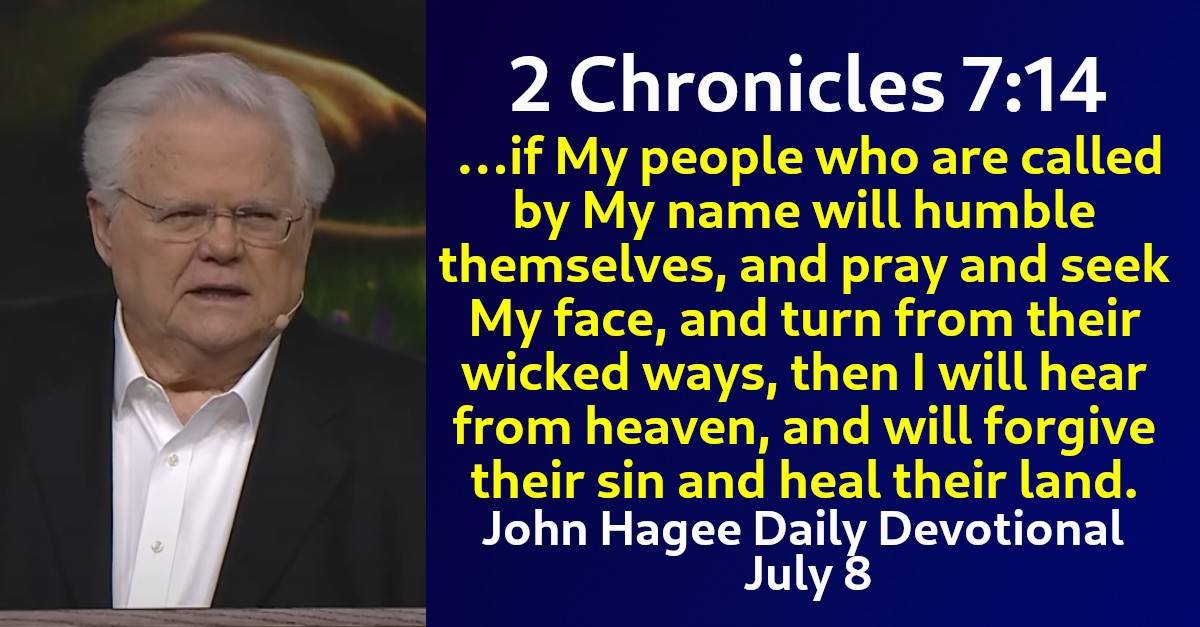
“If my people, which are called by my name, shall humble themselves, and pray, and seek my face, and turn from their wicked ways; then will I hear from heaven, and will forgive their sin, and will heal their land.”
— 2 Chronicles 7:14
________________________________________
INTRODUCTION
The message presented is a profound prophetic reflection on the moral and spiritual condition of humanity, emphasizing the eternal principles of divine justice, mercy, repentance, and righteousness. It presents a sobering tension between divine wrath against persistent corruption and divine mercy extended toward those who humble themselves in sincere repentance.
Across the biblical narrative, God consistently reveals Himself as both just and merciful. Justice demands accountability for sin, corruption, and moral decay, while mercy is extended to those who turn away from wickedness and seek restoration. The central theme of this teaching is not merely judgment, but the invitation to transformation through humility, prayer, and repentance.
This lesson seeks to unpack these spiritual truths in depth, drawing from Scripture to show that divine response toward nations and individuals is deeply connected to their moral choices and spiritual posture. It further highlights the importance of sustained righteousness, even in environments of corruption and pressure, using biblical examples such as Daniel as a model of unwavering faithfulness.
The message ultimately calls believers to self-examination, national repentance, and a lifestyle aligned with the will of God, emphasizing that mercy is not automatic but responsive to humility and genuine turning away from sin.
________________________________________
THE GOD OF JUSTICE AND MERCY
God is revealed throughout Scripture as one who governs creation with perfect justice while extending boundless mercy to the repentant. His justice does not ignore sin, and His mercy does not overlook sincerity.
“The Lord is righteous in all his ways, and holy in all his works.”
— Psalm 145:17
The prophetic message reflects this dual reality. When societies persist in corruption, oppression, and moral decay, divine judgment is portrayed as a natural consequence of persistent rebellion. However, when individuals or nations humble themselves, a shift occurs in the spiritual atmosphere, resulting in mercy, forgiveness, and restoration.
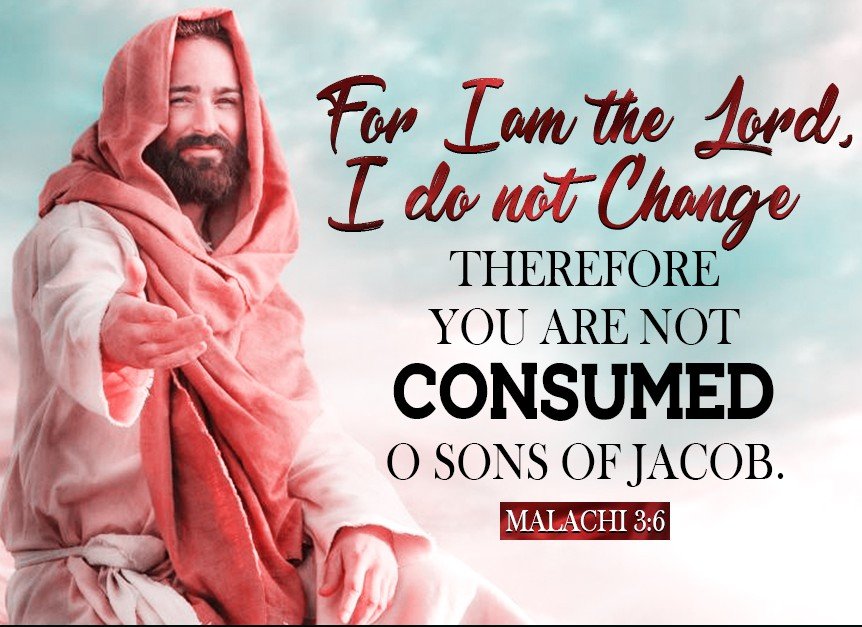
“For I am the Lord, I change not; therefore ye sons of Jacob are not consumed.”
— Malachi 3:6
This stability of God’s character ensures that mercy is always available, but it is accessed through repentance and humility rather than entitlement.
________________________________________
THE SPIRITUAL PRINCIPLE OF HUMILITY AND REPENTANCE
Humility is the gateway to divine intervention. Scripture repeatedly shows that God responds not to pride, but to brokenness of heart and sincerity of repentance.
“The sacrifices of God are a broken spirit: a broken and a contrite heart, O God, thou wilt not despise.”
— Psalm 51:17
Repentance is not a mere emotional response but a deliberate turning away from sin and a reorientation toward righteousness. It involves both acknowledgment of wrongdoing and transformation of behavior.
The prophetic message emphasizes that when people humble themselves sincerely, divine anger ceases, and mercy is released. This is not a change in God’s nature, but a change in human alignment with His will.
“Repent ye therefore, and be converted, that your sins may be blotted out.”
— Acts 3:19
________________________________________
NATIONAL MORALITY AND DIVINE RESPONSE
Throughout biblical history, nations have risen and fallen based on their collective moral direction. Societal corruption, violence, and idolatry often precede judgment, while repentance brings restoration.
The message highlights that nations steeped in moral decay eventually face consequences not as arbitrary punishment, but as the outcome of sustained rebellion against divine order.
“Righteousness exalteth a nation: but sin is a reproach to any people.”
— Proverbs 14:34
This principle applies both historically and contemporarily. The spiritual health of a society is directly linked to its moral choices. When truth is rejected and corruption becomes normalized, societal structures eventually weaken.
However, divine mercy remains available, and restoration is possible if collective repentance occurs.
________________________________________
THE WARNING AGAINST SPIRITUAL REBELLION
The prophetic message strongly warns against persistent rebellion and pride, which lead individuals away from divine truth. Spiritual rebellion is not merely disobedience but a hardened resistance to correction and truth.
“Pride goeth before destruction, and an haughty spirit before a fall.”
— Proverbs 16:18
Rebellion distorts perception, causing individuals to justify sin and resist accountability. The ultimate danger lies not only in wrongdoing but in refusal to repent.
“He, that being often reproved hardeneth his neck, shall suddenly be destroyed, and that without remedy.”
— Proverbs 29:1
The message therefore calls for urgency in repentance, warning that delay can lead to spiritual separation from God.
________________________________________
THE EXAMPLE OF DANIEL: FAITHFULNESS IN A CORRUPT ENVIRONMENT
Daniel stands as a powerful biblical example of integrity in a morally compromised environment. Despite being surrounded by pagan culture and political pressure, he maintained unwavering devotion to God.
“But Daniel purposed in his heart that he would not defile himself.”
— Daniel 1:8
His consistency in prayer, wisdom, and integrity demonstrates that righteousness is possible even in hostile environments. Daniel’s life shows that divine favor rests upon those who remain faithful regardless of external pressure.
“He changeth the times and the seasons: he removeth kings, and setteth up kings: he giveth wisdom unto the wise.”
— Daniel 2:21
Daniel’s example reinforces the message that personal holiness and steadfast faith bring divine protection and elevation.
________________________________________
DIVINE MERCY AND THE CALL TO RIGHTEOUS LIVING
God’s mercy is consistently extended to those who walk in obedience and sincerity. The prophetic message emphasizes that blessings follow righteousness, while judgment follows persistent sin.
“The Lord is merciful and gracious, slow to anger, and plenteous in mercy.”
— Psalm 103:8
However, mercy does not negate accountability. Instead, it provides an opportunity for transformation. Those who choose righteousness experience divine covering, guidance, and restoration.
“Blessed are they which do hunger and thirst after righteousness: for they shall be filled.”
— Matthew 5:6
________________________________________
THE ROLE OF REPENTANCE IN NATIONAL HEALING
A key theme in this teaching is that healing of nations is directly connected to repentance. Societal transformation begins with spiritual transformation.
“If my people… shall humble themselves, and pray… then will I hear from heaven, and will forgive their sin, and will heal their land.”
— 2 Chronicles 7:14
This scripture establishes a divine principle: healing is conditional upon humility, prayer, and repentance. Without these, restoration remains incomplete.
________________________________________
SUMMARY
This lesson has explored the deep spiritual principles of divine justice, mercy, repentance, and righteousness. It emphasizes that God responds to human posture—humility attracts mercy, while pride leads to judgment. Nations and individuals alike are called to examine their moral direction and return to righteousness.
The example of Daniel demonstrates that faithfulness is possible even in corrupt environments, and that God honors those who remain steadfast. Ultimately, the message calls for a return to humility, prayer, and sincere repentance as the foundation for personal and national healing.

________________________________________
CONCLUSION
The central truth of this teaching is that divine mercy is always available, but it is accessed through humility and repentance. God’s desire is not destruction but restoration. However, persistent rebellion leads to separation from divine covering.
Each individual and nation stands at a spiritual crossroads: the path of pride leading to destruction, or the path of humility leading to life and restoration. The choice determines the outcome.
________________________________________
CALL TO ACTION
There is a clear invitation to self-examination and transformation. Every believer is called to:
• Examine their heart before God
• Turn away from sin and compromise
• Commit to consistent prayer and righteousness
• Stand firm in faith even under pressure
• Seek reconciliation with God and alignment with His will
This is not merely a message of warning but a call to active spiritual renewal.
________________________________________
FINAL WORD OF ENCOURAGEMENT
Even in times of moral decline, God’s mercy remains greater than human failure. No one is beyond restoration if they choose humility and repentance. The door of grace is still open, and divine compassion is still available to all who seek it sincerely.
Stand firm in righteousness, remain faithful in prayer, and trust in the enduring mercy of the Living God.
________________________________________
SALVATION PRAYER
Almighty God, I come before You with a humble heart. I acknowledge that I am a sinner in need of Your mercy and forgiveness. I repent of all my sins and turn away from every form of wickedness and rebellion.
I believe in my heart and confess with my mouth that Jesus Christ is Lord, that He died for my sins, and that He rose again for my justification. Wash me, cleanse me, and make me new.
I surrender my life to You completely. Lead me in Your ways, fill me with Your Holy Spirit, and teach me to walk in righteousness all the days of my life.
From this day forward, I declare that I belong to You. In Jesus’ name I pray, Amen.