
FAITH WITHOUT DEMAND FOR PROOF: WALKING IN THE KNOWLEDGE OF THE LIVING GOD By: Major Frank Materu
Key Scripture:
“Now faith is the substance of things hoped for, the evidence of things not seen.” — Hebrews 11:1
________________________________________
Introduction
In a generation marked by intellectual pride, skepticism, and a relentless demand for visible proof, the call of God to His people remains unchanged: to walk by faith and not by sight. The message we reflect upon in this lesson confronts a deeply rooted human tendency—the desire to validate God’s existence through physical evidence rather than spiritual revelation. Yet from the beginning of creation, God has revealed Himself not only through visible works but through the inner witness of faith placed within every human being.
Faith is not merely an abstract concept; it is the divine instrument through which humanity relates to its Creator. Without faith, it is impossible to please God, not because God is distant or unwilling, but because faith is the language of the spirit. The created cannot place demands upon the Creator as though He were subject to human limitations. Instead, humanity is invited into a posture of humility, trust, and surrender.
This lesson explores the nature of faith, the danger of unbelief, the consequences of rejecting truth, and the blessing of those who believe without requiring signs. It is a call to examine the heart, to align with divine truth, and to resist the influence of a world system that elevates doubt above trust. Ultimately, it is an invitation into a deeper relationship with God—one that is sustained not by evidence seen, but by conviction received through faith.
________________________________________
The Witness of Creation and the Knowledge of God
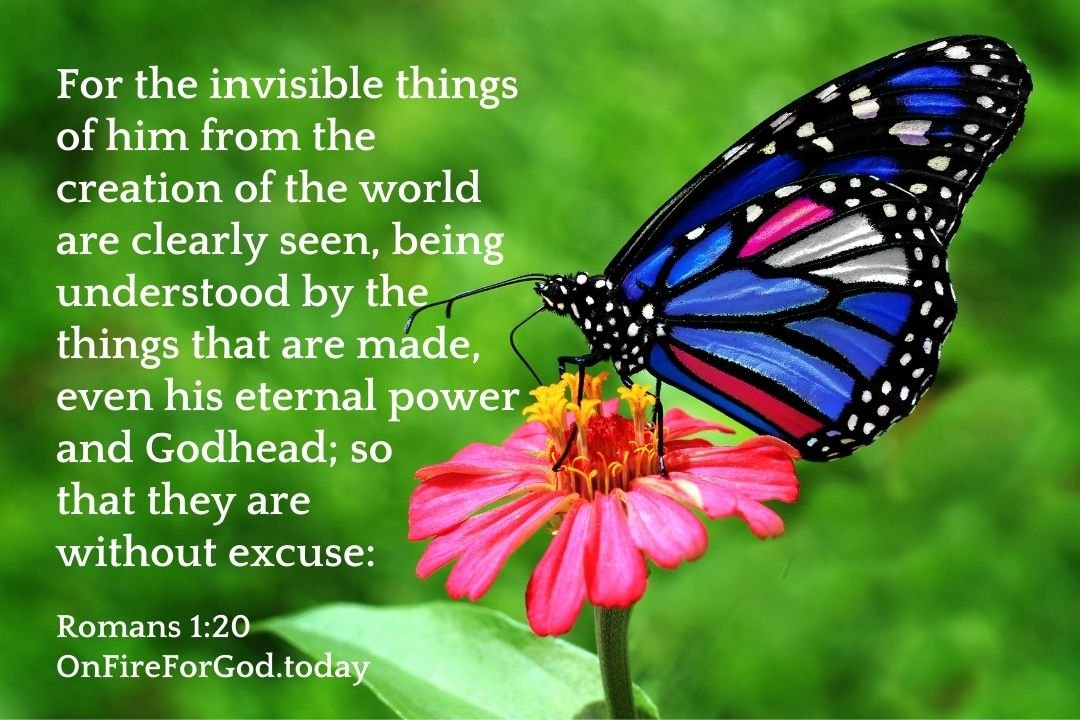
The existence of God is not hidden from humanity. Creation itself bears undeniable testimony to the presence of a divine Creator. The heavens declare His glory, the earth reveals His wisdom, and all living things testify of His power and design. This universal witness leaves mankind without excuse, as the order, complexity, and beauty of the universe reflect intentional design rather than randomness.
“For since the creation of the world His invisible attributes are clearly seen, being understood by the things that are made, even His eternal power and Godhead…” — Romans 1:20
Creation speaks continuously, yet the human heart must be willing to listen. Those who choose to suppress this truth often do so not because of lack of evidence, but because of resistance within the heart. Pride, self-reliance, and intellectual arrogance can blind individuals to spiritual truth, causing them to reinterpret creation in ways that exclude the Creator.
The knowledge of God is therefore not solely dependent on empirical proof but is revealed through both external creation and internal conviction. Faith allows the human spirit to recognize what the physical eyes cannot fully comprehend.
________________________________________
Faith as the Divine Bridge Between God and Man
Faith is the bridge that connects the finite to the infinite. It enables human beings to relate to God beyond the limitations of the natural senses. While the natural mind demands tangible proof, the spiritual man receives truth through revelation.
“But without faith it is impossible to please Him, for he who comes to God must believe that He is, and that He is a rewarder of those who diligently seek Him.” — Hebrews 11:6
Faith requires trust in the character of God. It is not blind belief, but confident reliance on the One who cannot lie. God has consistently proven Himself faithful throughout history, and His Word remains a reliable foundation for belief. Those who cultivate faith position themselves to receive not only understanding but also transformation.
Faith also produces action. True belief is never passive; it leads to obedience, trust, and a life aligned with divine purpose. Those who walk by faith demonstrate their confidence in God through their decisions, speech, and conduct.
________________________________________
The Danger of Unbelief and Hardened Hearts
Unbelief is not a neutral condition; it is a spiritual posture that distances individuals from God. When a person persistently demands proof as a condition for belief, it often reveals a deeper issue within the heart—resistance to surrender and trust.
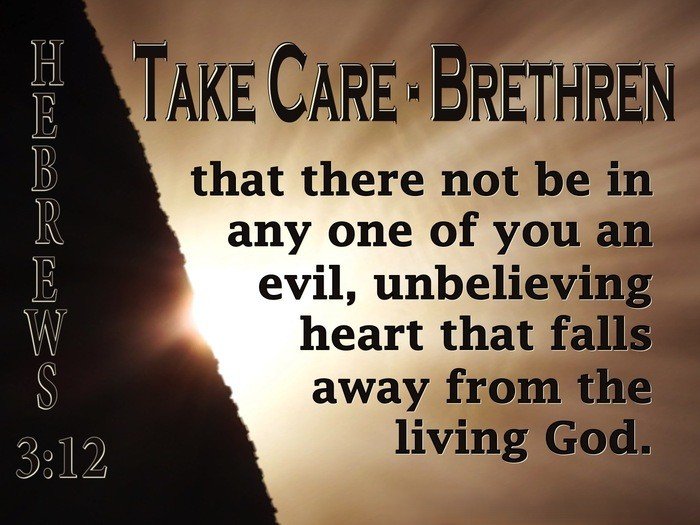
“Beware, brethren, lest there be in any of you an evil heart of unbelief in departing from the living God.” — Hebrews 3:12
Unbelief hardens the heart over time. It creates spiritual blindness, making it increasingly difficult to recognize truth even when it is presented clearly. A hardened heart becomes resistant to correction, insensitive to conviction, and distant from the voice of God.
Such a condition often leads individuals to embrace deception. When truth is rejected, the mind becomes vulnerable to falsehood. The absence of faith creates a void that is frequently filled with confusion, instability, and misplaced trust in human systems or philosophies that lack divine grounding.
________________________________________
The Blessing of Believing Without Seeing
There is a special blessing reserved for those who believe without requiring physical evidence. This kind of faith reflects humility, openness, and a willingness to trust God beyond human understanding.
“Jesus said to him, ‘Thomas, because you have seen Me, you have believed. Blessed are those who have not seen and yet have believed.’” — John 20:29
Believing without seeing does not mean ignorance; rather, it signifies spiritual maturity. It demonstrates confidence in God's Word and an understanding that His truth transcends human perception. Those who believe in this manner develop a deeper relationship with God, characterized by peace, assurance, and spiritual stability.
Such believers are often strengthened internally, becoming resilient in times of trial. Their faith is not dependent on circumstances but anchored in the unchanging nature of God.
________________________________________
The Influence of the World and the Deception of False Ways
The world system often promotes values that are contrary to God’s truth. It encourages self-exaltation, moral relativism, and reliance on human reasoning over divine instruction. As a result, many are drawn away from truth into patterns of deception.
“Do not love the world or the things in the world. If anyone loves the world, the love of the Father is not in him.” — 1 John 2:15
False teachings and misleading voices can appear appealing, especially when they align with personal desires or cultural trends. However, not every message that sounds wise is rooted in truth. Discernment is required to distinguish between what is of God and what is not.
Those who lack spiritual alertness are more susceptible to deception. Without grounding in truth, individuals may find themselves shifting between beliefs, unstable in their convictions, and vulnerable to influences that lead them away from righteousness.
________________________________________
The Mind of the Spirit Versus the Carnal Mind
There are two primary modes of thinking: the spiritual mind, guided by the Spirit of God, and the carnal mind, driven by fleshly desires and worldly reasoning. The mind governed by the Spirit leads to life, peace, and truth, while the carnal mind leads to confusion and separation from God.
“For to be carnally minded is death, but to be spiritually minded is life and peace.” — Romans 8:6
The mind of the Spirit aligns a believer with divine truth, enabling them to discern rightly and walk in obedience. It brings clarity in decision-making and strengthens one’s relationship with God. In contrast, the carnal mind relies on human logic alone, often rejecting spiritual truths that cannot be explained through natural reasoning.
Believers are therefore called to renew their minds continually, allowing the Word of God and the guidance of the Spirit to shape their thoughts and perspectives.
________________________________________
The Example of Christ and the Response of Humanity
The ministry of Jesus Christ revealed the diverse responses of humanity to truth. Some received Him with faith, repented, and experienced transformation. Others rejected Him, not due to lack of evidence, but due to hardened hearts.
“He came to His own, and His own did not receive Him.” — John 1:11
The rejection of Christ illustrates the danger of resisting truth. Those who opposed Him often did so because they were committed to their own way of life. Acceptance of Christ would have required surrender, repentance, and change, which many were unwilling to embrace.
Yet through His sacrifice, countless lives were redeemed. His death and resurrection became the foundation of salvation for all who believe. This demonstrates that God’s plan is not hindered by human rejection; rather, it is fulfilled through those who respond in faith.
________________________________________
Summary
Faith is the essential pathway through which humanity relates to God. It does not rely on physical evidence but on trust in the nature and promises of the Creator. Creation itself testifies of God’s existence, leaving mankind without excuse. However, pride and unbelief can blind individuals to this truth.
Unbelief hardens the heart and leads to spiritual instability, while faith brings peace, clarity, and alignment with divine purpose. Those who believe without seeing are blessed, as their trust reflects humility and spiritual maturity. In contrast, reliance on worldly wisdom and rejection of truth leads to deception and separation from God.
The believer is called to walk in the mind of the Spirit, discern truth from falsehood, and remain steadfast in faith despite external influences. Through Christ, the ultimate revelation of God’s love and truth, humanity is offered redemption and eternal life.
________________________________________
Conclusion
The call of God is clear: to believe without demanding proof, to trust without hesitation, and to walk in faith anchored in His Word. Faith is not a weakness but a divine strength that connects the believer to the eternal reality of God. In a world that often demands evidence, God calls His people to a higher level of trust—one that transcends the natural and embraces the spiritual.
Those who choose faith over doubt will experience the fullness of God’s presence, guidance, and purpose. Their lives will reflect stability, conviction, and spiritual authority. In contrast, those who persist in unbelief risk drifting away from truth and embracing paths that lead to destruction.
________________________________________
Call to Action
Examine your heart and evaluate the foundation of your beliefs. Choose today to strengthen your faith by immersing yourself in the Word of God, seeking His presence, and trusting His promises without requiring physical proof. Reject the influence of doubt and align yourself with divine truth. Walk daily in obedience, humility, and faith.
________________________________________
Final Word of Encouragement
God has already placed within you the measure of faith needed to believe. Nurture it, exercise it, and allow it to grow through fellowship with Him. Do not be discouraged by the demands of a skeptical world. Instead, stand firm in your conviction that God is real, faithful, and ever-present. Your faith is not in vain; it is the foundation of a victorious and eternal life.
________________________________________
Salvation Prayer
Heavenly Father, I come before You acknowledging that I am a sinner in need of Your grace. I believe in my heart that Jesus Christ is Your Son, that He died for my sins, and that He rose again on the third day. I confess with my mouth that Jesus Christ is Lord over my life.
Forgive me of all my sins and cleanse me from all unrighteousness. I receive Your salvation by faith, not by works, and I invite Your Holy Spirit to dwell within me, to guide me into all truth, and to transform my life according to Your will.
From this day forward, I choose to follow You, to trust You, and to walk in faith. Thank You for saving me and giving me eternal life. In Jesus’ name, Amen.