
CONTINUE TO TRUST: THE DIVINE STRATEGY FOR OVERCOMING FEAR AND WALKING IN SUPREME SECURITY By: Major Frank Materu
Key Scripture:
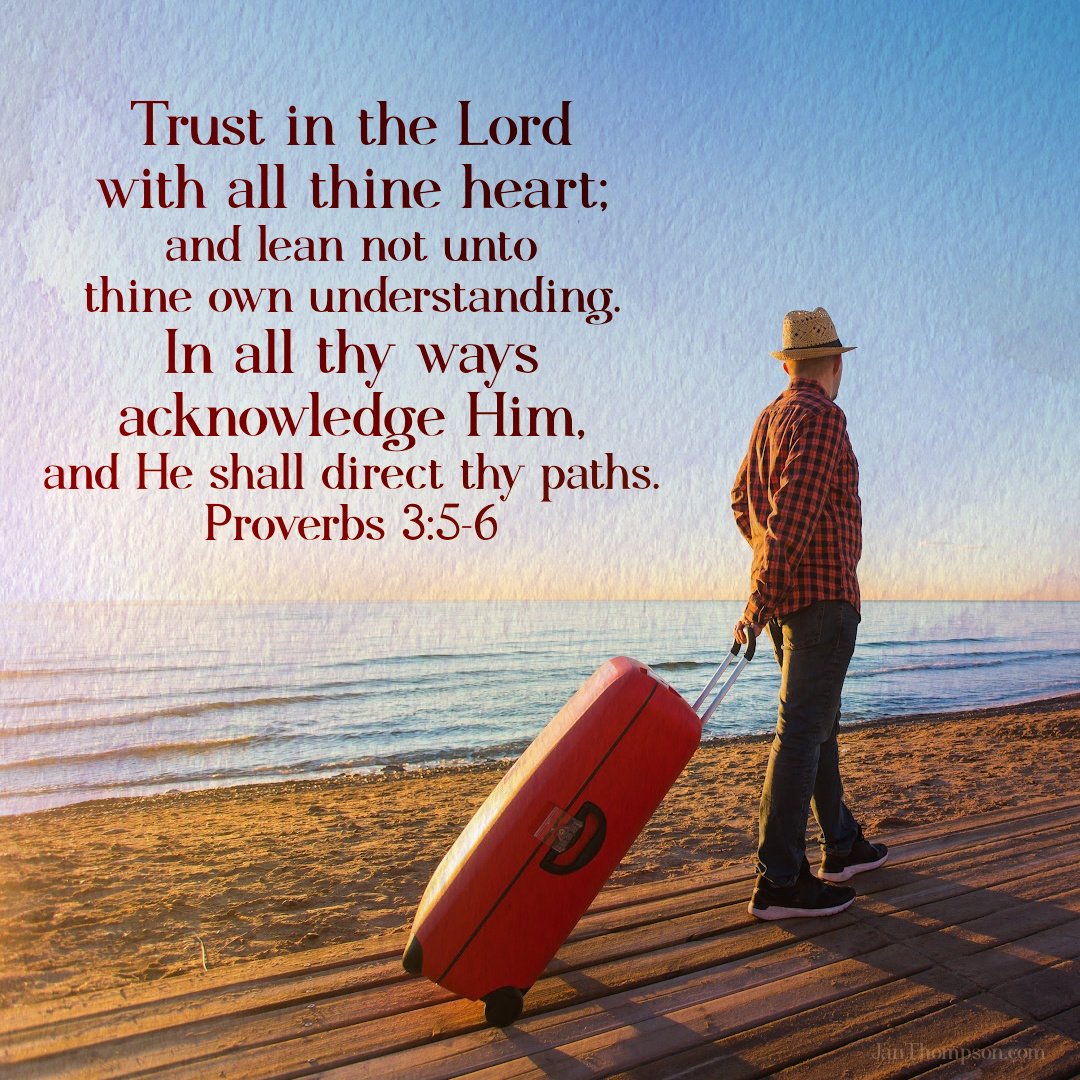
“Trust in the LORD with all thine heart; and lean not unto thine own understanding. In all thy ways acknowledge him, and he shall direct thy paths.” — Proverbs 3:5–6
________________________________________
Introduction
In every generation, there emerges a defining line between those who walk by faith and those who are ruled by fear. This distinction is not merely theological—it is deeply practical, affecting how individuals think, decide, act, and ultimately live. The message before us is not a casual encouragement but a divine directive: Continue to trust. This is not a suggestion for moments of ease, but a command forged in the reality of spiritual warfare, uncertainty, and the ever-present tension between divine truth and demonic deception.
Trust in God is not passive. It is an active, deliberate alignment of the heart, mind, and will with the authority and character of the Living God. It demands a conscious rejection of fear, doubt, and reliance on human systems that pretend to offer security but ultimately fail. The “arm of flesh” represents every form of human dependency that seeks to replace divine reliance—whether in people, institutions, or personal strength. The warning is clear: those who lean on such will find themselves unstable, vulnerable, and spiritually compromised.
At the same time, the reality of fear cannot be ignored. Fear is not neutral; it is a weapon. It stalks, whispers, manipulates, and weakens. It seeks access to the human mind and heart, turning faith into anxiety and confidence into hesitation. Behind fear lies a spiritual agenda—to disconnect believers from their source of strength and drive them into self-preservation and unbelief.
Yet, in contrast to this darkness stands the unshakable truth: God is the Refuge, the High Tower, the Source of Strength, Safety, and Sanity. Those who run to Him are not merely comforted—they are secured. This lesson, therefore, is a deep exploration of the divine strategy of trust, the nature of fear, the responsibility of believers, and the spiritual dynamics of protection, restoration, and victory.
________________________________________
Trusting God Versus Trusting the Arm of Flesh
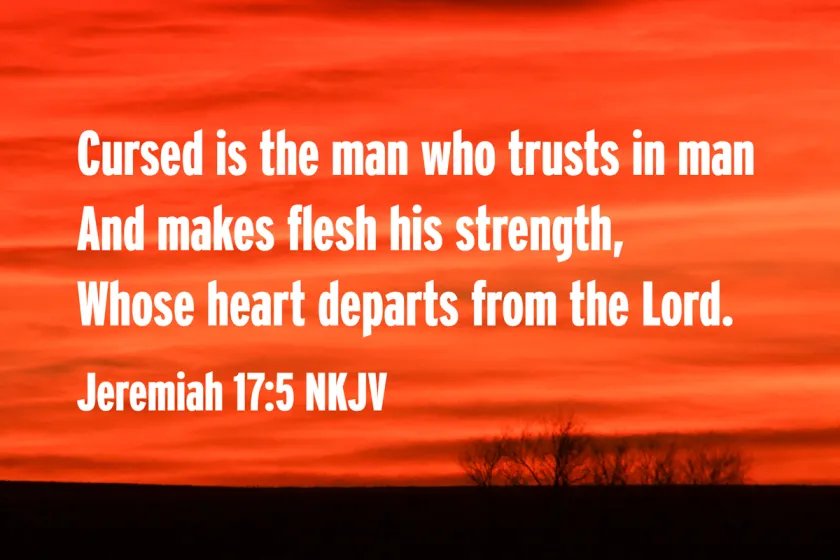
“Thus saith the LORD; Cursed be the man that trusteth in man, and maketh flesh his arm, and whose heart departeth from the LORD.” — Jeremiah 17:5
________________________________________
Trust is not optional in the life of a believer—it is foundational. However, misplaced trust is one of the most dangerous spiritual errors. The Living God explicitly rejects the idea that human systems, connections, or strength can serve as a substitute for Him. When individuals shift their reliance from God to man, they are not simply making a practical decision—they are engaging in spiritual rebellion.
The “arm of flesh” symbolizes human capability without divine backing. It includes intelligence, wealth, influence, networks, and even religious structures that operate devoid of true dependence on God. While these may appear effective in the short term, they lack the eternal stability and protection that only God provides.
Trusting God, on the other hand, is a declaration of alignment with divine authority. It acknowledges that God is not only قادر (able) but also willing to sustain, protect, and guide His people. Those who truly trust Him do not oscillate between faith and fear—they remain anchored even when circumstances are unstable.
The danger today is subtle but widespread. Many profess trust in God while practically depending on human solutions. This divided loyalty produces spiritual weakness. True trust requires exclusivity. It demands that God be recognized not as an option among many, but as the only reliable source.
________________________________________
The Warfare Between Faith and Fear
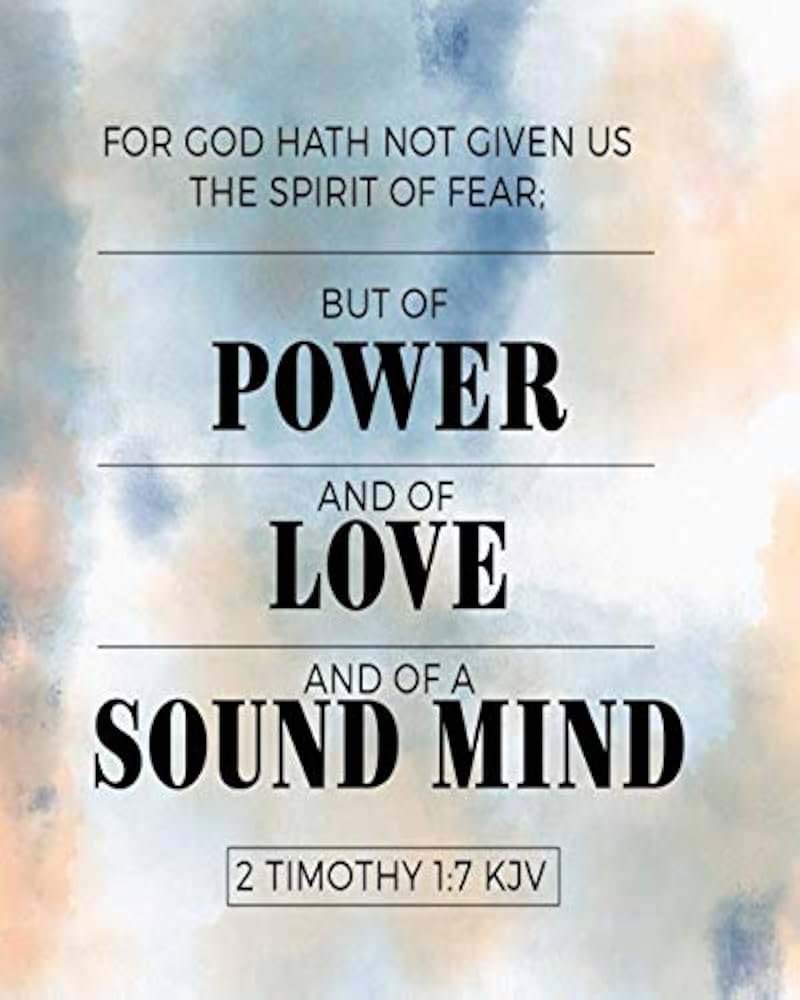
“For God hath not given us the spirit of fear; but of power, and of love, and of a sound mind.” — 2 Timothy 1:7
________________________________________
Fear is not merely an emotional response—it is a spiritual force. It operates through suggestion, imagination, and repetition, seeking to establish strongholds within the human mind. When entertained, it distorts perception, weakens resolve, and ultimately paralyzes action.
The message reveals a critical truth: fear is actively “stalking” those who are susceptible. This indicates intentionality. Fear is not random; it is strategic. It targets individuals who are not grounded in trust, who are open to suggestion, and who have not disciplined their thoughts.
Faith, in contrast, is not the absence of challenges but the refusal to be governed by them. It is the ability to see beyond immediate circumstances and anchor oneself in the promises and character of God. Faith strengthens as it is exercised, while fear grows when it is entertained.
Believers are called to make a decisive choice. They cannot coexist equally in faith and fear. One must dominate. The instruction is clear: feed faith and starve fear. This requires intentional engagement with truth, consistent prayer, and disciplined thinking.
When fear is allowed to grow, it produces torment. It leads to anxiety, hesitation, and withdrawal from God’s will. But when faith is cultivated, it produces confidence, clarity, and boldness. The battlefield, therefore, is the mind—and victory is determined by what is allowed to take root.
________________________________________
The Responsibility of the Believer in Strengthening Faith
“So then faith cometh by hearing, and hearing by the word of God.” — Romans 10:17
________________________________________
Faith is given by God, but its growth is the responsibility of the believer. This is where many fail. They expect faith to function automatically without intentional development. However, faith must be nurtured, protected, and strengthened through consistent cooperation with God.
To feed faith means to immerse oneself in truth—to meditate on God’s Word, to remember His works, and to align one’s thinking with His promises. It also involves obedience. Faith is not proven by words but by actions that reflect trust in God’s directives.
At the same time, doubts and fears must be actively resisted. They do not disappear on their own. They must be confronted, rejected, and replaced with truth. This is a continuous process, requiring vigilance and discipline.
Those who neglect this responsibility become vulnerable. They may start strong but gradually weaken as doubt creeps in. On the other hand, those who actively cultivate faith become resilient. They develop an inner stability that is not easily shaken.
The divine expectation is not perfection but participation. God works with those who are willing to engage, to grow, and to align themselves with His purposes. Faith is not static—it is dynamic, and it must be treated as such.
________________________________________
Divine Protection and the Reality of Spiritual Covering
“He that dwelleth in the secret place of the most High shall abide under the shadow of the Almighty.” — Psalm 91:1
________________________________________
One of the most powerful assurances given is that God can hide His people under the shadow of His wings. This is not poetic exaggeration—it is a spiritual reality. Divine protection is not always visible, but it is always effective for those who remain in alignment with God.
This protection does not mean the absence of enemies. In fact, the message acknowledges that enemies are actively seeking to destroy. However, their ability to succeed is limited by God’s covering.
The concept of divine hiding is particularly profound. It suggests that God can make His people inaccessible to their enemies, preserving them in ways that defy natural explanation. This is not achieved through human strategy but through trust and obedience.
However, protection is conditional. It is linked to dwelling in God’s presence. Those who drift away, who compromise, or who rely on other sources expose themselves unnecessarily. The protection of God is not a blanket covering for all—it is a covenant benefit for those who remain in Him.
________________________________________
The Lesson of the Walls: Restoration, Protection, and Testing
“Except the LORD build the house, they labour in vain that build it: except the LORD keep the city, the watchman waketh but in vain.” — Psalm 127:1
________________________________________
The historical reference to the walls of Jerusalem provides a powerful spiritual analogy. The walls represented protection, identity, and divine covering. When the people sinned, the walls were broken, symbolizing vulnerability and loss of divine protection.
The rebuilding of the walls was not merely a construction project—it was a spiritual restoration. It signified a return to God and the reestablishment of His covering. However, this process was met with opposition. Enemies mocked, ridiculed, and attempted to stop the work.
This pattern continues today. Whenever believers seek to restore righteousness, to rebuild spiritual disciplines, or to realign with God, opposition arises. This opposition is not coincidental—it is strategic. The enemy understands that restored alignment with God leads to restored protection.
Interestingly, God does not always immediately destroy opposing forces. Instead, He allows a period of testing. This reveals the true condition of His people. Will they remain faithful, or will they revert to old patterns?
This testing is not punitive—it is revelatory. It exposes whether the lessons of past failures have been learned. Those who endure and remain faithful emerge stronger, more aligned, and more secure.
________________________________________
Standing Firm Against Demonic Influence
“Submit yourselves therefore to God. Resist the devil, and he will flee from you.” — James 4:7
________________________________________
The call to stand against fear, doubt, and unbelief is not symbolic—it is a direct command. These forces are not abstract; they are influenced by demonic activity. To yield to them is to open the door to spiritual oppression.
Resistance requires clarity. Believers must recognize the source of these influences and refuse to entertain them. This involves both submission to God and active opposition to anything that contradicts His truth.
Standing firm is not a one-time act—it is a lifestyle. It requires consistency, awareness, and determination. Those who waver become vulnerable, while those who stand firm develop spiritual authority.
The assurance is clear: demonic forces cannot penetrate God’s protection. However, they can influence those who step outside of it. The responsibility, therefore, lies with the believer to remain aligned and to actively resist.
________________________________________
Summary
This lesson reveals a comprehensive spiritual framework. Trust in God is not optional—it is essential. Fear is not harmless—it is destructive. Faith must be cultivated, and doubt must be rejected. Divine protection is real but conditional upon alignment. Restoration invites opposition, and testing reveals true commitment.
________________________________________
Conclusion
The call to “Continue to Trust” is both simple and profound. It is a call to unwavering dependence on God in a world filled with uncertainty and deception. It is a call to reject fear, to embrace faith, and to walk in the authority and protection that come from alignment with the Living God.
________________________________________
Call to Action
Examine your life honestly. Identify areas where you have been relying on the arm of flesh. Confront fears that have taken root. Make a deliberate decision to trust God fully—not partially, not occasionally, but consistently. Feed your faith daily and reject every influence that seeks to weaken it.
________________________________________
Final Word of Encouragement
You are not alone. The Living God is actively involved in the lives of those who trust Him. His protection is real, His presence is constant, and His power is unmatched. As you remain in Him, you will find strength, stability, and victory, regardless of the circumstances around you.
________________________________________
Salvation Prayer
Lord God Almighty,
I come before You today acknowledging that I need You. I confess that I have often relied on my own strength and have allowed fear and doubt to rule my heart. Forgive me for my sins and for every moment I have turned away from You.
I believe that Jesus Christ is Your Son, that He died for my sins, and that He rose again for my salvation. Today, I surrender my life to You completely. I choose to trust You with all my heart.
Fill me with Your Spirit, strengthen my faith, and help me to walk in obedience to Your will. Deliver me from fear, doubt, and unbelief, and establish me in Your truth.
From this day forward, I declare that You are my Refuge, my Strength, and my Salvation. I will trust You and follow You all the days of my life.
In Jesus’ Name, Amen.