
LET ME, THE LIVING GOD, BE YOUR HELP By: Major Frank Materu
Key Scripture:
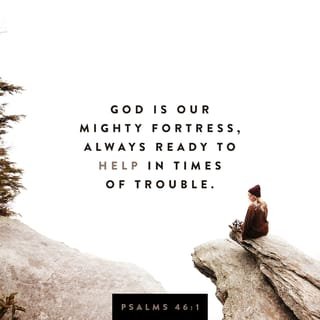
“God is our refuge and strength, a very present help in trouble.” — Psalms 46:1
________________________________________
Introduction: The Divine Invitation to Dependence
In every generation, humanity has wrestled with the question of dependence. When pressures mount, when systems fail, when relationships fracture, and when uncertainty clouds the future, where does one turn for help? The prophetic message before us is a divine summons from the Living God Himself: “Let Me be your Help.” This is not merely poetic language; it is a covenantal declaration rooted in the eternal character of God.
From the beginning of Scripture to its final revelation, the Lord reveals Himself not as a distant observer but as an ever-present Helper. In Psalm 121:1–2, the psalmist declares, “I will lift up mine eyes unto the hills, from whence cometh my help. My help cometh from the LORD, which made heaven and earth.” The help of God is not theoretical; it is personal, active, and faithful.
The world presents itself as strong, stable, and secure. Governments promise protection. Economies promise prosperity. Institutions promise sustainability. Yet history repeatedly demonstrates that in “one stroke of a pen,” what seemed secure can collapse. Wealth disappears. Policies change. Nations shift. Those who anchored their confidence in earthly systems find themselves shaken.
This lesson explores the theological depth of divine dependence, the dangers of misplaced trust, the power of the indwelling Holy Spirit, the victory of Jesus Christ over all opposing forces, and the promise of eternal transformation. It is an invitation to return wholeheartedly to the Living God as our sole, sufficient, and unfailing Help.
________________________________________
The Insufficiency of the Arm of Flesh
The Lord declares that help does not come through the arm of flesh. Scripture consistently affirms this truth. In Jeremiah 17:5, we read, “Cursed be the man that trusteth in man, and maketh flesh his arm, and whose heart departeth from the LORD.” The arm of flesh symbolizes human strength, political authority, financial systems, and even personal abilities.
Human systems are limited by time, corruption, and instability. Governments can legislate change overnight. Economic policies can reduce thriving communities to homelessness within months. Leaders rise and fall. Institutions crumble. What once seemed immovable proves fragile.
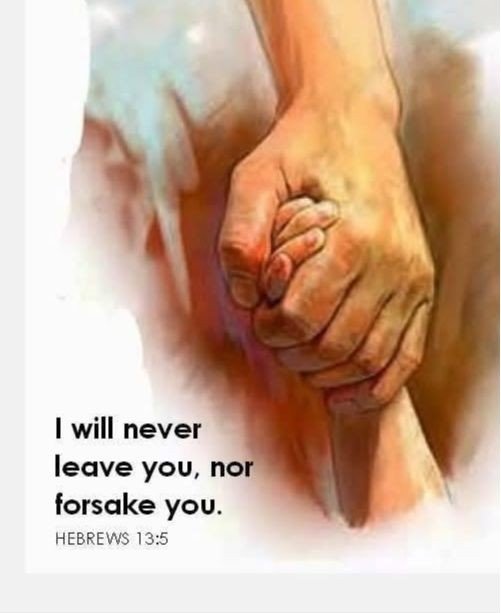
The offense God speaks of is not merely emotional; it is spiritual. To turn aside from Him in the hour of need is to deny His sufficiency. It is to imply that earthly powers are more reliable than the Creator of heaven and earth. Yet Scripture declares in Hebrews 13:5, “I will never leave thee, nor forsake thee.” This promise stands in direct contrast to the instability of worldly help.
True dependence on God requires a conscious renunciation of false security. It calls believers to anchor their trust not in policies, provisions, or personalities, but in the immutable character of God.
________________________________________
Remembering Deliverance: From Despair to Mercy
The Lord calls His people to remembrance. Before divine intervention, many lived in confusion, shame, despair, and sin. The enticements of darkness promised pleasure but delivered bondage. The devil’s devices led deeper into guilt and spiritual death.
In Ephesians 2:1–5, it is written, “And you hath he quickened, who were dead in trespasses and sins… But God, who is rich in mercy… hath quickened us together with Christ.” This passage captures the redemptive heart of God. He saw humanity imprisoned in shame and pain and moved toward us in mercy.
True repentance unto Jesus Christ becomes the turning point. Through repentance, individuals experience not only forgiveness but restoration. The Lord does not merely pardon; He transforms. He leads step by step out of the prison house into goodness and mercy.
The believer must remember these deliverances. Reflection strengthens faith. When one recalls the depths from which God rescued them, it becomes irrational to distrust Him in present trials. If He delivered from eternal condemnation, will He not sustain through temporary pressures?
________________________________________
The Character of God: Not Cruel but Compassionate
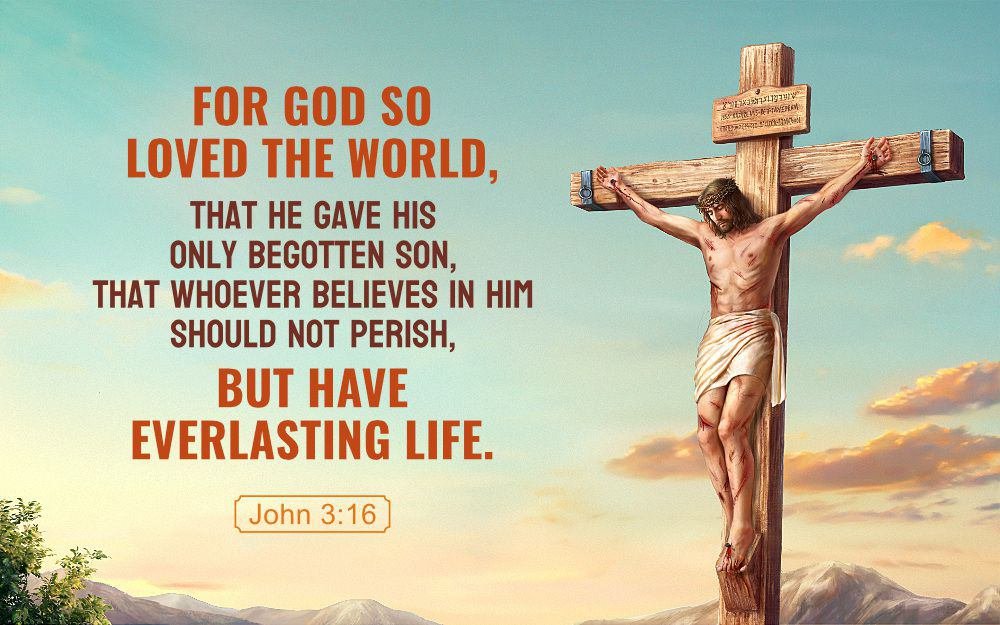
The message firmly refutes the misconception of God as harsh or indifferent. The ultimate demonstration of divine compassion is found in the sending of His Son. In John 3:16, Scripture declares, “For God so loved the world, that he gave his only begotten Son…” Love motivated redemption.
The earth was sin-cursed, yet God did not abandon humanity. He entered history through His Son. The sacrificial life and death of Jesus Christ reveal that God’s help is costly, intentional, and redemptive.
If God were cruel, He would not have offered forgiveness. If He were heartless, He would not have endured the suffering of the cross through His Son. The cross becomes the ultimate proof that God desires salvation, not destruction.
Therefore, when trials come, believers must interpret them through the lens of Calvary. The God who sent Jesus cannot be indifferent to our suffering. His help flows from a heart of covenant love.
________________________________________
The Example of Jesus Under Opposition
Jesus did not succumb to self-pity despite relentless criticism, rejection, and plots against His life. Religious leaders despised Him because He proclaimed truth. Their hatred stemmed from spiritual blindness and demonic influence.
In John 15:18–20, Jesus warns, “If the world hate you, ye know that it hated me before it hated you.” The hostility believers experience is not personal failure; it is often a reflection of allegiance to Christ.
The jealous leaders believed that by killing Jesus they could silence truth. Yet truth cannot be buried. Through His obedience, Jesus conquered sin, death, and the devil. As declared in Colossians 2:15, “Having spoiled principalities and powers, he made a shew of them openly, triumphing over them in it.”
Believers must understand that identification with Christ invites opposition. The world cannot provide genuine help because it operates under spiritual blindness. Only God can sustain those who walk in truth.
________________________________________
The Indwelling Holy Spirit: Evidence of Divine Presence
God’s help is not abstract. It is mediated through the indwelling Holy Spirit. In John 14:16–17, Jesus promises, “And I will pray the Father, and he shall give you another Comforter… even the Spirit of truth.”
The Holy Spirit guides into light, not despair. When demonic forces attempt to lure believers into hopelessness or even thoughts of self-destruction, the Spirit provides conviction, strength, and clarity.
The power of the Blood and the Name of Jesus Christ carries authority over demonic oppression. As stated in Philippians 2:9–10, “At the name of Jesus every knee should bow.” Demons recognize the authority of Christ. Believers must exercise that authority through faith and proclamation.
God’s help includes stability of mind, peace of heart, and clarity of direction. The Spirit does not lead into confusion but into truth and life.
________________________________________
Rejecting False Crutches and Embracing True Dependence
The Lord warns against making crutches out of defeated powers: the world, the old sin nature, and demonic influences. These are useless supports. They collapse under pressure.
Instead, believers are called to cleave to God. In James 4:8, we read, “Draw nigh to God, and he will draw nigh to you.” Intimacy with God deepens appreciation for the Father, the Son, the Spirit, and the community of true believers.
God withholds no good thing. Psalm 84:11 declares, “No good thing will he withhold from them that walk uprightly.” Provision may not always align with worldly expectations, but it aligns perfectly with divine wisdom.
In a world of insanity and profanity, God remains strength and safety. He provides the strait gate and narrow way described by Jesus in Matthew 7:13–14, the path that leads to life everlasting.
________________________________________
Eternal Transformation: The Hope Beyond the Flesh
The present body is temporary. The struggles of flesh, weakness, and mortality will pass away. Scripture promises transformation. In 1 Corinthians 15:52–53, we are told, “For this corruptible must put on incorruption, and this mortal must put on immortality.”
The promise of a heavenly body reframes suffering. Trials are temporary; glory is eternal. The narrow way leads to everlasting life, where sorrow and pain will be no more.
This hope anchors believers during heartbreaks and tragedies. Though the world is filled with sorrow, the Living God preserves those who know Him as Maker and Keeper.
________________________________________
Summary
The Living God calls His people to exclusive dependence upon Him. Earthly systems are unstable. Human strength is insufficient. The arm of flesh cannot save. Yet God remains faithful, compassionate, and powerful.
He has proven His love through the sending of Jesus Christ. He has demonstrated His authority through Christ’s victory over sin and Satan. He indwells believers through the Holy Spirit. He provides stability, sanity, and peace. He promises eternal transformation beyond present suffering.
To turn from Him in times of need is to embrace instability. To trust Him is to stand upon unshakable ground.
________________________________________
Conclusion
“Let Me be your Help” is not a suggestion; it is a covenant invitation. God does not demand dependence to control, but to protect and sustain. He alone sees the end from the beginning. He alone can guide through darkness into light.
The believer must choose daily where to anchor trust. The world will continue to fluctuate. Opposition will arise. Tragedies will occur. Yet the Living God remains unchanged.
He is the I AM.
________________________________________
Call to Action
Examine your heart. Where have you placed your trust? In policies? In savings? In relationships? In your own strength?
Return your dependence fully to the Living God. Reject false supports. Embrace prayer, Scripture, repentance, and obedience. When pressures mount, declare boldly that the Lord is your Help.
Stand firm in your identity with Jesus Christ. Resist demonic discouragement. Walk in the Light, the Life, and the Love found only in Him.
________________________________________
Final Word of Encouragement
Be glad and not sad. You are not abandoned. You are not forgotten. The Living God honors those who honor Him. His tender mercies surround you daily. Even in heartbreak and sorrow, He keeps you.
Look not to the ways of the heathen, for they are filled with darkness. Look to His Way, for it shines with eternal Light.
He is your refuge. He is your strength. He is your ever-present Help in time of need.
________________________________________
Salvation Prayer
Heavenly Father,
I come before You acknowledging that I have sinned and trusted in many things other than You. I repent of my sins and turn to You with all my heart. I believe that Jesus Christ is Your Son, that He died for my sins, and that He rose again in victory.
Lord Jesus, forgive me, cleanse me by Your precious Blood, and come into my life as my Savior and Lord. Fill me with Your Holy Spirit. Teach me to depend upon You alone as my Help, my Strength, and my Salvation.
I renounce the works of darkness and place my trust fully in You. Thank You for loving me, forgiving me, and giving me eternal life.
In Jesus’ mighty Name,
Amen.