

CAMPS OF SUFFERING: THE CALL TO FEED GOD’S FLOCK WITH THE BREAD OF LIFE By: Major Frank Materu
Key Scriptures
“Feed the flock of God which is among you, taking the oversight thereof, not by constraint, but willingly; not for filthy lucre, but of a ready mind.” — 1 Peter 5:2 (KJV)
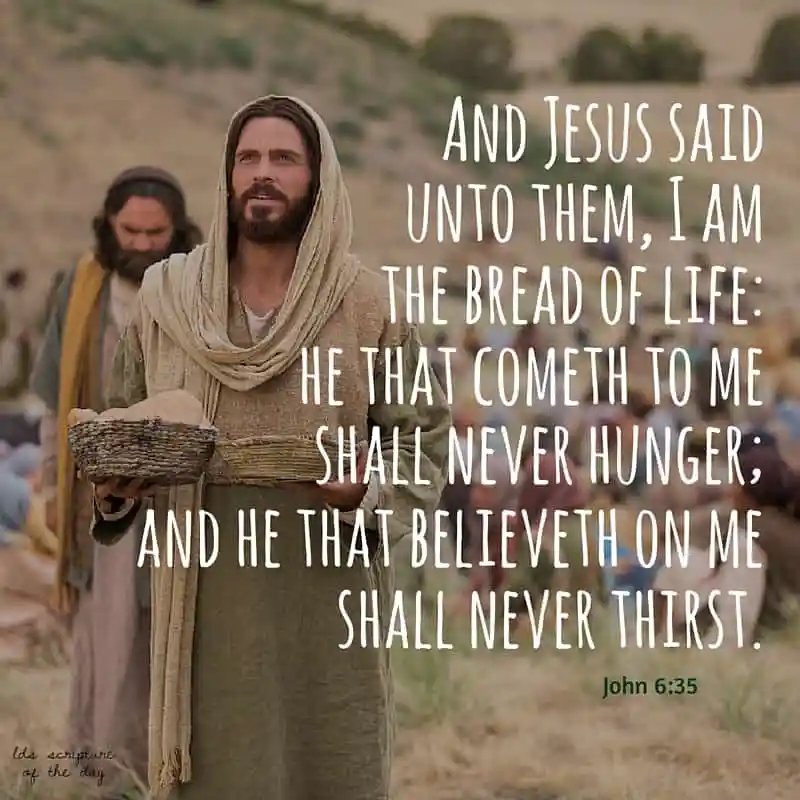
“I am the bread of life: he that cometh to me shall never hunger; and he that believeth on me shall never thirst.” — John 6:35 (KJV)
“Woe be unto the pastors that destroy and scatter the sheep of my pasture! saith the LORD.” — Jeremiah 23:1 (KJV)
____________________________________________
INTRODUCTION
God has called shepherds to care for His people, nourish His flock, and guide His sheep toward a deeper relationship with Him. This calling is sacred because it involves the spiritual well-being of people whom God desires to lead into truth, righteousness, mercy, and eternal life. A true shepherd must therefore understand that ministry is not primarily an opportunity for personal recognition, financial enrichment, or worldly greatness. It is a responsibility to serve God faithfully and to feed His people with the truth of His Word.
The Church needs spiritual nourishment just as the human body needs physical food. Without sound biblical teaching, prayer, discipleship, correction, and the knowledge of Jesus Christ, believers can become spiritually weak and vulnerable to deception. When those entrusted with spiritual leadership neglect their responsibilities, people may continue attending religious gatherings while remaining hungry in their souls. They may hear impressive speeches, witness outward displays of success, and participate in numerous activities without growing in the knowledge of God.
This condition can turn a place intended for spiritual growth into what may be described as a camp of suffering: an environment where people are burdened, misled, exploited, or deprived of the biblical nourishment they need. Such suffering does not arise from every large church, building project, or religious organization. Rather, the concern is with spiritual leadership that abandons the truth, elevates human ambition above service, or uses God's people for selfish purposes.
The Lord desires His flock to receive the Bread of Life, Jesus Christ Himself. He calls shepherds to feed His people faithfully and calls believers to examine what they are receiving, remain rooted in Scripture, and follow Christ rather than human personalities. This lesson is a call to genuine spiritual nourishment, faithful leadership, discernment, and a renewed commitment to the living Word of God.

____________________________________________
GOD’S CALLING TO TRUE SHEPHERDS
The calling of a shepherd begins with God's purpose, not human ambition. A person who accepts responsibility for God's people must recognize that the flock belongs to the Lord. The people are not personal possessions to be controlled, manipulated, or used to establish a leader's reputation. They are souls entrusted to spiritual care, and those who lead them must do so with humility, diligence, and reverence for God.
Jesus gave Peter a direct instruction concerning the care of His people. In John 21:15, He said, “Feed my lambs.” He repeated the instruction to feed His sheep in John 21:16–17. These words reveal the heart of Christian ministry. The Lord was not instructing Peter to build a personal empire or to seek admiration from the world. He was charging him to demonstrate love for Christ by caring for those who belonged to Him.
A true shepherd must therefore feed believers with the Word of God, teach them to obey the Lord, encourage them in times of difficulty, correct them when necessary, and help them mature in faith. The work requires more than public preaching. It involves prayer, patient instruction, personal integrity, pastoral care, and a willingness to serve even when no public recognition follows.
Paul instructed the elders of the church at Ephesus to take heed to themselves and to the flock over which the Holy Ghost had made them overseers. Acts 20:28 warns leaders to take their responsibility seriously because the Church belongs to God, who purchased it with His own blood. This is a solemn reminder that spiritual leadership is a trust for which leaders are accountable to the Lord.
____________________________________________
THE BREAD OF LIFE MUST REMAIN CENTRAL
The greatest need of God's people is not merely outward prosperity, impressive buildings, or public recognition. Their deepest spiritual need is to know Jesus Christ and to be nourished by His truth. Material resources can support ministry, and appropriate facilities can serve important purposes, but these things cannot replace the spiritual nourishment that comes from the Word of God and a living relationship with Christ.
Jesus declared in John 6:35, “I am the bread of life.” He is the source of spiritual life, the One who satisfies the deepest hunger of the soul and gives eternal life to those who believe in Him. Therefore, Christian ministry must continually direct people toward Christ rather than making them dependent upon a preacher's personality, a church's reputation, or a particular institution.
The Bread of Life is not a message designed merely to entertain people or satisfy every human desire. God's Word reveals His character, exposes sin, teaches righteousness, strengthens faith, and calls people to repentance and obedience. It also brings comfort to the brokenhearted, hope to those who suffer, and assurance of God's mercy to those who turn to Him sincerely.
Second Timothy 3:16 declares, “All scripture is given by inspiration of God, and is profitable for doctrine, for reproof, for correction, for instruction in righteousness.” This means that the shepherd's task is not to replace God's truth with personal opinions or popular ideas. The responsibility is to teach Scripture faithfully, helping believers understand its meaning and apply it wisely to their lives.
When the Word of God is neglected, spiritual emptiness can develop even where religious activity appears abundant. People may learn to admire personalities without learning to obey Christ. They may become familiar with religious language without developing godly character. They may pursue blessings while ignoring repentance, holiness, justice, mercy, and faithfulness. Such conditions reveal the need to return to the true Bread of Life.
____________________________________________
WHEN MINISTRY BECOMES A PLATFORM FOR WORLDLY AMBITION
There is a serious danger when spiritual leadership becomes a means of pursuing personal wealth, prestige, influence, or domination. A leader may begin with a genuine calling but gradually allow ambition, pride, competition, and the desire for public admiration to displace the original purpose of service. When this happens, the needs of the flock can become secondary to the leader's personal objectives.
Jesus warned His disciples against pursuing greatness according to the patterns of worldly rulers. In Mark 10:43–45, He taught that whoever desires to become great must become a servant, because even the Son of man came not to be ministered unto, but to minister and to give His life as a ransom for many. Christian greatness is therefore measured by faithful service, not by the size of a leader's possessions or the degree of public attention received.
Church buildings, land, farms, and other assets are not inherently evil. They can provide space for worship, education, community service, and other valuable ministries. The critical question is whether such resources serve God's purposes with transparency and integrity or whether they become instruments of vanity, exploitation, and self-enrichment.
A ministry may expand physically while neglecting the spiritual formation of its members. It may invest heavily in appearances while failing to teach Scripture carefully, care for vulnerable people, or provide accountable leadership. When the pursuit of outward success consumes the attention and resources that should support the flock, believers can be left spiritually impoverished.
First Timothy 6:10 warns that “the love of money is the root of all evil.” The problem is not money itself but the love of money and the evil that can arise when it governs the human heart. Christian leaders must therefore handle resources honestly, disclose their purposes appropriately, and remain accountable to God and the people they serve. Their example should demonstrate that ministry is a stewardship, not an opportunity to exploit those who trust them.
THE FALSE NOURISHMENT THAT LEAVES SOULS HUNGRY
Not everything presented in religious language provides genuine spiritual nourishment. Some teachings may appeal to people's desires while avoiding the truths they need to hear. Others may promise success without repentance, blessings without obedience, or spiritual authority without accountability. Such messages can leave believers poorly equipped to withstand temptation, recognize deception, or remain faithful during hardship.
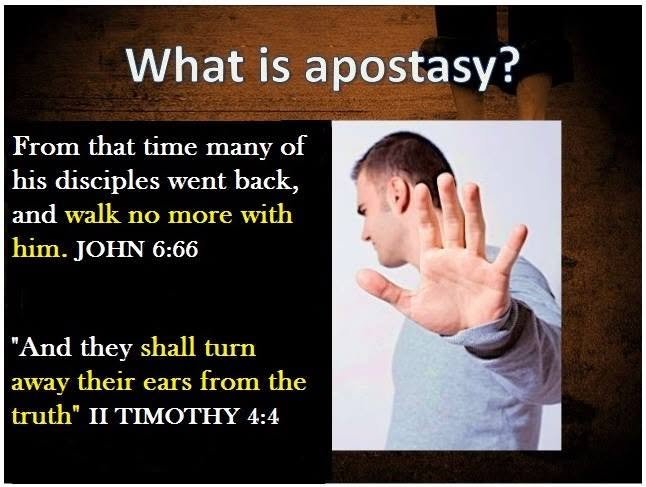
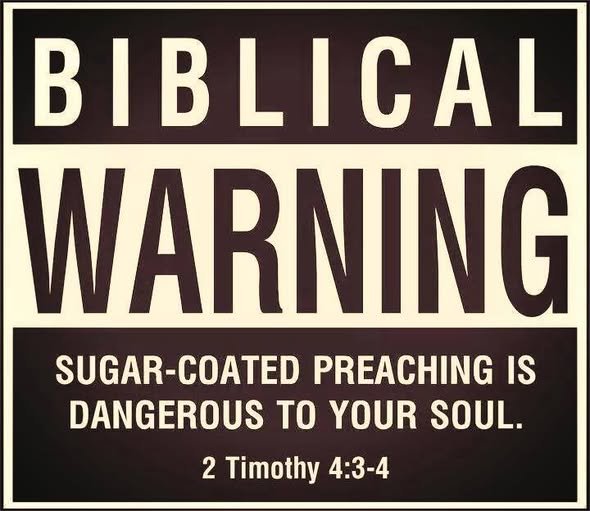
The Scriptures warn against teaching that departs from the truth of Christ. Paul instructed Timothy in 2 Timothy 4:3–4 that a time would come when people would not endure sound doctrine but would seek teachers who suited their own desires. This warning challenges both teachers and listeners. Leaders must resist the temptation to tell people only what they want to hear, while believers must resist the temptation to accept every message that promises immediate comfort or personal advantage.
Spiritual nourishment must be tested by the Word of God. A teaching that encourages pride, dishonesty, greed, hatred, manipulation, or unrepentant wrongdoing must not be accepted merely because it is delivered confidently or accompanied by impressive claims. First John 4:1 instructs believers, “believe not every spirit, but try the spirits whether they are of God.” Discernment is an essential part of Christian maturity.
The image of feeding people with empty or spoiled food helps illustrate the consequences of irresponsible teaching. Just as a person cannot remain physically healthy by consuming food that lacks nourishment, a believer cannot grow in spiritual maturity by relying only on shallow encouragement, sensational claims, or teachings that distort Scripture. The soul needs the truth that reveals Christ and forms godly character.
Nevertheless, believers should exercise discernment without becoming suspicious of every minister or condemning every congregation. Many churches and Christian leaders faithfully serve God and care deeply for their people. The appropriate response is not indiscriminate accusation but careful examination of doctrine, conduct, accountability, and spiritual fruit.
____________________________________________
THE CAMPS OF SUFFERING: WHEN PEOPLE ARE SPIRITUALLY NEGLECTED
The expression camps of suffering describes religious environments in which people remain trapped in spiritual confusion, fear, manipulation, or persistent neglect. Such environments may outwardly appear successful, yet the people within them may lack the teaching and pastoral care necessary for spiritual growth. Instead of being equipped to follow Christ, they may be pressured to satisfy a leader's ambitions or made to feel that questioning misconduct is equivalent to opposing God.
In some cases, people are repeatedly asked to give money while their spiritual and practical needs are ignored. They may be promised extraordinary blessings in exchange for financial contributions, discouraged from examining questionable practices, or taught to depend on a leader rather than on Christ and Scripture. Where these practices occur, they must be addressed with truth, courage, and appropriate accountability.
Jeremiah 23:1 declares, “Woe be unto the pastors that destroy and scatter the sheep of my pasture! saith the LORD.” This warning reveals God's concern for people who suffer under irresponsible leadership. A shepherd who neglects the flock or uses it for selfish purposes acts contrary to the responsibility God has entrusted to spiritual leaders.
However, spiritual suffering can take different forms. Some believers struggle because they have received inadequate teaching; others suffer because of abuse of authority, personal hardship, false expectations, or the ordinary trials of life. Not every experience of pain proves that a church is corrupt, and not every season of spiritual dryness results from pastoral failure. Each situation requires careful, truthful discernment.
Where leaders exploit, threaten, or abuse people, believers should seek appropriate help and accountability. Where teaching is unsound, they should return to Scripture and seek reliable instruction. Where a congregation refuses to correct persistent wrongdoing, it may be necessary to find a healthier Christian community. Faithfulness to Christ does not require a person to remain in an abusive or exploitative environment.
God desires His people to grow in truth and freedom, not to be held captive by fear. The Church should be a place where the Word is taught faithfully, the vulnerable are protected, leaders are accountable, and believers are equipped to serve Christ with maturity.
____________________________________________
THE DANGER OF NEGLECTING SPIRITUAL CLEANSING
The Word of God not only nourishes the believer but also exposes what must be corrected. A healthy ministry does not simply make people feel comfortable; it helps them recognize sin, receive God's correction, and grow in holiness. The purpose of correction is not to humiliate people but to lead them toward repentance, restoration, and a life that honors the Lord.
Jesus said in John 17:17, “Sanctify them through thy truth: thy word is truth.” God's truth cleanses the heart by revealing what is contrary to His will and teaching believers how to walk in obedience. Through Scripture, the Holy Spirit convicts, guides, strengthens, and transforms those who submit themselves to God.
When spiritual leaders avoid difficult biblical truths because they fear losing popularity, people may remain ignorant of areas that require change. If greed is never challenged, it may grow. If pride is constantly celebrated, humility may disappear. If immorality is excused, the congregation may lose its understanding of holiness. If injustice is ignored, the vulnerable may continue to suffer.
True spiritual feeding therefore includes both encouragement and correction. It reminds believers of God's mercy while calling them away from destructive behavior. It offers hope to those who have fallen while teaching them to walk in righteousness. It does not use condemnation to control people, nor does it use grace as an excuse to disregard God's commandments.
Ephesians 5:26 speaks of Christ sanctifying the Church, “with the washing of water by the word.” The Church needs the continual ministry of God's truth so that believers can mature in character, love, obedience, and spiritual understanding. A congregation that receives this nourishment will be better prepared to recognize deception and serve God faithfully.
____________________________________________
THE RESPONSIBILITY OF BELIEVERS TO SEEK SOUND TEACHING
Although pastors carry serious responsibilities, believers are not called to follow blindly. Every Christian has a responsibility to seek God, study His Word, pray for understanding, and examine the teachings they receive. Spiritual maturity includes the willingness to test what is taught against Scripture and to reject what contradicts the gospel.
The Bereans provide an important example in Acts 17:11. They received the Word with readiness of mind and searched the Scriptures daily to determine whether the things they heard were true. Their example demonstrates that careful examination of teaching is not rebellion against God. When conducted with humility and sincerity, it is part of responsible faith.
Believers should ask whether a ministry directs people toward Jesus Christ, teaches the Scriptures faithfully, demonstrates integrity, cares for vulnerable people, and welcomes appropriate accountability. They should also consider whether its leadership produces humility, holiness, love, and service or encourages fear, greed, pride, and unquestioning dependence upon human personalities.
This discernment must be exercised with humility. No pastor or congregation is perfect, and differences in interpretation do not automatically prove that a ministry is false. Believers should seek understanding, listen carefully, examine the biblical context, and avoid spreading unverified accusations. Where serious misconduct is evident, however, truth and the protection of those affected must take priority over protecting a leader's reputation.
The purpose of discernment is not to make Christians critical of everyone but to help them remain faithful to Christ. A spiritually mature believer does not merely ask whether a message is attractive or whether a preacher is popular. The believer asks whether the teaching is faithful to God's Word and whether it helps people follow Jesus in truth.
GOD WILL CONTINUE TO RAISE FAITHFUL SERVANTS
Even when spiritual neglect and deception are present, God's purposes are not defeated. He continues to work through people who sincerely seek Him, submit to His Word, and serve others with humility. Faithful ministers may not always receive the greatest public recognition, but their service can have lasting spiritual value because they prioritize the glory of God and the well-being of His people.
Godly shepherds teach the truth without deliberately manipulating their listeners. They understand that people need Christ more than they need the preacher's approval. They seek to equip believers rather than make them dependent on their personal influence. They recognize that spiritual authority must be exercised in accordance with Scripture, integrity, and love.
Paul described his ministry in 2 Corinthians 4:5 by saying, “For we preach not ourselves, but Christ Jesus the Lord; and ourselves your servants for Jesus' sake.” This is a clear principle for every Christian ministry. The message must center on Christ, and those who proclaim it must remember that they are servants under His authority.
Faithful shepherds also understand that spiritual nourishment requires patience. People do not mature overnight. They need consistent teaching, prayer, encouragement, correction, and opportunities to apply God's Word in daily life. A genuine ministry seeks lasting transformation rather than merely impressive attendance figures or public appearances.
Believers should pray for such leaders, support their faithful work, and participate in building communities where truth, compassion, holiness, and accountability are evident. The need is not simply for more religious institutions, but for ministries that faithfully fulfill their calling to make disciples of Jesus Christ.
____________________________________________
DO NOT CONFUSE WORLDLY SUCCESS WITH SPIRITUAL MATURITY
One of the dangers of spiritual deception is the belief that outward prosperity automatically proves God's approval. A ministry may possess valuable buildings, substantial resources, or a large following, but these things alone cannot establish the spiritual health of its leadership or members. Likewise, a small congregation with limited resources may faithfully teach the Word and care for people.
Jesus warned in Matthew 6:19–21 against laying up treasures on earth as the ultimate priority, directing His followers toward heavenly treasure and the condition of the heart. His teaching does not prohibit responsible planning or the use of material resources. Rather, it warns against allowing earthly possessions to become the foundation of one's security and devotion.
The measure of a ministry must include faithfulness to Scripture, integrity in leadership, love for God and neighbor, protection of the vulnerable, and the formation of disciples who obey Christ. Resources should serve these purposes rather than replace them. Recognition should never become more important than righteousness, and growth should never be pursued at the expense of truth.
A believer who seeks God must therefore resist the assumption that spiritual strength depends on worldly possessions. The Lord can provide through many means, and material resources may be useful in accomplishing good work. Yet the presence or absence of wealth does not, by itself, determine a person's standing before God.
True spiritual strength is rooted in Christ. It grows through faith, obedience, prayer, knowledge of Scripture, fellowship with faithful believers, and dependence upon the Holy Spirit. When these foundations are neglected, outward success can conceal inward weakness. When they are cultivated, believers can remain faithful even when their circumstances are difficult.
RETURN TO JESUS CHRIST, THE SOURCE OF LIFE
The answer to spiritual hunger is not merely to criticize unfaithful leaders. The deeper answer is to return to Jesus Christ, the true Bread of Life, and to build our lives upon His Word. Every believer needs a living relationship with the Lord, a willingness to repent, and a commitment to follow Him in truth.
Jesus invited the weary and burdened to come to Him in Matthew 11:28, saying, “Come unto me, all ye that labour and are heavy laden, and I will give you rest.” His invitation reveals His compassion for those who suffer. He does not call people to spiritual bondage but to a life of trust in Him.
Returning to Christ involves more than changing religious environments. It means surrendering our hearts to Him, allowing His Word to correct our thinking, and putting His teachings into practice. It means seeking holiness rather than hypocrisy, humility rather than pride, truth rather than deception, and service rather than selfish ambition.
Those who have been wounded by religious misconduct should not conclude that Jesus Christ has abandoned them. The failures of human leaders do not cancel the faithfulness of the Lord. Such people may need time, support, wise counsel, and a safer Christian community in which to heal and grow. They should be encouraged to seek God without being pressured to conceal wrongdoing or return to unsafe situations.
The Lord remains the source of hope, truth, mercy, and eternal life. His Word can guide those who have been confused, strengthen those who have grown weary, and lead those who have wandered back to a faithful walk with Him. The Church must continually point people to Christ, because He alone is the foundation upon which genuine spiritual life is built.
____________________________________________
SUMMARY
God has called shepherds to feed His flock with the truth of His Word and to care for His people with humility and integrity. Christian ministry is a sacred responsibility, not a platform for selfish ambition, manipulation, or the pursuit of worldly recognition. Buildings and resources can support God's work, but they cannot replace the Bread of Life, Jesus Christ.
When leaders neglect sound teaching or exploit those entrusted to their care, believers may experience spiritual confusion, weakness, and suffering. Scripture warns against such conduct and calls both leaders and congregations to truth, accountability, discernment, and repentance. Believers must examine what they hear, remain grounded in the Word, and seek healthy fellowship that encourages spiritual growth.
God continues to work through faithful servants who place Christ at the center of their ministry. His people must resist the idea that worldly prosperity is the ultimate measure of spiritual maturity. Their true nourishment comes from Jesus Christ, whose Word brings correction, cleansing, strength, hope, and eternal life.
__________________________________
CONCLUSION
The Lord desires His people to be fed with the Bread of Life, strengthened by His truth, and guided in the paths of righteousness. Those who shepherd His flock must take this responsibility seriously, remembering that the people belong to God and that leadership requires faithful service and accountability.
Where religious environments become places of exploitation, spiritual neglect, or persistent deception, believers must seek truth and pursue appropriate correction. They should not be deceived by outward appearances or accept every teaching without examination. Neither should they condemn all churches or assume that every difficult experience proves spiritual corruption. They must judge matters carefully according to Scripture and act with wisdom.
The call of this lesson is clear: return to Christ, receive the nourishment of His Word, and remain faithful to the truth. Do not allow the failures of people to turn your heart away from the Lord. Seek a deeper knowledge of Jesus, cultivate spiritual maturity, and support ministries that faithfully serve God's people.
CALL TO ACTION
Examine your spiritual life and consider the kind of nourishment you are receiving. Are you growing in the knowledge of Jesus Christ, in obedience to Scripture, in humility, and in love for others? Are the teachings you receive helping you follow the Lord faithfully, or are they encouraging dependence on personalities, fear, greed, or worldly ambition?
Commit yourself to studying the Word of God, praying for discernment, and seeking fellowship that encourages truth and spiritual maturity. If you serve as a pastor, teacher, or ministry leader, renew your commitment to feed God's flock faithfully. Do not use people to build your reputation. Teach the truth, care for the vulnerable, handle resources with integrity, and direct every person toward Jesus Christ.
If you have suffered through spiritual manipulation or neglect, seek wise support and a safe environment in which to heal. Do not surrender your faith because someone has misused a position of spiritual authority. Let the truth of Christ guide your next steps.
FINAL WORD OF ENCOURAGEMENT
God has not forgotten His people. Jesus Christ remains the Bread of Life, and His truth remains sufficient to guide those who sincerely seek Him. Human beings may fail in their responsibilities, but the Lord is faithful and His Word endures.
Do not measure your spiritual life by the size of a building, the wealth of a ministry, or the popularity of a preacher. Seek the presence of God, the knowledge of His Word, and the fruit of a life transformed by Christ. Pray for faithful shepherds, encourage those who serve with integrity, and remain committed to the truth.
May the Lord strengthen His people, restore those who have been wounded, correct those who have departed from His ways, and raise leaders who feed His flock with wisdom, humility, and love. May believers everywhere grow in the knowledge of Jesus Christ and become faithful witnesses of His truth.
SALVATION PRAYER
Heavenly Father, I come before You in the name of Jesus Christ. I acknowledge that I need Your truth, Your mercy, and Your saving grace. Forgive my sins and cleanse my heart. Deliver me from deception, pride, and every path that leads me away from Your will.
Lord Jesus, I believe that You are the Bread of Life and the Savior of the world. I ask You to lead me into truth, strengthen my faith, and teach me to follow Your Word. Help me recognize what is false and remain faithful to what is right. Heal the wounds I have experienced, give me wisdom to make godly decisions, and lead me into fellowship that encourages spiritual growth.
Holy Spirit, guide me in righteousness and help me grow in humility, obedience, love, and discernment. Strengthen faithful shepherds who serve Your people with integrity. Correct those who misuse their responsibilities, protect those who are vulnerable, and help Your Church remain grounded in the truth of Jesus Christ.
I surrender my life to You, Lord. Lead me in Your ways, nourish my soul with Your Word, and help me live for Your glory. In the mighty name of Jesus Christ, I pray. Amen.































Leave a Comment