

KEY SCRIPTURES
“But seek ye first the kingdom of God, and his righteousness; and all these things shall be added unto you.” — Matthew 6:33 (KJV)
“And he said to them all, If any man will come after me, let him deny himself, and take up his cross daily, and follow me.” — Luke 9:23 (KJV)
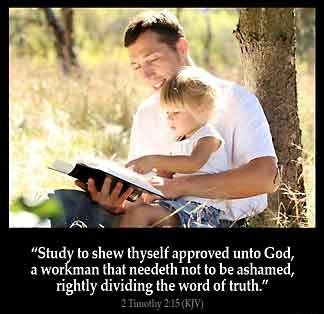
“Study to shew thyself approved unto God, a workman that needeth not to be ashamed, rightly dividing the word of truth.” — 2 Timothy 2:15 (KJV)
INTRODUCTION
Belonging to God is more than making a religious confession. It means acknowledging His authority, submitting to His Word, and allowing Him to direct our lives. Those who belong to Christ are called to live as citizens of His Kingdom, placing His will above selfish ambition and worldly desires.
However, surrendering to God is not always easy. Human beings naturally desire comfort, recognition, independence, and control over their decisions. When these desires become more important than obedience to God, they can weaken faith and prevent spiritual growth.
God calls His people to surrender their lives to Him, resist the temptation to make worldly pleasures their highest priority, and grow into mature believers who accept responsibility. The Christian life requires faith, sacrifice, discipline, and perseverance. It is not a call to pursue suffering for its own sake, but to remain faithful to God even when obedience involves hardship.
This lesson examines the meaning of living under God's Kingdom, the danger of allowing comfort to replace obedience, and the responsibility of growing into spiritual maturity.

__________________________
LIVING UNDER THE AUTHORITY OF GOD'S KINGDOM
When a person declares that they belong to God, that confession should be reflected in their daily conduct. The believer acknowledges Jesus Christ as Lord and seeks to align personal decisions, ambitions, relationships, and responsibilities with His teachings.
“And why call ye me, Lord, Lord, and do not the things which I say?” — Luke 6:46 (KJV)
God does not call His people merely to speak about Him; He calls them to obey Him. Genuine surrender means allowing His Word to correct our attitudes, challenge our selfishness, and guide our choices. It means recognising that our lives are entrusted to us by God and should be used in ways that honour Him.
This surrender does not mean that human dignity, personal responsibility, or wise decision-making disappears. Rather, believers learn to exercise their freedom responsibly under God's authority. They become more accountable for how they use their time, abilities, possessions, and opportunities.
Many people want the blessings of God's Kingdom without accepting the responsibilities of discipleship. They want comfort without sacrifice, advancement without discipline, and recognition without service. Yet Jesus calls His followers to seek God's will above their own selfish interests.
“For ye are bought with a price: therefore glorify God in your body, and in your spirit, which are God's.” — 1 Corinthians 6:20 (KJV)
A surrendered life is therefore a life of faithful stewardship. Whatever God has entrusted to us should be used with gratitude, integrity, and a willingness to serve others.
THE DANGER OF MAKING WORLDLY COMFORT OUR PRIORITY
Comfort, possessions, and enjoyment are not inherently sinful. God provides good things that people may receive with gratitude. The danger arises when these things become more important than obedience, love, holiness, and service to God.
Jesus warned that worldly concerns can gradually occupy the heart until God's Word becomes unfruitful in a person's life.
“And the cares of this world, and the deceitfulness of riches, and the lusts of other things entering in, choke the word, and it becometh unfruitful.” — Mark 4:19 (KJV)
Some people abandon their convictions because they fear losing wealth, relationships, status, or opportunities. Others become so absorbed in pursuing success that prayer, fellowship, service, and spiritual growth are neglected. In such situations, the problem is not necessarily the possession itself but the place it occupies in the heart.
Believers must examine their priorities honestly. Are they seeking God's will, or are they allowing fear and personal ambition to control their decisions? Are they using their resources to serve God's purposes, or have those resources become the centre of their lives?
“For where your treasure is, there will your heart be also.” — Matthew 6:21 (KJV)
Following Christ may require sacrifice, patience, generosity, and the willingness to stand for truth when doing so is unpopular. However, Christians should not deliberately seek hardship or assume that every form of suffering is proof of spiritual faithfulness. They should seek obedience to God, practise wisdom, and receive legitimate rest and help when needed.
The central question is whether our choices honour God or merely satisfy our selfish desires.
SURRENDERING OUR WILL TO GOD
Spiritual surrender requires humility. It means accepting that our understanding is limited and that God's wisdom must guide our lives. Believers are called to surrender sinful desires, pride, bitterness, selfish ambition, and every attitude that contradicts the character of Christ.
“Not my will, but thine, be done.” — Luke 22:42 (KJV)
Jesus demonstrated perfect submission to the Father. His prayer in Gethsemane reveals the seriousness of obedience, especially when the path ahead involves suffering. His followers must also learn to trust God when His direction challenges their preferences.
Surrender does not mean refusing to think, plan, or seek advice. Instead, it means bringing our plans before God, examining them through Scripture, seeking wise counsel, and remaining willing to change direction when necessary. A mature believer does not insist that God must approve every personal desire.
When we surrender our will, we become better prepared to serve faithfully. We stop treating every disappointment as a reason to abandon our responsibilities. We learn to persevere, accept correction, and trust God through uncertainty.
“Commit thy way unto the LORD; trust also in him; and he shall bring it to pass.” — Psalm 37:5 (KJV)
The purpose of surrender is not to destroy our God-given abilities or dignity. It is to bring our lives into alignment with God's purposes so that our gifts, ambitions, and actions can serve what is good and righteous.

___________________________________
GROWING FROM SPIRITUAL CHILDHOOD INTO MATURITY
God desires His people to grow in understanding, character, and responsibility. Spiritual maturity is not measured merely by how long someone has attended church, how loudly they pray, or how much Scripture they can quote. It is demonstrated through obedience, humility, discernment, self-control, and consistent Christian conduct.
“That we henceforth be no more children, tossed to and fro, and carried about with every wind of doctrine.” — Ephesians 4:14 (KJV)
Immaturity appears when people continually demand their own way, refuse correction, blame others for every failure, or expect others to carry responsibilities they should accept themselves. Such attitudes hinder personal growth and weaken the community of faith.
Mature believers recognise that following Christ requires discipline. They learn to manage their emotions, fulfil their commitments, admit their mistakes, and treat others with respect. They understand that spiritual growth involves both receiving instruction and putting that instruction into practice.
“When I was a child, I spake as a child, I understood as a child, I thought as a child: but when I became a man, I put away childish things.” — 1 Corinthians 13:11 (KJV)
Growing in Christ does not mean becoming incapable of experiencing weakness, grief, or the need for support. It means learning to respond to life's challenges with increasing faith, wisdom, and responsibility. Even mature believers continue learning and remain dependent on God's grace.
The Church should therefore encourage believers to grow rather than keep them dependent on constant attention or approval. Pastors and spiritual leaders must teach sound doctrine, provide correction with love, and equip people to serve faithfully.
“For the perfecting of the saints, for the work of the ministry, for the edifying of the body of Christ.” — Ephesians 4:12 (KJV)
ACCEPTING RESPONSIBILITY IN THE SERVICE OF GOD
God calls His people to use their gifts and opportunities faithfully. Every believer has a responsibility to serve according to their abilities, circumstances, and calling. No one should assume that Christian life consists only of receiving blessings while avoiding service.
“As every man hath received the gift, even so minister the same one to another, as good stewards of the manifold grace of God.” — 1 Peter 4:10 (KJV)
Responsibility begins with faithfulness in ordinary matters. It includes caring for one's family, keeping promises, working honestly, serving the church, helping those in need, and using available resources wisely. These responsibilities are not separate from spiritual life; they can become expressions of worship when carried out with integrity.
Some believers avoid responsibility because they fear failure. Others blame their circumstances or other people instead of examining what they can change. Yet maturity requires the courage to acknowledge reality, seek God's guidance, and take appropriate action.
This does not mean that every difficulty is caused by personal failure. People may face injustice, illness, poverty, or circumstances beyond their control. Such situations require compassion, practical assistance, and wise support rather than condemnation. Nevertheless, believers can seek God's strength to respond faithfully within the circumstances they face.
“Whatsoever ye do, do it heartily, as to the Lord, and not unto men.” — Colossians 3:23 (KJV)
A responsible Christian does not work merely to gain recognition. They serve because they desire to honour God. They do not use their position to control others, but to strengthen and equip them. True leadership produces greater faithfulness, maturity, and service in those entrusted to its care.
HUMILITY IS THE FOUNDATION OF SPIRITUAL GROWTH
Pride makes people defensive when corrected and quick to expose the weaknesses of others while ignoring their own. Humility enables believers to examine themselves honestly and receive instruction without becoming resentful.
“God resisteth the proud, but giveth grace unto the humble.” — James 4:6 (KJV)
A humble believer does not claim to know everything. They remain teachable, test their understanding against Scripture, and recognise the value of wise counsel. They are willing to apologise when wrong and make necessary changes rather than protecting their reputation at the expense of truth.
Humility also shapes how Christians treat one another. Those who lead should not manipulate people through fear, shame, or unreasonable demands. They should demonstrate Christlike character and guide others toward maturity.
“With all lowliness and meekness, with longsuffering, forbearing one another in love.” — Ephesians 4:2 (KJV)
God is pleased when His people willingly grow in character and accept the responsibilities entrusted to them. Spiritual maturity brings freedom from the constant demand to have one's own way. It teaches believers to put love into action, serve without seeking applause, and remain faithful when their work is unnoticed.
Do not settle for a life governed by pride, selfishness, and spiritual laziness. Continue growing in the knowledge of God, practising His Word, and developing the character of Jesus Christ.

_______________________________
SUMMARY
Living under God's Kingdom means recognising Jesus Christ as Lord and allowing His Word to guide our conduct. Worldly comfort becomes dangerous when it takes priority over obedience, righteousness, and service. Believers must surrender sinful desires, grow in humility, and accept responsibility for the lives and opportunities entrusted to them.
Spiritual maturity is demonstrated through faithful action, teachability, self-control, compassion, and perseverance. The Church must equip believers to become responsible servants rather than encourage dependence or spiritual stagnation.
CONCLUSION
God calls His people to live under His authority, not merely to profess allegiance to Him. He desires hearts that are willing to obey, lives that reflect Christ, and believers who are prepared to serve faithfully.
Do not allow the pursuit of comfort, wealth, recognition, or personal preference to displace your devotion to God. Accept correction, carry out your responsibilities, and continue growing in spiritual maturity. Surrender your plans to the Lord and allow His truth to shape your decisions.
The Christian life is not about proving that we are strong enough to live independently of God. It is about depending on His grace while faithfully doing what He has called us to do.
CALL TO ACTION
Examine your priorities and identify anything that has taken God's rightful place in your life. Surrender selfish ambitions, reject sinful desires, and renew your commitment to Christ. Accept your responsibilities at home, in the Church, and in society. Seek wisdom through prayer and Scripture, receive correction with humility, and serve others faithfully.
Do not remain spiritually stagnant. Take deliberate steps toward maturity, remembering that genuine faith must be reflected in the way you live.
FINAL WORD OF ENCOURAGEMENT
God has called you to grow, serve, and walk faithfully with Him. Do not be discouraged by the work of spiritual maturity; allow His grace to strengthen you each day. You may still have weaknesses to overcome and lessons to learn, but you can continue moving forward through Christ.
“Being confident of this very thing, that he which hath begun a good work in you will perform it until the day of Jesus Christ.” — Philippians 1:6 (KJV)
Remain humble, surrender your will to God, and fulfil your responsibilities with faithfulness. Let your life demonstrate that you belong to the Kingdom of God.
SALVATION PRAYER
Heavenly Father, I come before You in the name of Jesus Christ. I acknowledge my sins and ask for Your forgiveness. I repent of every way I have placed my desires above Your will and neglected the responsibilities You have entrusted to me. I believe that Jesus Christ died for my sins and rose again. I receive Him as my Lord and Saviour.
Lord Jesus, take first place in my life. Teach me to surrender my selfish ambitions, resist temptation, and walk in obedience to Your Word. Give me wisdom, humility, discipline, and courage to accept my responsibilities. Help me grow into spiritual maturity and use my gifts to serve others faithfully. Strengthen me by Your Holy Spirit so that my life may bring glory to Your name. In Jesus Christ's mighty name, I pray. Amen.






























Leave a Comment